

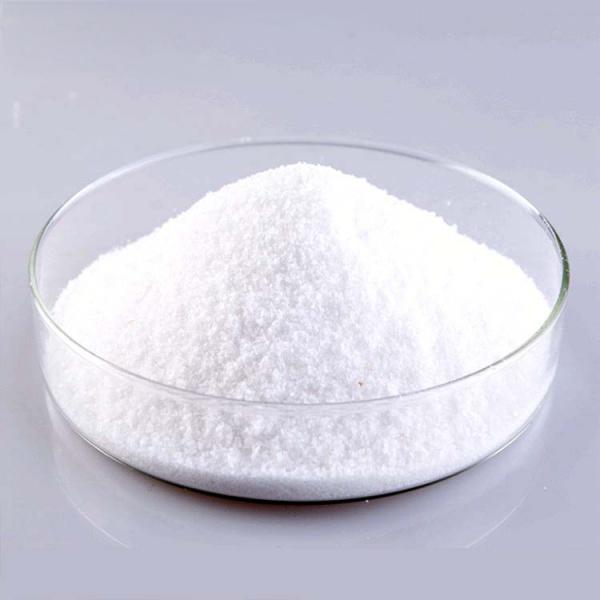
Sodium Formate, the sodium salt of formic acid, has become an important chemical helper in the world of industry. It stands out for its strong ability to dissolve in water, its tendency to pull in moisture, and its kind impact on the environment. This substance helps many fields, from oil and gas work to cloth-making and green safety efforts. As businesses around the globe move toward eco-friendly ways of handling chemicals, it is key for buyers and tech experts to grasp the details of Sodium Formate purity levels. They also need to know how these levels fit into real uses.
Understanding Sodium Formate Purity Grades
The wide range of sodium formate uses comes from its level of purity. Various factory tasks need certain chemical traits. These traits help make sure things run smoothly and stay safe.
Industrial Grade (95% – 98%)
This type is the usual choice for big factory jobs. It often has a strength of 98% or more. It acts as the main tool for large-scale tasks. In these cases, small amounts of unwanted bits do not harm the end product. People use it a lot in factory processes to make formic acid and oxalic acid.
Oilfield Grade
Experts make this version just for the oil business. It puts a focus on good weight and little harm from rust. Workers often turn it into thick saltwater mixes for drilling and finishing jobs.
Feed and Pharmaceutical Grades
In farming and health fields, Sodium Formate must follow tough safety rules.
- Feed Grade: People add it to animal food as a green helper for cows and similar animals. It boosts their eating and well-being.
- Pharmaceutical Grade: It works as a special helper in medicines. This needs very clean standards for health uses and pill making.
Key Industrial Applications of Sodium Formate
The basic traits of Sodium Formate make it vital in many areas. It acts as a helper that cuts down on other things. It also keeps the acid level steady.
Chemical Synthesis and Environmental Protection
Sodium formate application forms a basic part of the chemical world. Sodium formate also serves as a main aid for nature safety.
- Industrial Synthesis: It plays a big role in making formic acid, oxalic acid, formamide, and sodium hydrosulfite.
- Water Treatment: Workers use it to clean dirty water with heavy metals. For example, it handles waste from metal coating jobs through good cutting-down steps.
- Emission Control: It works as a cutter for gas cleaning from smoke. This helps plants follow new green rules.
Textile and Printing & Dyeing
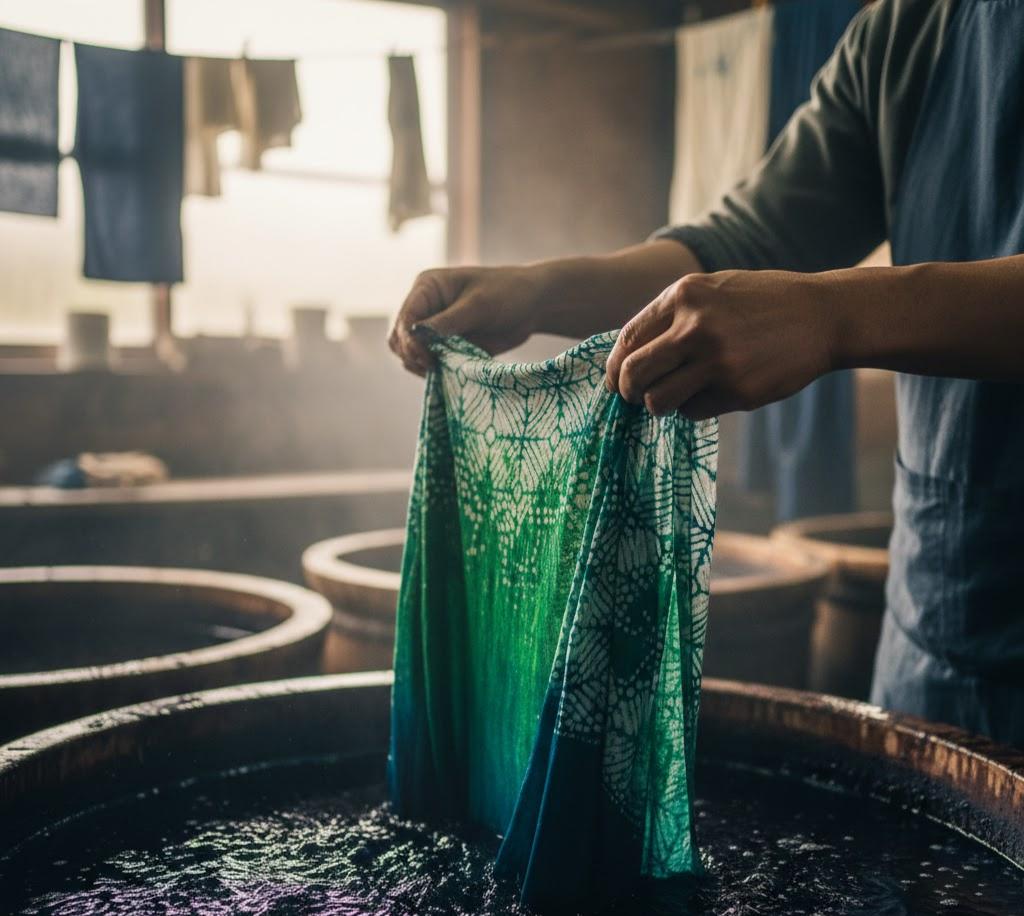
In the cloth business, keeping the right acid level matters a lot. It helps dyes stay even and the cloth lasts longer.
- Dye Stabilization: It changes the acid level in dye mixes to hold dyes steady. This boosts color strength on many cloth types.
- Fabric Treatment: People apply it in steps to fight wrinkles and shrinkage on fine cloth.
Infrastructure and De-icing
Sodium Formate offers a green swap for old salts. It works well as a melt for ice. Its lack of rust harm makes it great for key spots like airport paths. There, usual salt with chloride might hurt planes or solid bases.
Global Supply Chain: Logistics and Quality Standards
In the international trade of Sodium Formate, the efficiency of the supply chain is as critical as the purity of the chemical itself. Because Sodium Formate is hygroscopic (moisture-absorbing), maintaining a seamless logistical flow is essential to preserving product integrity from the factory to the end-user.
Strategic Logistics and Infrastructure
The distribution of high-grade chemicals often relies on advanced maritime hubs and integrated trade zones. Key factors that define a robust supply chain include:
- Storage and Capacity: Utilizing large-scale, specialized chemical warehousing ensures stable inventory levels and protects materials from environmental degradation.
- Shipping Connectivity: Access to major international ports with extensive route networks allows for reduced transit times, typically ranging between 7 and 15 days, depending on the destination.
- Operational Efficiency: Modernized customs procedures in pilot free-trade zones can complete clearances within 72 hours, minimizing the time goods spend in humid port environments and preventing clumping issues.
Compliance and Quality Assurance
Transporting Sodium Formate across borders requires strict adherence to international safety and environmental regulations:
- Regulatory Frameworks: Suppliers must align with global standards such as EU REACH, US FDA, and SGS certifications to ensure market access and consumer safety.
- Safety Protocols: Maintaining a rigorous safety record in handling corrosive or reactive chemicals is the industry benchmark. This involves standardized operating procedures (SOPs) for the loading and unloading of hazardous materials.
- Environmental Stability: Professional exporters use standardized moisture-proof packaging and temperature-controlled logistics to ensure the product remains in a stable, crystalline state throughout the voyage.
Strategic Market Evolution (2025–2028)
The global sodium formate market is shifting toward more sustainable and high-volume supply models:
- Scale and Demand: To meet the growing needs of Southeast Asian manufacturing and South American mining, leading supply chains are scaling to handle annual volumes exceeding 30,000 metric tons.
- Sustainable Trade: In alignment with global decarbonization goals, the industry is moving toward “Green Logistics.” This includes tracking carbon footprints and increasing the trade of biodegradable chemicals.
- Emerging Markets: Strategic focus is expanding toward infrastructure projects in Africa and the burgeoning industrial sectors in developing economies, requiring more flexible and resilient supply networks.
BOINTE ENERGY takes advantage of smart spots at big centers like Tianjin Port. We handle the special shipping needs for these strong materials.
FAQ: Sodium Formate Grades and Industrial Solutions
Q1: Why is Sodium Formate preferred over traditional road salt (Sodium Chloride) for airport runway de-icing?
A: Traditional road salt is highly corrosive and can severely damage aircraft metal components and reinforced concrete structures. Sodium Formate is preferred because it is non-corrosive to aircraft materials and infrastructure. Additionally, it is an environmentally friendly choice as it is highly biodegradable and has a minimal impact on surrounding soil and water systems.
Q2: What are the primary differences between Industrial Grade 98% and Feed Grade Sodium Formate?
A: Industrial Grade (98% min): Focuses on chemical reactivity and purity for processes like formic acid production, leather tanning, and textile treatment.
Feed Grade: While it also requires high purity, it is specifically regulated to ensure it is safe for livestock. It is used as a non-antibiotic acidifier and growth promoter for ruminants, with strict limits on heavy metals like lead and arsenic to comply with global agricultural safety standards.
Q3: What role does Sodium Formate play in oil and gas drilling operations?
A: In the petroleum industry, Sodium Formate is used to create high-density, low-viscosity brines for drilling and completion fluids. These brines help stabilize the wellbore and prevent shale swelling. Because it is compatible with formation fluids, it reduces damage to the reservoir, ultimately helping to optimize oil and gas recovery rates.
Q4: How does Sodium Formate improve quality in the textile and dyeing industry?
A: Sodium Formate acts as a pH regulator and a reducing agent in dye baths. It stabilizes the pH value to ensure consistent dye uptake and improve color fastness. Furthermore, it is used in specialized fabric treatments to provide wrinkle-resistant and shrink-proof properties to high-quality textiles.
Q5: How can importers ensure the quality and stability of Sodium Formate during long-distance maritime transport?
A: Sodium Formate is hygroscopic, meaning it easily absorbs moisture and can clump. To maintain quality, BOINTE ENERGY implements a “standardized packaging + temperature-controlled transportation + normalized documentation” protocol. By leveraging rapid customs clearance at major hubs like Tianjin Port, the time goods are exposed to humid environments is minimized, ensuring the product arrives in a stable, crystalline state.
