Introduction: Why Sodium Formate Matters in Modern Construction
The global construction industry is currently navigating a period of rapid evolution, driven by the dual pressures of accelerated project timelines and stringent environmental mandates. As urbanization intensifies, the demand for high-performance concrete that can cure faster—even in adverse weather conditions—has never been higher. Chemical additives have transitioned from optional enhancements to essential components in modern cement formulations.
Among these, sodium formate (HCOONa) has emerged as a critical functional additive. Unlike traditional accelerators that may compromise long-term structural integrity through corrosion, sodium formate offers a balanced profile of efficiency and material compatibility. Its growing adoption is a direct response to the industry’s need for cost-effective, low-carbon, and high-productivity solutions.
What Is Sodium Formate?
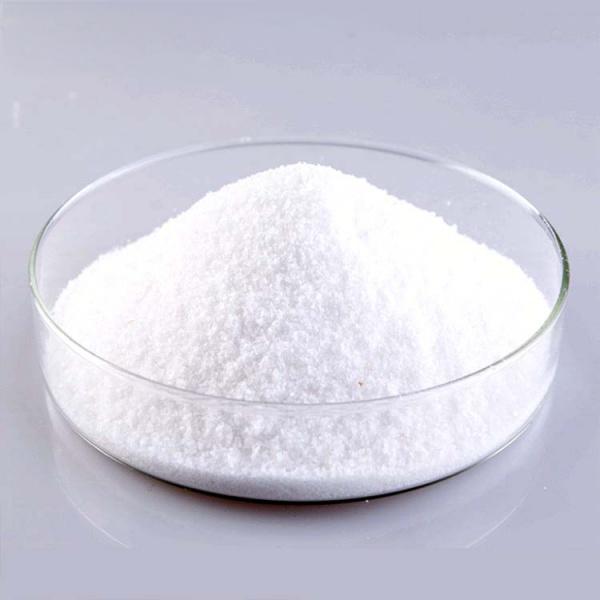
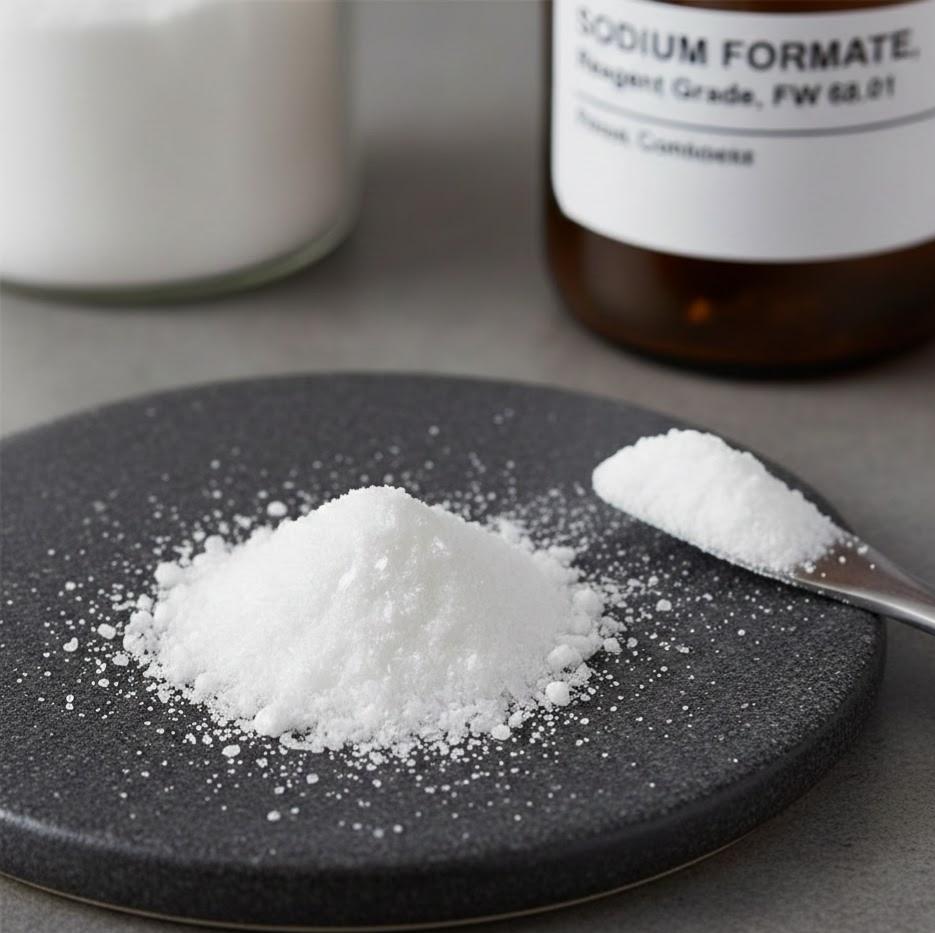
Sodium formate is the sodium salt of formic acid, identified by CAS No. 141-53-7. Physically, it typically appears as a white crystalline powder or granular substance with slight hygroscopicity. In industrial applications, it is most commonly traded in a 98% purity grade (Sodium formate 98%) to ensure consistent chemical reactivity.
Beyond construction, it serves as a versatile chemical intermediate. It is fundamental in the production of formic acid and oxalic acid, and acts as a reducing agent in the synthesis of sodium hydrosulfite. Its high sodium formate solubility in water—approximately 97 g/100 mL at 20°C—makes it exceptionally easy to integrate into liquid admixtures or dry-mix mortars.

Role of Sodium Formate in Construction Materials
Sodium Formate as a Concrete Accelerator
The primary sodium formate use in construction is as a non-chloride hardening accelerator. It functions by accelerating the chemical reaction between water and cement, specifically targeting the early stages of the hydration process.
- Early Strength Development:Sodium formate promotes the rapid formation of calcium silicate hydrate (C-S-H) gels, which are responsible for the strength of the concrete matrix.
- Cold-Weather Performance:At temperatures below 5°C, cement hydration slows significantly. Sodium formate acts as an “antifreeze” accelerator, lowering the freezing point of the pore water and ensuring that strength development continues in sub-zero conditions.
Function as a Cement and Concrete Additive
As a cement and concrete additive, sodium formate influences the hydration kinetics of tricalcium silicate. It shortens the induction period of the cement paste, leading to a faster transition from a plastic state to a hardened state. This is particularly useful in precast concrete components, where forms need to be stripped and reused within 24 hours to maintain production efficiency.
| Feature | Impact on Concrete |
| Hydration Kinetics | Shortens setting time without increasing water demand. |
| Compatibility | Works effectively with Type I-V Portland cements and blended cements. |
| Workability | Maintains flowability (slump) while accelerating the hardening phase. |
Key Benefits of Using Sodium Formate in Concrete Applications
Faster Setting and Early Strength Gain
The most immediate benefit of sodium formate is the reduction of construction cycles. By achieving higher early strength (e.g., reaching 70% of design strength in 3 days instead of 7), contractors can:
- Remove formwork earlier.
- Accelerate the application of subsequent loads or finishes.
- Reduce the need for external heating in winter periods.
Chloride-Free and Corrosion-Reduced Risk
Traditional accelerators often relied on calcium chloride. However, chlorides are notorious for promoting the corrosion of steel reinforcement (rebar). Sodium formate is chloride-free, making it the preferred choice for reinforced concrete structures, such as bridges and high-rise foundations, where long-term durability is non-negotiable.
Performance Stability Across Climates
Whether used in the arid Middle East or the freezing regions of Northern Europe, sodium formate provides reliable behavior. Its sodium formate solubility ensures uniform distribution within the mix, preventing “hot spots” of over-acceleration that can lead to thermal cracking.

ESG & Sustainability Advantages
As the industry moves toward “Green Building” standards, the chemical profile of additives is under scrutiny. Sodium formate aligns with sustainable construction strategies:
Biodegradability: It is an environmentally friendly organic salt that breaks down more easily than inorganic heavy-metal-based additives.
Reduced Energy Consumption: By allowing concrete to cure naturally in cold weather, it reduces the carbon footprint associated with steam curing or fossil-fuel-powered space heaters on-site.
Waste Treatment Synergy: Interestingly, sodium formate is also used in treating heavy metal-containing wastewater, reflecting its compatibility with environmental protection protocols.
Typical Construction Use Cases
Infrastructure Projects: Roads and bridges often require rapid repair and reopening to traffic. Sodium formate allows for high-early-strength repair mortars.
Precast Concrete: In factory settings, the speed of turnover determines profitability. Sodium formate ensures consistent, rapid hardening of segments.
Marine and Wastewater Structures: Because it helps stabilize dyes and can assist in wastewater treatment, it is often used in specialized industrial concretes.
Dry-Mix Mortars: Its powder form makes it an ideal ingredient for bagged “fast-set” floor screeds and tile adhesives.
Dosage, Handling, and Application Considerations
While dosage varies based on the specific cement brand and ambient temperature, typical ranges for 나트륨 formate 응용 프로그램 fall between 0.5% and 2.0% by weight of cement.
- Handling:Sodium formate is generally classified as non-hazardous, but standard PPE (gloves and masks) is recommended due to its fine powder nature.
- Storage:It should be stored in a cool, dry place. BOINTE ENERGY CO., LTD emphasizes that professional hazardous goods warehousing and standardized packaging are essential to maintain the quality of chemical exports, preventing moisture absorption that could cause caking.
- Compatibility:It is highly compatible with polycarboxylate-based superplasticizers and air-entraining agents.
Comparison with Other Formate-Based Additives
While sodium formate is widely used, calcium formate is another common alternative.
- Sodium Formate:Higher solubility, making it better for liquid admixtures. It also provides a slight advantage in lowering the freezing point of water.
- Calcium Formate:Often used in dry-mix mortars where additional calcium ions are desired for specific hydration paths.
The choice often depends on the sodium formate market price and the specific requirements for alkali-aggregate reactivity (AAR) in the local region.
Global Market Perspective for Construction-Grade Sodium Formate
The demand for construction-grade sodium formate is surging in Asia, the Middle East, and Africa. In Southeast Asia, for instance, the manufacturing and infrastructure upgrade boom has created a massive requirement for reliable industrial chemicals.
Success in this market depends on more than just the chemical itself; it requires a robust supply chain. BOINTE ENERGY CO., LTD leverages the logistics advantages of Tianjin Port—including 214 international shipping routes and specialized storage—to ensure that high-purity chemicals reach global construction sites without delay. Their experience in navigating international standards like EU REACH and Southeast Asian SGS ensures that the sodium formate provided meets the local regulatory requirements of the construction sector.
Conclusion: A Practical and Sustainable Choice for the Construction Industry
Sodium formate represents a sophisticated balance of performance, safety, and environmental responsibility. By providing a chloride-free path to accelerated concrete curing and early strength development, it solves the most pressing challenges of modern site management.
As a “solutions-oriented” provider, BOINTE ENERGY CO., LTD continues to integrate its decade-long chemical export expertise with the evolving needs of the energy and construction sectors. For developers and contractors looking to optimize their concrete formulations, sodium formate is not just an additive; it is a strategic investment in structural durability and project efficiency.
자주 묻는 질문 (FAQ)
Does sodium formate cause “efflorescence” (white staining) on concrete surfaces?
When used at the recommended dosage (usually <2% of cement weight), sodium formate does not significantly contribute to efflorescence. Because of its high solubility, it integrates well into the crystalline structure of the cement paste during hydration.
Is sodium formate safe for reinforced concrete with high-tension steel?
Yes. Unlike calcium chloride, sodium formate is a non-chloride accelerator. It does not promote the electrochemical corrosion of steel rebar, making it safe for bridges, pre-stressed concrete, and high-rise foundations.
How does sodium formate compare to sodium sulfate as a concrete additive?
While sodium sulfate anhydrous uses include acting as a late-stage strength enhancer, sodium formate is more effective as an accelerator for early-stage hardening and cold-weather protection. Sodium formate also has a lower risk of causing sulfate-related expansion issues in certain cement types.
Can I use sodium formate in “Green Building” certified projects?
Yes. Sodium formate is often preferred in green construction because it is biodegradable and reduces the energy required for thermal curing of concrete in cold climates. It aligns well with LEED and other sustainability frameworks.
What is the shelf life of construction-grade sodium formate?
When stored in its original, sealed 25kg bags in a dry, ventilated warehouse, sodium formate typically has a shelf life of 24 months. Proper storage is crucial because its hygroscopic nature can lead to clumping if exposed to high humidity.