

In the detailed area of industrial sulfur chemistry, picking between Sodium Hydrosulfide (NaHS) and Sodium Sulfide (Na2S) shapes the safety, effectiveness, and affordability of your full production setup. At BOINTE ENERGY, we have worked through these details for more than 15 years. We started as a focused chemical dealer and grew into a full energy and chemical solutions group. From our spot in the Tianjin Pilot Free Trade Zone, we have sent out over 150,000 tons of special chemicals. These include mining reagents and leather processing agents. We have reached more than 20 countries.
In this guide, I will use our solid on-site knowledge to look at these two key sulfide chemicals. This will help you figure out which one fits best for your exact industrial need.
Introduction to Sodium Hydrosulfide and Sodium Sulfide
Sodium Hydrosulfide (NaHS) and Sodium Sulfide (Na2S) act as main players in the inorganic sulfur field. They have a close makeup in basic elements. However, their actions in reactions differ a lot. People often pick NaHS for tasks that need exact pH handling and milder base levels. On the other hand, Na2S works well in spots with strong base needs.
These items get mixed up often. That is because both serve in flotation, leather processing, and wastewater treatment. Yet, picking the incorrect one can cause poor mineral pickup, harmed animal skins, or risky leaks of hydrogen sulfide gas (H₂S). As a bulk supplier, we stress that the pick goes beyond sulfur amount. It focuses on the reaction style and safety needs for your method.
Chemical Formula and Structural Differences
The basic gap between NaHS and Na2S starts at the tiny building block level.
- Sodium Hydrosulfide (NaHS): Contains one sodium ion and one hydrosulfide ion (HS⁻).
- Sodium Sulfide (Na2S): Contains two sodium ions and one sulfide ion (S²⁻).
pH and Alkalinity
When mixed in water, Na2S breaks down a great deal. This forms a very harsh liquid, with pH usually above 12.5. By comparison, NaHS stays less base-like. The reason is that the HS⁻ part does not release as many hydroxide ions (OH⁻). So, NaHS becomes the better option when you want sulfur strength without a sharp pH rise. That rise might upset delicate chemical setups.
Reactivity and H2S Release
Each of these can give off harmful H₂S gas in acidic settings. But NaHS sits closer to H₂S in its makeup. As a result, its response in acid-based systems happens more quickly. That is why our bulk supplier rules include strict “Packaging Standardization.” This stops reaction from water during travel.
Performance Differences in Mining Flotation
In the field of ore flotation, these agents work as blockers or starters. Our time helping copper and molybdenum sites in Southeast Asia and South America shows clear patterns. The pick between NaHS and Na2S comes down to exact metal handling.
NaHS in Copper and Molybdenum Flotation
Sodium hydrosulfide mining applications mainly block copper sulfides in molybdenum flotation. NaHS gives better grip on the pulp potential (E_h). It stays less base-like than Na2S. So, it avoids over-starting unneeded rock minerals. This leads to purer molybdenum output.
Sodium Sulphide as a Mineral Reactivator
People use Na2S a lot to “sulfidize” changed ores, such as lead or zinc oxides. This happens before adding collectors. It clears the mineral face and builds a sulfide-style cover. Then, collectors can stick to it.
| Feature | Sodium Hydrosulfide (NaHS) | Sodium Sulfide (Na2S) |
| Primary Mining Role | Depressant for Copper/Moly | Activator for Oxide Ores |
| pH Impact | Moderate | High |
| Selectivity | High | Moderate |
Comparison in Leather Processing Applications
The tanning business ranks as a top user of sodium sulphide uses. At BOINTE ENERGY, we have supplied custom mixes for African leather sites. There, things like warm weather impact how steady the chemicals stay.
Dehairing and Fiber Opening
Sodium sulfide serves as the usual strong hair-removal agent. Its strong base level breaks the keratin in hair. It also swells the skin to loosen the fiber setup. But this strength can go too far at times. That leads to marks on the skin surface.
Controlled Sulfide Systems with NaHS
Lots of new tanneries now mix Na2S and NaHS. Sodium hydrosulfide lets you have a gentler hair-removal step. It gives the needed lowering power to clear hair. Yet, it works at a milder pH. This guards the leather surface. It also cuts the need for lime. In the end, this lowers the chemical waste in the plant’s outflow.

Application in Wastewater Treatment and Heavy Metal Removal
In handling industrial wastewater chemicals, both items help settle heavy metals like copper, nickel, and zinc. Using sulfides to settle often beats using hydroxides. The reason is that metal sulfides dissolve much less.
People often pick NaHS as the wastewater treatment reagent. Here is why:
- Lower pH adjustment costs: It doesn’t push the pH as high as Na2S, meaning less acid is needed later for neutralization.
- Dosing precision: It allows for tighter control of the sulfide ion concentration, minimizing the risk of excess sulfide remaining in the treated water.
Safety, Storage and Handling Differences
As a firm with a “zero-accident” history for over ten years, we stress safety a great deal. Both fall under hazardous labels (Class 8 Corrosives). Still, they call for unique handling plans.
Packaging and Form
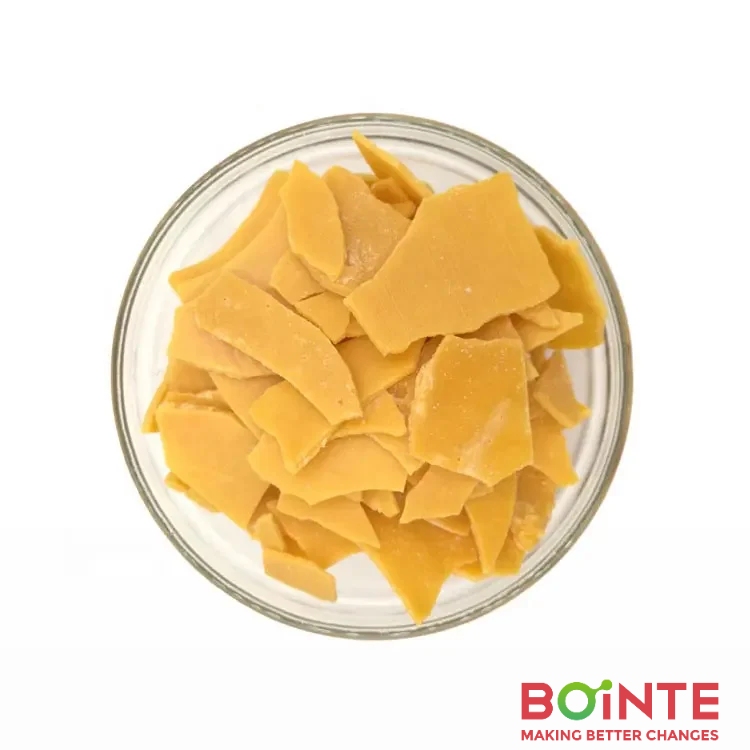
Solid Flakes: Both get shipped as flakes usually. NaHS flakes run at 70% ± 2%, while Na2S sits at 60% often.
Logistics Advantage: Leveraging Tianjin Port’s 1.2 million m² of specialized hazardous goods warehousing, we ensure these products are stored in temperature-controlled, moisture-proof environments to prevent caking and gas release.
Compliance
Global buying needs firm follow of EU REACH and SGS standards. Our “Standardized Documentation” makes sure each load of NaHS or Na2S clears customs smoothly. The average delivery time runs 7–15 days. That marks 40% quicker than usual in the field.
Cost, Market and Supply Considerations
The sodium sulfide market and the sodium hydrosulfide market connect through their base inputs: caustic soda and hydrogen sulfide gas.
Production Plant Cost Overview
Sodium hydrosulfide production plant cost depends a lot on where H₂S comes from. New plants often take H₂S from oil refining or natural gas work. This eco-link cuts the production plant cost. It turns waste into a useful chemical. For purchasers, this means a sodium hydrosulfide supplier with built-in early sources can give steadier prices.
Market Trends
By 2026, more people turn to NaHS for its eco-friendly side in wastewater treatment and mining. Na2S is less costly per ton. But the full running cost, which covers pH fixing and safety care, often makes NaHS the smarter pick for top industrial tasks.
How to Choose Between NaHS and Na2S for Your Industry
Selecting the right item boils down to four main points:
- Reactivity Requirement: Do you need high alkalinity (Na2S) or precise sulfur dosing (NaHS)?
- Safety Control: Does your facility have the ventilation and pH monitoring systems to handle high-alkalinity sulfide shocks?
- Process Stability: NaHS generally offers a wider “buffer” for error in sensitive processes like flotation.
- Total Operational Cost: Factor in the cost of secondary chemicals (like acids for neutralization) when comparing the price of the sulfide itself.
Conclusion
The pick between NaHS and Na2S goes beyond swapping one chemical for another. It shapes your supply chain plans. At BOINTE ENERGY, we draw on our more than 10 years in chemical exports. We make sure you get not only an item, but a full answer. By blending our supply chain strength with Tianjin Port’s base perks, we offer the steady flow your operations require.
FAQ: Industrial Sulfide Selection and Handling
Which chemical is safer to handle in a tannery environment?
Both count as harsh, but NaHS often seems safer for the leather material. Its milder base level cuts the chance of chemical harm to the skin surface. From a gas-safety view, both need the same air flow and H₂S checks to avoid bad breathing risks. Our “zero-accident” logistics build comes from handling both with full care.
Why is sodium hydrosulfide preferred for molybdenum flotation over sodium sulfide?
NaHS gives better choice in action. In flotation, the aim is to block copper while leaving molybdenum alone. NaHS’s lower base level stops the extra start of rock minerals. That issue crops up often with the very harsh Na2S.
Can I use the same storage tank for both NaHS and Na2S?
No. You should never mix these chemicals or use the same tank without thorough decontamination. Mixing them can alter the pH and potentially trigger the release of H₂S gas. Additionally, the crystallization temperatures for liquid NaHS and Na2S differ, which could lead to line blockages.
What is the impact of Tianjin Port logistics on my procurement cost?
Utilizing a bulk supplier based in Tianjin allows for “local order placement and direct port dispatch”. This reduces the delivery cycle to 7–15 days and leverages professional hazardous goods terminals, which minimizes the insurance and “contingency” costs typically associated with high-risk chemical shipping.
How does the sodium hydrosulfide production plant cost affect my long-term contract?
The production plant cost and the source of H₂S are key variables. Suppliers who use byproduct H₂S from refineries are less susceptible to raw material price spikes. When signing a long-term contract, we recommend choosing a sodium hydrosulfide supplier that has integrated upstream partnerships to ensure price and volume stability.