
In today’s factories, many key materials stay hidden from buyers. Technical grade sodium hydrosulphide holds a basic yet unseen spot in many production areas.
For example, it helps process minerals in African copper mines. It also aids in cleaning wastewater in Southeast Asia. Plus, it supports leather tanning and viscose fiber making. Sodium hydrosulphide flakes keep daily factory work going around the world. People seldom see it outside plants. But without it, key industries would stop.
Sodium hydrosulphide does more than act as a simple chemical. It boosts work speed, keeps things safe, meets green rules, and helps make production last longer.
What Is Technical Grade Sodium Hydrosulphide
Chemical Identity and Industrial Classification
Sodium hydrosulphide falls under CAS No. 16721-80-5. In world trade, sellers offer it in two main types:
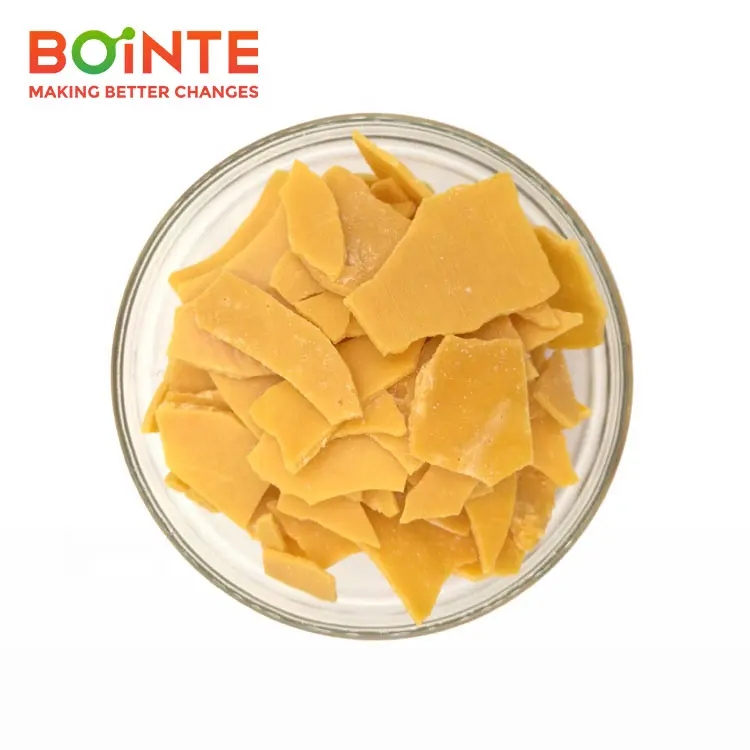
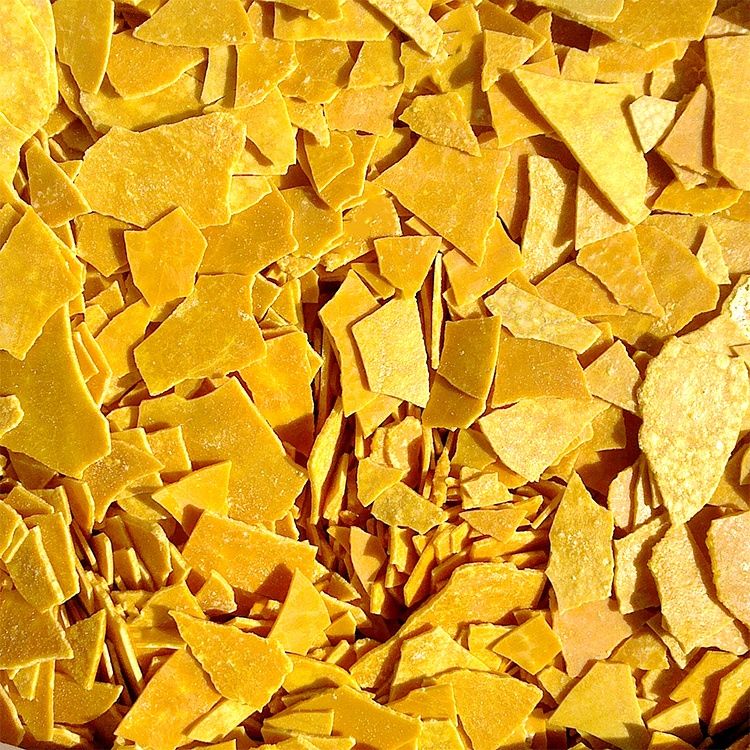
- Solid sodium hydrosulphide flakes with about 70 percent purity
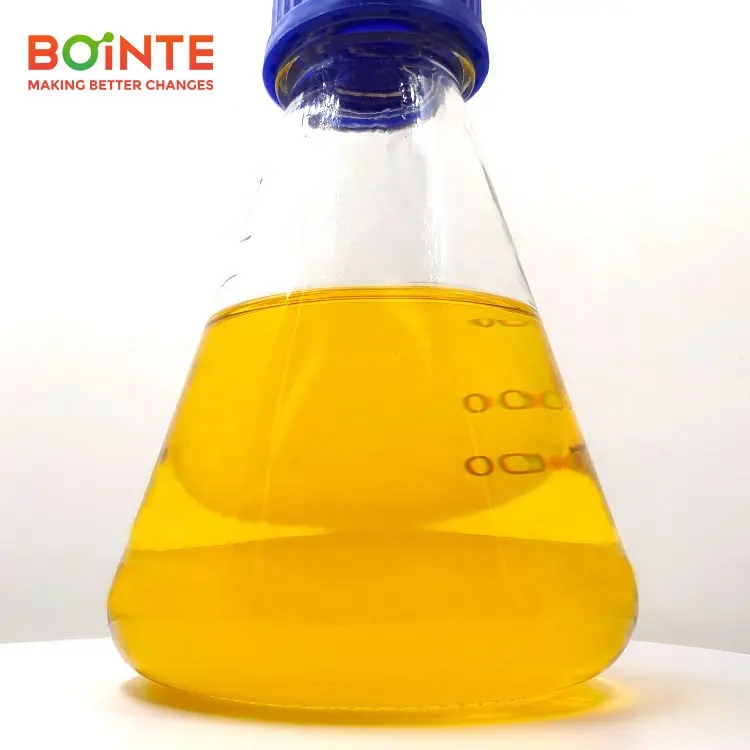
- Liquid sodium hydrosulphide solutions with concentrations of 32 percent, 42 percent, or 50 percent
Technical grade sodium hydrosulphide differs from purer lab or drug types. It fits big factory needs. There, steady action, firm results, and low cost matter more than top purity.
Physical and Chemical Characteristics Relevant to Manufacturing
Sodium hydrosulphide works as a powerful reducer. It has great skills in adding sulfur. These traits make it vital for flotation steps, dye making, metal care, and water cleaning.
Liquid sodium hydrosulphide mixes well in water. So, it fits ongoing feed systems. In acidic settings, it gives off hydrogen sulfide gas. Thus, good handling, storage, air flow, and safety steps are key in all factory spots.
Core Manufacturing Applications of Sodium Hydrosulphide
Mining and Mineral Processing
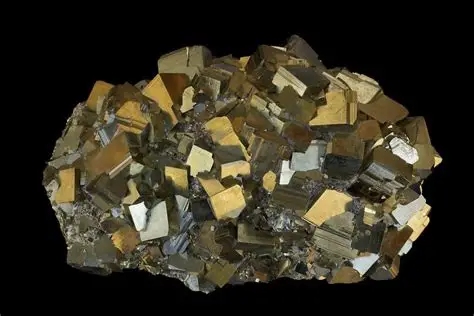
The top use of technical-grade sodium hydrosulphide is in copper ore upgrading. In flotation setups, it serves as a sulfur-adding agent. It wakes up mineral surfaces. And it boosts metal split success a lot.
African copper cobalt mines rely on flotation results. These set recovery levels and profit chances. Sodium hydrosulphide helps steady these steps. It also raises output.

Leather Processing Industry
In leather making, sodium hydrosulphide helps remove hair from raw hides. It preps them for tanning.
It can replace or team up with sodium sulfide. Unlike old hair removal chemicals, sodium hydrosulphide flakes give better control. When dosed right, they cut fiber harm.
Textile, Dyeing, and Viscose Fiber Manufacturing
Sodium hydrosulphide fits well into cloth and fiber work.
Makers use it to build organic parts for sulfide dyes. It joins in sulfite coloring for fake fiber making. It also removes sulfur in the viscose fiber steps.
These uses make dyes even. They improve color hold. And they aid fiber toughness and feel.
Agrochemical and Pesticide Manufacturing
In farm chemical making, sodium hydrosulphide acts as a key sulfur base part.
It often starts with the making of ethanethiol half-done items. As a reducer, it turns aromatic nitro compounds into amines.
Such changes are vital for many bug-killer main parts and in-between steps.
Fertilizer and Activated Carbon Systems
In fertilizer-making setups, sodium hydrosulphide clears single sulfur from activated carbon cleaners.
This steadies later cleaning systems. It also lengthens the life of helper materials.
Environmental Protection and Wastewater Treatment
Sodium hydrosulphide helps a lot in factory green work.
It pulls sulfides from wastewater. It drops heavy metal bits. And it cleans tough factory wastewater.
These jobs help plants follow tight green release rules. They cut long-term green risks, too.
Why Technical Grade Sodium Hydrosulphide Is Preferred in Large Scale Manufacturing
In factory runs, picking chemicals means weighing work, steadiness, and money watch. Technical grade sodium hydrosulphide hits all three.
Its clean level beats country rules by about 1 percent. So, buyers can cut costs by roughly 2 percent. This drops total chemical use per unit. It raises the step speed, too. And it keeps the system steady.
Unlike super clean types for lab work, technical grade sodium hydrosulphide takes real factory ups and downs. It stays useful in daily run conditions.
Product Forms, Packaging, and Industrial Logistics
Solid Sodium Hydrosulphide Flakes
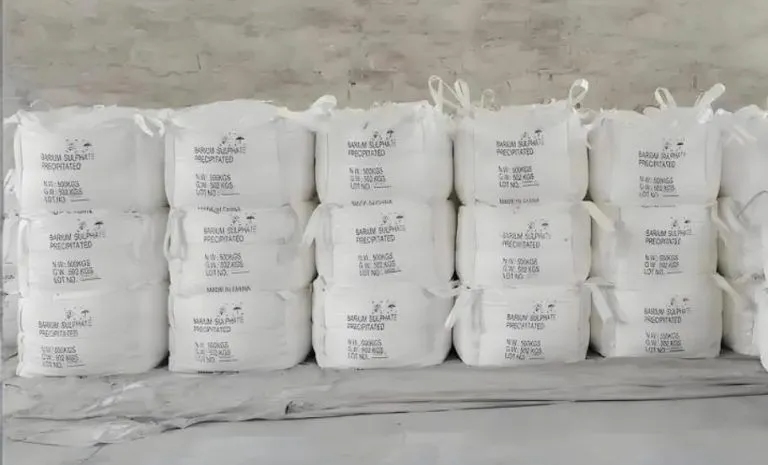
Solid sodium hydrosulphide flakes come in 25-kilogram bags. They also arrive in 900-kilogram or 1000-kilogram bags.
This type works well for long-distance shipping. It suits long storage. And it fits batch feed systems.
Liquid Sodium Hydrosulphide Solutions
Liquid sodium hydrosulphide is packed in 240-kilogram drums. It uses 1200-kilogram IBC tanks. And it goes in 23,000-kilogram ISO tanks.
It suits auto and steady feed jobs. Think of cloth color lines and big water clean spots.
Hazardous Logistics and Compliance
As a dangerous chemical, sodium hydrosulphide needs strict world safety rules for moves.
With set packing, heat watch shipping, and a full IMDG match, BOINTE ENERGY has a no-mishap move record. This spans over ten years of world work.
Tianjin Port backs this with quick border checks and wide ship paths. So, BOINTE ENERGY keeps steady send times. It offers good move costs, too. Even in busy seasons.
Global Manufacturing Demand Structure
The need for sodium hydrosulphide shows a clear area focus.
Africa grows from copper mining and mineral upgrading.
Southeast Asia leads in cloth coloring, fiber making, and water cleaning.
South America grows in copper flotation needs.
The Middle East sees a fast rise in water care and later chemical building.
This mixed need setup makes sodium hydrosulphide a world key factory item. It is not just for one spot.
Supply Chain Reliability and Global Delivery Capability
BOINTE ENERGY aids steady factory buyers. Tianjin Port is the main sending point. It has extra ports like Qingdao and Shanghai. Response time is 24 hours for quotes. Send cycles average about 10 days. Total chemical send volume tops 150000 tons.
This many-port and many-path move setup builds chain strength. It shields buyers from jams, busy time breaks, and area ship dangers.
Technology Evolution and Energy Transition Applications
Sodium hydrosulphide has long helped old factory fields. Now, its job grows into new power chemistry.
Battery-grade sodium hydrosulphide is being built for lithium battery part prep. It aids sulfur-based clean power steps.
This links sodium hydrosulphide to green power for making future. It backs green and social goal factory changes.
Safety, Environmental Compliance, and Responsible Manufacturing
From a green and social view, sodium hydrosulphide fills two main jobs.
First, it lets end users hit wastewater send limits. It controls heavy metals, too.
Second, with the right care, it cuts factory long-term costs and risks.
BOINTE ENERGY aids buyers beyond steady supply. It gives handle tips, store advice, safety papers, and rule matches. These fit REACH, EPA, and SGS standards.
Conclusion: From Daily Manufacturing to Global Industrial Infrastructure
Technical grade sodium hydrosulphide keeps acting as a main step helper, chain steady maker, and green factory pusher.
As world factories get trickier and green rules tighten, steady access to rule-fit, growable, and firm sodium hydrosulphide supply is a must.
For makers wanting solid long ties, sodium hydrosulphide is more than a chemical additive. It forms part of today’s world factory base.
Frequently Asked Questions About Sodium Hydrosulphide
What is technical grade sodium hydrosulphide mainly used for?
Technical grade sodium hydrosulphide is mainly used in copper ore flotation, leather dehairing, textile dyeing, viscose fiber production, pesticide intermediates, fertilizer purification systems, and industrial wastewater treatment.
What is the difference between sodium hydrosulphide flakes and liquid sodium hydrosulphide?
Sodium hydrosulphide flakes are solid with about 70 percent purity and are suitable for shipping and storage. Liquid sodium hydrosulphide is supplied at 32 percent to 50 percent concentration and is used for continuous automated dosing systems.
Is sodium hydrosulphide hazardous during transportation?
Yes, sodium hydrosulphide is a regulated hazardous chemical and must be transported following IMDG and local safety requirements. With professional packaging, proper temperature control, and certified logistics operations, it can be shipped safely worldwide.
How is sodium hydrosulphide used in wastewater treatment?
In wastewater treatment, sodium hydrosulphide removes sulfides, precipitates heavy metals, and detoxifies complex industrial effluents. It is widely used in mining wastewater, electroplating effluent, and chemical plant discharge systems.
Can technical-grade sodium hydrosulphide be used in lithium battery manufacturing?
Yes, battery-grade sodium hydrosulphide is under development for use in lithium battery cathode material preparation and sulfur-based energy reactions, supporting the future of renewable energy manufacturing.