
Understanding the Calcium Formate Formula
Calcium formate is a simple inorganic compound. It includes calcium, carbon, hydrogen, and oxygen. The chemical formula is Ca(HCOO)₂. This means it has one calcium ion (Ca²⁺) and two formate ions (HCOO⁻). People need this formula to grasp how calcium formate acts in different settings. Experts often call it formic acid calcium salt. That name highlights its link to formic acid.
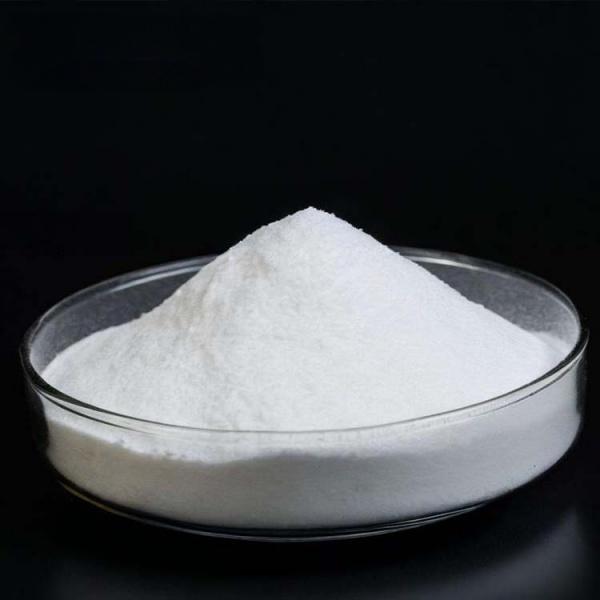
In solid form, calcium formate looks like a white powdery crystal. It comes in two main types. One is Calcium formate 98% (INDUSTRIAL GRADE). The other is Calcium formate 98% (FEED GRADE). The main difference is in how pure it is. That affects where you can use it.
Key Properties of Calcium Formate
Calcium formate stands out for its flexibility. It melts at a fairly high temperature. Plus, it stays steady during regular storage. It dissolves well in water. That makes it simple to apply in many ways. We will look at those uses soon.
Calcium formate has the CAS NO.: 544-17-2. It causes no harm in small amounts. It is safe for plenty of tasks. The formate part makes it a bit sour. But it does not eat away at things or hurt you in normal use.
If the heat rises, calcium formate breaks down. It turns into carbon dioxide and other safe leftovers. This fits well with factory jobs that need warmth.

Common Uses of Calcium Formate in Everyday Products
Even though it is a chemical, calcium formate uses appear in lots of daily items. Its special traits help in many fields. Here are some key ones:
- Animal Feed Additive: Farmers like to add calcium formate to animal food. It helps give animals more calcium. It also aids gut breakdown of food. That cuts down on loose stools. Overall, it boosts health. This works best for baby animals. Think of young pigs and baby birds. So, it is a top pick for those raising farm animals.
- Construction Industry: Builders use calcium formate to speed up concrete strength at the start. It quickens the cement mixing with water. That shortens wait times for hardening. It also makes concrete better against cold and pressure. Projects move faster this way. Even in chilly weather, work goes on. Timelines improve as a result.
- Chemical Manufacturing: In chemical work, calcium formate acts as a base for making formic acid and oxalic acid. It serves as a guard against germs and rot in wood treatment. That keeps wood from breaking down. For paints and coatings, it adds lasting power. Products last longer because of it.
- Leather and Metal Processing: Tanners add calcium formate to balance the acid level in baths. This leads to nicer leather. In metal care, it stops rust on surfaces. That makes metals tougher and prettier.


How Solubility Affects Calcium Formate Applications
Solubility matters a lot for calcium formate. It works well in many jobs because it mixes okay with water. This lets it blend into wet setups or turn into liquid easily.
- In animal feed, this mixing helps it break apart in stomach juices. Then, the body takes in calcium and formate bits better. Digestion gets smoother. Gut problems drop too.
- For the construction field, solubility speeds up blending with cement. Hydration happens quicker. So, you end up with tougher builds.
- In leather tanning or metal treatment, it spreads evenly in the mixes. Results stay the same each time. Leather feels better. Metals fight rust more. All this comes from even coverage.
If it did not dissolve like this, calcium formate would not work as well. It would lack the range it has now.
Why Knowing About Formic Acid Calcium Salt Is Important
Learning about formic acid calcium salt—which is just another term for calcium formate—helps people in key areas. Think of farming, building, chemical work, and leather making. For instance:
- If you handle agriculture or livestock, you may see calcium formate in food boosts. These help animals grow strong and stay healthy.
- In construction, knowing how it speeds concrete strength can help plan better. Schedules become more efficient.
- For wood processing or metalworking, its guard traits against decay and rust guide smart picks. Materials hold up longer. Products improve.
On top of that, this knowledge lets buyers and companies choose wisely. Many products have such additives. Calcium formate is common and safe if used correctly. So, grasping its role eases worries.
As demand grows, product quality, purity level, and supplier reliability become key factors in the competitive calcium formate market. Bointe Energy Co., Ltd., formerly known as Tiandeli Co., Ltd., is a trusted partner in the international trade sector, specializing in the supply of high-quality materials used across industries such as copper ore dressing, printing and dyeing, leather production, pharmaceuticals, and wastewater treatment. With an annual export volume of 20,000 tons, we are committed to providing reliable products and excellent service.
If you’re looking for a dependable supplier for your business needs, don’t hesitate to contact us. Whether you need specific technical details or want to request a quote, our team is ready to assist you.
Frequently Asked Questions (FAQ)
Q1: Is calcium formate safe for humans?
Yes, calcium formate is usually safe and does not poison when managed well. Still, follow the rules for all chemicals. That avoids extra contact.
Q2: Is calcium formate a natural substance?
The production of calcium formate occurs through laboratory reactions between different substances. The fermentation process can create small amounts of calcium formate through natural formation.
Q3: Can I use industrial-grade calcium formate for animal feed?
No. The two available grades of calcium formate exist as Industrial grade and Feed grade. The feed grade stands as the only acceptable choice for animal feed because it fulfills strict purity requirements, which protect animal health and safety.
Q4: What happens if calcium formate gets wet?
Calcium formate dissolves in water because it has water-soluble properties. The dissolution of calcium formate depends on the specific application because it creates either useful or undesirable results during handling and storage.
Q5: What is the difference between calcium formate and calcium carbonate?
Calcium carbonate shows lower water solubility than calcium formate while serving as a dietary supplement and antacid substance. The industrial applications of calcium formate extend further than calcium carbonate because it dissolves better and reacts more strongly.