A longtime client in Peru runs a medium-sized lead-zinc ore dressing plant, which processes 90,000 tons of raw ore every month. The mineral products are mainly sold to North America and Europe. In the past, they used the “xanthate + No. 2 oil” flotation method for mineral processing, but they were always troubled by two problems: it was too time-consuming and costly. It took 4 and a half hours to process a batch of ore from start to finish, so they could only handle 3,000 tons a day, and it took 25 days to deliver goods to customers. Xanthate isn’t cheap—it costs (USD2.8 /mt and they needed 1.3 kilograms of it for each ton of ore. The monthly cost for reagents alone exceeded RMB 80,000. What’s worse, 15% of the ore had to be reprocessed, which wasted more water and electricity. They also had to hire 2 extra workers, whose combined monthly salary was USD6,000.
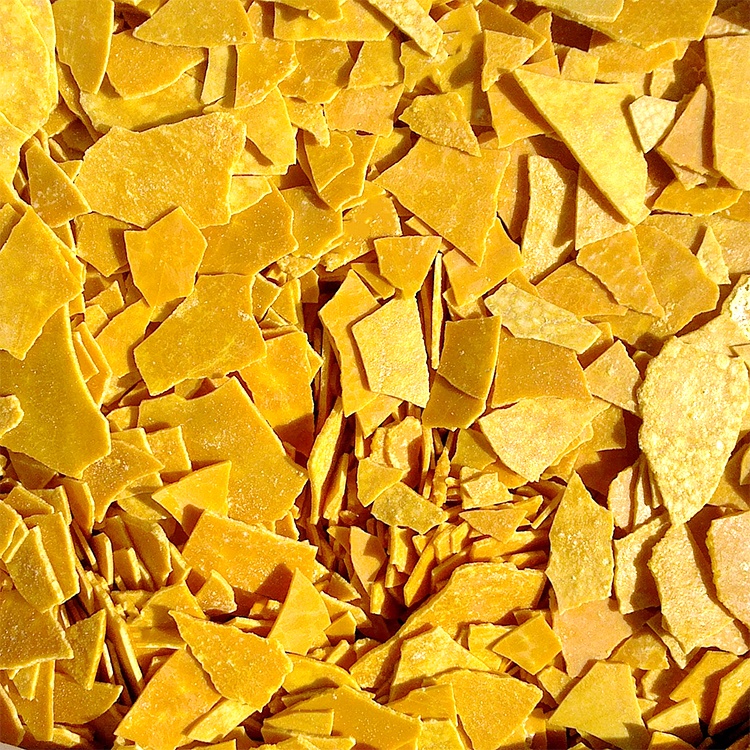
At the start of 2024, the plant began using sodium hydrosulphide—adding 350 grams per ton of ore, used together with xanthate. This method is compatible with Finland’s Outotec flotation machines and also complies with the EU’s REACH environmental regulations. After this change, the reaction efficiency between the ore and reagents jumped by 60%: the initial stirring time was cut from 1.5 hours to 50 minutes, and the entire processing took only 2 hours. Now they can handle 4,200 tons of ore a day, increasing monthly output by 36,000 tons, and delivery time to customers has been shortened to 18 days.
In terms of costs, the savings are quite substantial: sodium hydrosulfide is only $1.5 per kilogram, and it also reduced the amount of xanthate used to 0.8 kilograms per ton of ore. The monthly reagent cost dropped directly to RMB 45,000, saving a total of over RMB 56,000 per month. Besides, the grade of the concentrate has improved too—lead content went from 55% to 58.2%, and zinc from 50% to 52.5%—earning an extra RMB 120,000 per month. After treatment, the sulfide content in wastewater is below 0.3mg/L, which fully meets the standards, so there’s no more worrying about getting hit with heavy environmental fines.
So for overseas ore dressing plants, using sodium hydrosulfide not only saves time and boosts output, but also cuts costs in several ways—all while staying environmentally compliant. It’s definitely a great way to boost competitiveness.
case
- Home
- case