
When operators find solids in a sodium hydrosulfide dosing system, crystallization may be the cause, but appearance alone cannot confirm it. Undissolved flakes, contamination, or a mechanical restriction can look similar.
Before restarting the feed, establish where flow changed, what the solids are, and whether the solution matches the product and operating records.
Locate the first change in flow
Use the last normal reading as a reference. Note tank level, pump status, line pressure, alarms, and when flow first changed before disturbing equipment. Trace the feed path toward the injection point: tank outlet, suction line, pump, strainer, discharge line.
A restriction in a cold or stagnant section calls for different checks than solids in freshly prepared solution.
Solids are only one possibility. A valve, fouled strainer, pump, or instrument fault can also interrupt delivery. Check indicators and valve positions under the site’s procedure before treating the event as a chemistry problem. If the line must be opened, follow isolation and line-breaking rules.
Sodium hydrosulfide solution is corrosive and can release toxic hydrogen sulfide.
Confirm which product and concentration are in the system
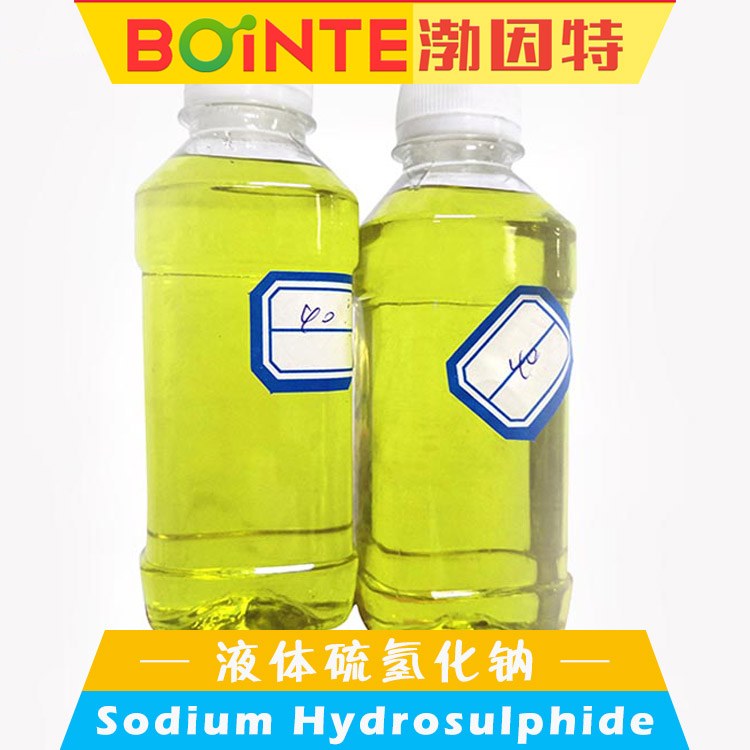
Sodium hydrosulfide is supplied in solid and liquid forms, and the make-up route matters. Flakes must be dissolved under the approved preparation procedure before metering. A delivered liquid follows a different receiving and transfer path.
In either case, check the product identity, lot documents, make-up record, and any dilution or transfer steps against the operating record.
Pay close attention to the concentration basis. Values stated on different bases cannot be compared directly, and the product form alone does not tell you the concentration in the tank. A solution prepared from flakes may not match the delivered liquid concentration.
The current certificate of analysis, product specification, and plant calculation should agree before a concentration reading is used to explain a blockage.
BOINTE lists هيدروسلفيد الصوديوم as a mining reagent product. The plant’s records establish what entered the dosing system and at what concentration.
Work out whether the solids are crystals, flakes, or debris
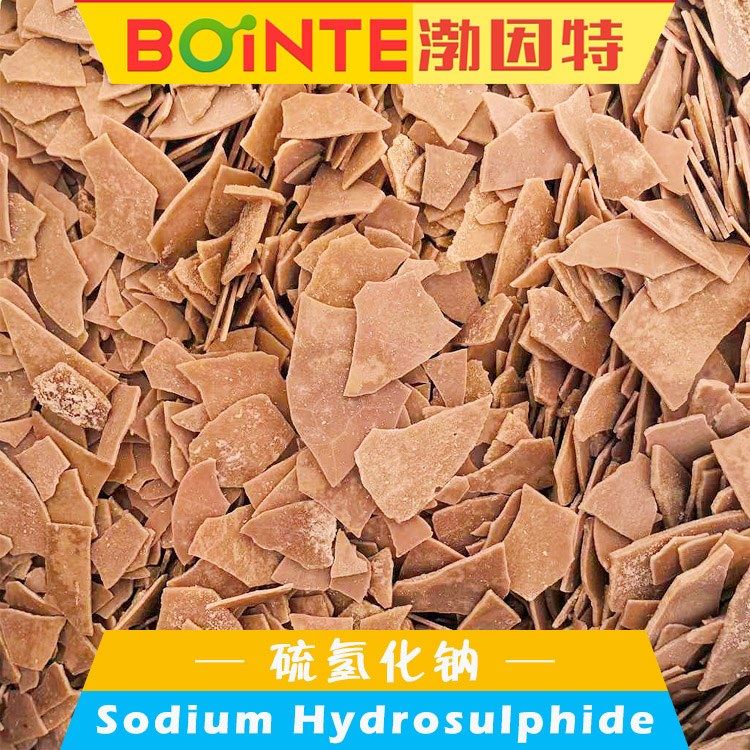
The phrase sodium hydrosulfide solubility is useful only when it refers to the same product form and conditions as the material in the line. Crystals may appear if the actual solution conditions fall outside the applicable solubility range. Undissolved flakes instead suggest that make-up or mixing may not have been complete.
Foreign material can point to contamination or an equipment issue. These causes need different responses, so do not identify a deposit by color or texture alone.
Compare the affected section with current grade-specific handling information. Review concentration, temperature history, time without circulation, and the location of stagnant sections. Inspect a strainer only after isolation; identify samples through an approved method rather than informal handling or testing.
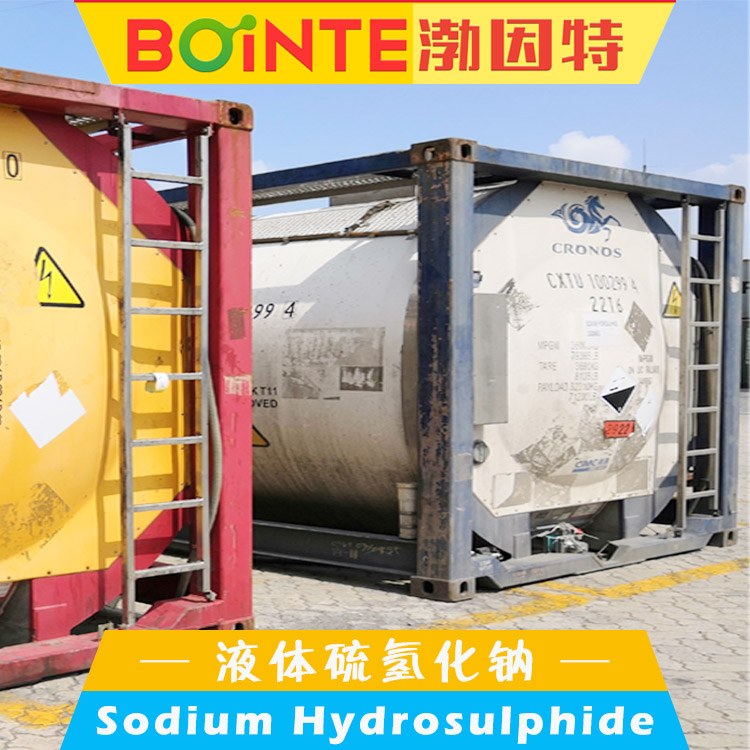
For delivered سائل هيدروكبريت الصوديوم, inspect the receiving tank, transfer route, and metering equipment too. Stagnation, incompatible materials, contamination, or conditions outside supplier guidance can still interrupt a liquid feed. Use a handbook solubility value only when its basis and conditions match the grade in use.
The restart depends on the restriction
Rule out pump, electrical, or instrument faults. Compare readings and valve positions with the last normal run, then check approved strainers and the section where flow changed. Verify heat tracing or other installed controls as designed. Do not apply heat because solids are visible; follow the engineered system and product guidance.
If chemical solids are suspected, isolate the section and involve process and safety personnel. Identify the material by an approved method before choosing a recovery step. Adding water or applying heat by guesswork can change the solution or introduce another hazard without establishing the cause.
Restart only when the cause has been addressed and the line is confirmed clear and safe. Restore flow under the startup procedure and watch the readings that first showed the problem. Record the lot, concentration basis, preparation and temperature history, restriction location, equipment readings, corrective action, and restart observations.
Those records help separate a preparation issue from an equipment-specific condition.
Set controls around the site’s operating conditions
Among sodium hydrosulfide uses, mining reagent service depends on delivering the intended material at the plant’s specified concentration and feed rate. Prevention should start with an operating window for the actual grade and system, not a limit borrowed from another mine. بوينت supplies sodium hydrosulfide for mining applications.
The site procedure should cover make-up checks, storage and circulation, low-flow response, and inspection points. Keep the receiving specification and operating procedure on the same concentration basis.
In cold conditions or after long idle periods, review dead legs, low points, exposed runs, and sections that cannot be sampled or drained safely. Changes to insulation, heat tracing, dilution, or recirculation need engineering and safety review because they can affect materials, concentration, gas release, and process control.
After restoring flow, use the plant’s established indicators to check the flotation circuit. A clear line confirms delivery, not that the reagent program is back within its target.
Restart from evidence, not appearance
Crystallization is one possible explanation for a blocked sodium hydrosulfide line. Locate where flow changed, check product and concentration records, and distinguish crystals from undissolved material or debris through approved procedures. Correct the identified cause and restart under site safety and process controls.
No universal concentration, temperature, or heating rule can replace those checks.
أسئلة متكررة
How can operators distinguish crystals from undissolved flakes?
The appearance may not be enough. Compare where the solids formed with the preparation and temperature records, then use the site’s approved identification method and product information. Do not handle an unknown deposit informally.
Should a blocked sodium hydrosulfide line be heated?
Not by default. Check the installed system design and current grade-specific guidance first. Unapproved heating can introduce equipment, pressure, concentration, or gas hazards.
Can a handbook solubility value set the operating limit?
Only when its product form, concentration basis, and conditions match the material and system in use. Otherwise, use the supplier’s current information and the site’s reviewed operating procedure.
What controls are needed before opening a dosing line?
Follow the site’s isolation and line-breaking procedure, with containment, ventilation, gas monitoring, PPE, and emergency arrangements. Contact with acids can release toxic hydrogen sulfide.
What should be recorded after a blockage?
Record the product lot, concentration basis, make-up and temperature history, affected location, equipment readings, identified material, corrective action, and restart observations.