

Verständnis von Kaustiknatra und seiner industriellen Formen
Chemische Eigenschaften von Natriumhydroxid (NaOH)
Soda, in der Wissenschaft als Natriumhydroxid (NaOH) bekannt, ist eine sehr starke alkalische Substanz. Die Leute verwenden es viel in der Fabrikarbeit und speziellen Hausaufgaben. In fester Form sieht es aus wie ein weißes, geruchsfreies Kristallmaterial. Diese Sache zieht Wasser aus der Luft ziemlich leicht. Experten nennen es hygroskopisch.
Natriumhydroxid mischt sich gut mit Wasser. Diese Mischung beginnt eine starke wärmeerzeugende Reaktion. Sie nennen es eine exotherme Reaktion.
Aufgrund seiner starken Basisnatur, mit einem pH-Wert von 12 bis 14, kämpft kaustische Soda hart mit Säuren. Dies geschieht beim Ausgleich der Reaktionen. Es funktioniert auch mit einigen Metallen, die in beide Richtungen wirken. Dadurch wird brennbares Wasserstoffgas freigesetzt. Außerdem kann es Proteine in pflanzlichen und tierischen Zellen abbauen. Diese aktiven Funktionen machen es zum Schlüssel für den Welthandel. Aber sie fordern auch feste Sicherheitsmaßnahmen.
Allgemeine Formulare auf dem globalen Markt verfügbar
Fabrikkäufer bekommen diese Chemikalie oft in drei Hauptformen. Dies sind Flocken, flüssige Mischungen und Kaustische Soda PerleFlacken sehen flach aus wie Teller. Flüssigkeitsarten, oft bei 50% Festigkeit, passen zur laufenden Autozuführung in Wasserreinigungsanlagen.
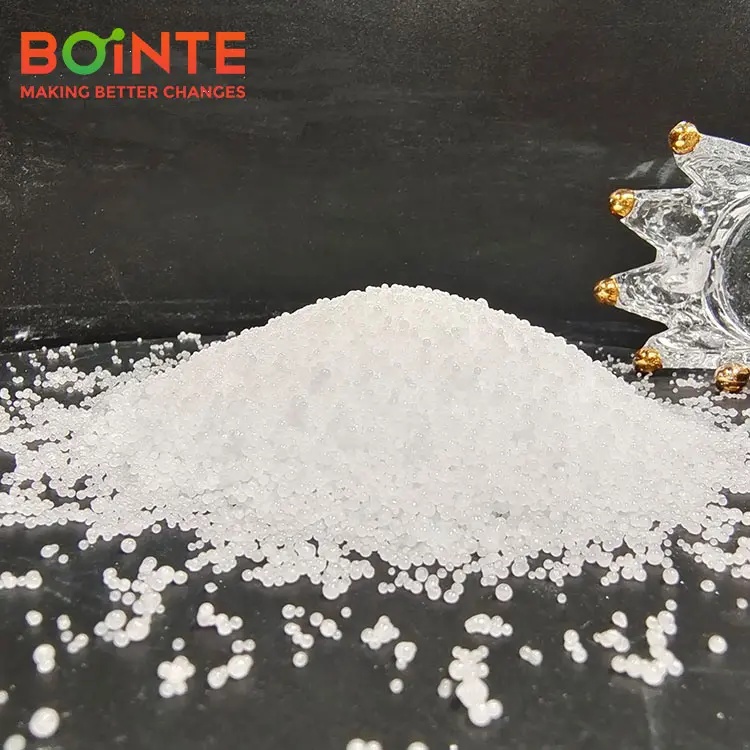
Caustic Soda Pearl gewinnt mehr Fans bei der genauen Herstellung von Jobs. Es hat eine gleichmäßige, runde Form. Dies bringt klare Plusen. Es macht wenig Staub. Es fließt besser ohne Klumpen. Es mischt sich auch in einem stetigen Tempo. Diese Punkte machen es zu einer Top-Wahl für Drogenlabore und Stoffpflanzen. Es gibt die richtigen Mengen an Chemikalien. Auch saubere Luft am Arbeitsplatz zählt.
Strategische industrielle Anwendungen von Kaustiknatra
Schlüsselsektornutzung und Nachfrage nach Langschwanz
Als grundlegendes Ausgangsmaterial hilft Kaustisch Soda vielen Versorgungsleitungen der Welt:
- Chemische Synthese: Es wirkt als Schlüsselhilfer bei der Herstellung von Seifen, gefälschten Reinigungsmitteln, Farbstoffen und Medikamententeilen.
- Textilverarbeitung: Tuchhersteller verwenden es, um Baumwolle zu schrubben. Dies nimmt natürliche wachsige Stücke weg. Sie verwenden es auch für einen Schritt namens Mercerisierung. Das hilft Farbstoffen besser festzuhalten.
- Ölraffinierung: Es beruhigt sauere Teile in Rohöl und Gas.
- Umwelttechnik: Wasserabfallreinigung braucht eine Tonne. Fixiert den pH-Gleichgewicht. Es zieht schwere Metalle heraus. Es hilft auch, Rauchgase von Schwefel zu reinigen.
- Lebensmittelindustrie: Safe-for-Food-Typen werden unter strengen Regeln verwendet. Sie schälen Obst und Gemüse mit Chemikalien. Sie reinigen auch Gear.
Die Rolle der Soda-Perle in der fortschrittlichen Fertigung
Natriumhydroxidperlen 99% bekommen Sie für Ihr Top-Clean-Level und sogar Make-up ausgewählt. In der Seifenherstellung gibt Kaustische Soda-Perle sichere Mischergebnisse. Dies ist der Schlüssel für eine stetige Qualität in festen und flüssigen Seifen. Die geringe Staubmenge erhöht die Arbeitssicherheit. Es reduziert die Gefahr, es zu atmen, wenn Sie große Lasten handhaben oder wiegen.
Laborflecken und Drogenpflanzen wie die Kornform. Damit können sie das Gewicht genau richtig kontrollieren. Es hilft, Reaktionsgeschwindigkeiten gut zu verwalten. Auch die schwere Packung Perlen spart Platz in der Lagerung. Dies macht die Lagerhaltung für Verkäufer auf der ganzen Welt einfach.

Professionelle sichere Handhabung und Lagerung
Persönliche Schutzausrüstung (PPE)
Caustic Soda isst schnell durch die Dinge, weil es so rau ist. Die Einhaltung der Sicherheitsregeln ist ein Muss. Empfohlene Ausrüstung umfasst:
- Handschuhe, die Chemikalien bekämpfen, aus Nitril, Neopren oder PVC hergestellt.
- Volle Gesichtsbedeckungen oder Brillen, die Spritze stoppen.
- Kleidung, die Basen widersteht, mit langen Armen.
- Atemmasken (N95 oder besser) an Stellen mit schlechtem Luftstrom oder viel Staubrisiko.
Überprüfen Sie alle Sicherheitsartikel vor jedem Gebrauch auf gute Form. Bosse sollten regelmäßig trainieren, um Gefahren zu erkennen. Dies hilft den Arbeitnehmern zu wissen, was zu tun ist.
Leitlinien für industrielle Lagerung zur Risikominderung
Die richtige Lagerung hält das Produkt gut und verhindert grüne Gefahren:
- Halten Sie es in dichtdichten Boxen vor passenden Sachen wie Polyethylen mit hoher Dichte (HDPE) oder Edelstahl.
- Halten Sie es fern von Säuren, nassen Bereichen, brennbaren Gegenständen und schlechten Chemikalien.
- Verwenden Sie klare Etiketten-Setups. Lass nur gut ausgebildete Leute in der Nähe sein.
- Halten Sie frische Computerlisten auf Lager. Dies hilft Sicherheitskontrollen und Regelaussehen.
Notfallmaßnahmen und Erste Hilfe
Wenn es versehentlich berührt wird:
- Hautkontakt: Waschen Sie sofort die verletzte Stelle mit viel Wasser für mindestens 15 Minuten. Ziehen Sie auch nasse Kleidung aus.
- Augenkontakt: Waschen Sie Ihre Augen nonstop mit Wasser. Holen Sie sich schnell spezielle Arzthilfe.
- Spill Eindämmung: Beruhigen Sie kleine Verschüttungen mit schwachen abgewässerten Säuren wie Zitronensäure oder Essig. Machen Sie dies mit der Pro Watch. Nach der Reinigung luften Sie den Ort vollständig aus.
Stellen Sie Notfallstellen in der Nähe aller Aufbewahrungs- und Gebrauchsbereiche. Fügen Sie Augenwaschwerkzeuge und beruhigende Kits ein.
Einhaltung der Vorschriften und verantwortungsbewusste Beschaffung
Einhaltung internationaler Sicherheitsnormen
Unternehmen müssen Arbeitssicherheitsvorschriften wie die OSHA in den USA oder die EU-REACH-Schritte befolgen. Mit mehr als zehn Jahren Versand von Waren,
Die richtigen Papiere zählen sehr. Dazu gehören Material Safety Data Sheets (MSDS), Move OK Slips und Notizen. Sie helfen, Grenzkontrollen und Regelberichte reibungslos zu erleichtern.
Verantwortliche Beschaffung von hochreinen Produkten
Die Auswahl eines vertrauenswürdigen Verkäufers hält die ESG-Standards hoch. Dies bedeutet Pflege für Erde, Menschen und gutes Laufen. Intelligente Käufer sollten:
- Holen Sie sich von geprüften Herstellern, die vollständige Sicherheitsdatenblätter (SDS) liefern.
- Überprüfen Sie die Reinigungsniveaus (Technische vs. Lebensmittelqualität), um Ihren Arbeitsbedarf zu entsprechen.
- Fragen Sie nach klaren Versorgungswegen und Möglichkeiten, Kohlenstoffmarken zu reduzieren.
Umweltverwaltung und Abfallmanagement
Ökologische Risiken unsachgemäßer Entsorgung
Nicht richtige Handhabung von Soda-Abfällen bringt große Bedrohungen für die Natur. Unbehandelte Basisabfälle in Wasserhäuser freizugeben verändert den pH-Wert erheblich. Dies tötet Fische und Pflanzen auf schlechte Weise. Auf Land isst es unter Rohren. Es schmerzt auch Schmutz Make-up. Dies verhindert das Wachsen von Pflanzen und schneidet verschiedene Lebensarten.
Best Practices für Neutralisierung und Entsorgung
Um grün und dauerhaft zu arbeiten:
- Ruhiger, starker Basisabfall mit abgewässerten Säuremischungen (wie Salzsäure). Beobachten Sie die Wärme- und pH-Veränderungen genau.
- Halten Sie sich an lokale grüne Regeln, wie die der EPA, zur Entsorgung gefährlicher Abfälle.
- Stellen Sie okayed gefährliche Abfallbehandlung Dienstleistungen für große werfen Jobs.
- Große Hersteller sollten eine automatische pH-Uhr und ruhige Setups verwenden. Dies trifft feste grüne Ziele.
BOINTE ENERGY CO., LTD. hält ein Netz von Helferagenten in großen Schiffspots wie Singapur und Dubai. Mit speziellen Aufbewahrungsräumen im Hafen von Tianjin bietet die Firma gute Bereichssendungen und direkte Schiffswege aus dem Dock.
BOINTE ENERGY CO., LTD. hat ein starkes Regelsetup aufgebaut. Es prüft, ob jede Last den grünen und sicheren Bedürfnissen des Endplatzes entspricht.
Häufig gestellte Fragen (FAQs)
1. Wofür wird Kaustische Soda zu Hause verwendet?
Kaustische Soda-Anwendungen zu Hause umfassen hauptsächlich schwierige Aufgaben wie das Entfernen von harten Ablaufverstopfungen, die Reinigung schwerer Öfen und das Entfernen dicker Fette oder Farbe. Aber du brauchst große Sorgfalt. Das Verbrennungsrisiko durch Chemikalien ist hoch.
2. Was sind die Vorteile der Verwendung von Soda-Perle gegenüber anderen Formen?
Neben den Flocken bietet die Kaustische Soda-Perle einen besseren Reinigungsgrad, einen glatteren Durchfluss mit weniger Staub und sogar eine Mischgeschwindigkeit. Dies ist sehr wichtig für die Autofabrikfütterung.
3. Wie sollte ich Kaustik sicher zu Hause oder bei der Arbeit aufbewahren?
Wählen Sie immer dichtdichte, wasserdichte Boxen aus HDPE. Legen Sie die Chemikalie an einen kühlen, trockenen Ort. Halten Sie es vor Säuren, heißen Dingen und weg von Kindern oder nicht ausgebildetem Personal.
4. Was ist der typische Kaustische Soda Perlen Preisbereich?
Die Kaustischen Soda Perlen Preis ändert sich mit weltweiten Höhen und Tiefen in Strom und Startkosten. Im Allgemeinen liegt es zwischen 500 und 800 Dollar pro Tonne. Dies hängt von sauberen Ebenen, Box-Typen und Kaufgröße ab.
5. Wie kann ich den Rest von Kaustischer Soda sicher entsorgen?
Für kleine Zuhause Bits, beruhigen Sie mit Essig, bevor Sie werfen. Bei Fabrikmengen rufen Sie immer eine geprüfte Gefahraufwurfgruppe an. Dies hält Sie im Einklang mit grünen Gesetzen.