
Apa itu Caustic Soda?
Soda kaustik, juga disebut natrium hidroksida (NaOH), berdiri sebagai zat kimia dasar. Orang-orang mengenalnya karena sifat dasarnya yang kuat. Ini terdiri dari satu atom natrium, satu atom oksigen, dan satu atom hidrogen. Pengaturan ini menciptakan senyawa ionik. Ketika dicampur dalam air, mudah terbagi menjadi ion Na dan OH. Pemisahan itu memberinya kualitas dasarnya yang kuat. Akibatnya, menjadi penting dalam banyak penggunaan pabrik, terutama di industri tekstil.

Sifat fisik
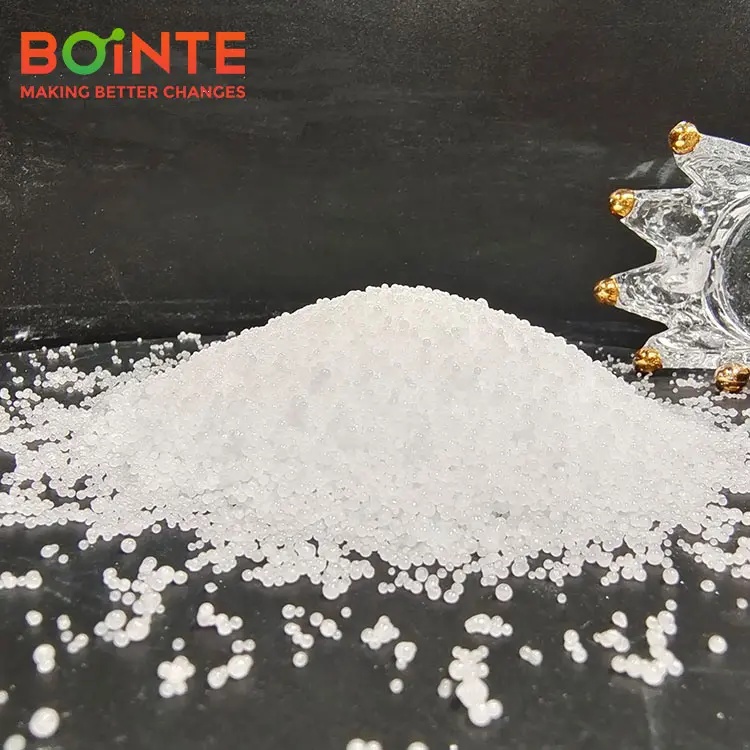
Caustic soda muncul sebagai bahan putih dan kuat. Ini datang dalam bentuk seperti serpihan, pelet, atau granul. Jenis granular kami membawa keuntungan yang jelas. Ini memiliki aliran yang baik dan area permukaan yang besar. Ciri-ciri ini menghentikan pengekumpulan dan tarikan kelembaban. Menarik air dari udara dengan mudah. Ketika dicampur dengan air, ia mengeluarkan panas. Sifat ini membantu dalam langkah-langkah tekstil di mana kehangatan yang stabil memecah kotoran.
Sifat Kimia
Sebagai dasar padat, soda kaustik bercampur dengan kuat dengan asam. Ini mengubah lemak dan minyak menjadi sabun. Ini membahayakan beberapa bahan, jadi penanganan membutuhkan perawatan. Ion OH mendorong tingkat pH naik. Dalam campuran 5-10%, pH sering melebihi 12. Hal ini penting untuk membuat pengaturan dasar di bak mandi tekstil. Tindakannya pada benang selulosa, seperti kapas, menyebabkan pertumbuhan dan pergeseran bentuk. Ini meningkatkan ciri kain.
Reaksi dengan tekstil
Ketika bertemu dengan tekstil, soda kaustik membuat benang selulosa tumbuh. Ini memecahkan ikatan lemah dan pergeseran molekul. Hal ini mengarah pada cahaya dan kekuatan yang lebih baik. Ini membersihkan kotoran permukaan dengan baik. Kain kemudian siap untuk pewarnaan dan langkah-langkah akhir. Tingkat tindakan ini tergantung pada kekuatan, panas, dan waktu yang dihabiskan. Jadi, pabrik dapat membimbing mereka dengan dekat.
Dampak pada Struktur Serat
Soda kaustik mengubah benang alami seperti kapas dengan cara yang mendalam. Hal ini membuat mereka tumbuh dan menyebar. Hal ini meningkatkan ruang permukaan. Ini juga mengatur kembali link selulosa. Akibatnya, berkilau, kekuatan tarik, dan pengambilan warna menjadi lebih baik. Bayangkan benang berubah seperti balon bengkak. Mereka menjadi lebih halus, lebih keras, dan lebih terbuka untuk perbaikan. Di BOINTE, kami telah mencatat efek ini secara langsung dalam contoh kami. Soda kaustik granular kami telah menyesuaikan pergeseran ini di pabrik tekstil ukuran menengah. Ini membawa kualitas kain terbaik.
Pentingnya Proses Pra-Perawatan
Pra-perawatan membersihkan kotoran dan menjamin hasil bahkan dalam mewarnai dan berakhir. Caustic soda mengambil bagian utama. Ini mencuci benang, menyeimbangkan sisa-sisa, dan mempersiapkan wajah untuk merendam warna yang stabil. Tanpa itu, pakaian menghadapi warna bintik dan kekuatan yang kurang tahan lama. Latar belakang kami dalam mengirim lebih dari 150.000 metrik ton bahan kimia ke lebih dari 20 negara, seperti Asia Tenggara dan Afrika, menunjukkan ini. Ini menyoroti bagaimana soda kaustik kami mengangkat langkah-langkah ini. Kami menggunakan rantai kami yang kuat dari Pelabuhan Tianjin.
Peran dalam Pewarnaan dan Selesai
Dalam pewarnaan, soda kaustik membantu dalam pengaturan pewarna. Itu tumbuh benang dan memandu pH. Ini membawa warna yang cerah dan tahan lama. Untuk mengakhiri, itu memungkinkan langkah-langkah seperti mercerization. Ini meningkatkan tampilan dan kerja. Ini melampaui hanya menambahkan. Ini melibatkan mengetahui bagaimana ia bertindak dengan pakaian dan barang-barang lainnya. Misalnya, jenis granular kami mencampur dengan cepat tanpa penyaringan. Ini memotong waktu langkah dan meningkatkan hasil dalam pekerjaan pewarnaan.
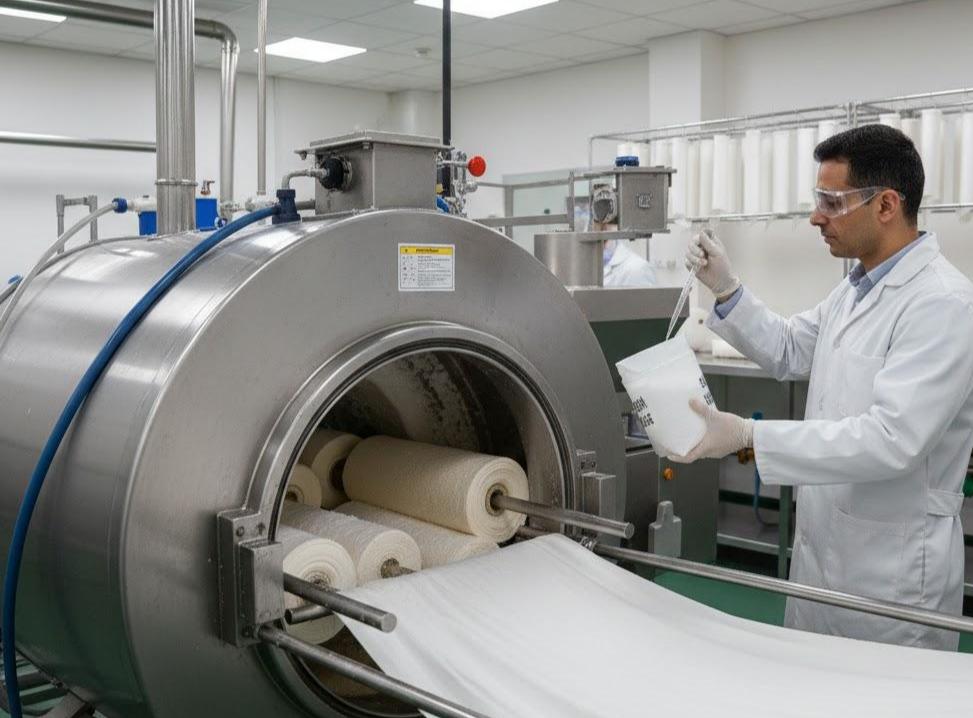
Aplikasi Utama Soda Caustic dalam Bahan Kimia Tekstil
Mercerization untuk Kain Kapas
Mercerization berarti mengobati kapas dengan soda kaustik. Ini tumbuh benang, reset molekul, dan meningkatkan kilau dan kekuatan. Soda kaustik granular Lakukan ini dengan lancar. Kami menggunakan kekuatan yang ditetapkan (biasanya 18-25%) dan panas untuk hasil yang stabil. Keuntungan mencakup cahaya seperti sutra, lebih banyak kekuatan tarik, dan masuknya pewarna yang lebih halus. Contoh pabrik Delta Sungai Yangtze kami menunjukkan hal ini. Output tumbuh sebesar 10% setelah mereka beralih ke item kami.
Desizing: Bagaimana Soda Kaustik Membantu
Desizing membersihkan hal-hal ukuran seperti pati dan minyak dari kain tenunan. Caustic soda memecahkan ini menjadi bentuk yang larut. Ini meningkatkan aliran air dan menghentikan pewarnaan bintik. Granul bersih kami mencampur dalam 40 menit pada 45-50 ° C. Mereka melewati menunggu dari jenis serpihan. Dengan demikian, mereka meningkatkan kecepatan kerja.
Penggosok: Meningkatkan Penyerapan Kain dan Menghapus Kekotoran
Pembersihan mencuci kain dengan memecahkan lilin, minyak, dan sisa-sisa. Caustic soda mengubah lemak menjadi sabun. Ini meningkatkan penyerapan untuk mewarnai yang lebih baik. Di BOINTE, item kami cocok dengan langkah-langkah pencucian dengan mudah. Mempendek waktu cuci. Ini juga mengurangi bahaya lingkungan dengan tingkat penggunaan hingga 98%.
Pemutihan: Kontribusi Soda Caustic untuk Keputihan dan Kemurnian
Dalam pemutihan, soda kaustik mempertahankan campuran, mengangkat pH untuk meningkatkan kerja pemutih, dan membersihkan warna. Ini menghentikan nada kuning dan menjaga kemurnian. Ini berpasangan dengan pengetahuan kami dalam perawatan air limbah untuk berjalan lebih bersih.
Pewarnaan dan Percetakan: Dampak Soda Caustic
Caustic soda membuat pewarna merendam secara merata, meningkatkan penahanan warna, dan menetapkan campuran cetak. Dalam pewarnaan reaktif, itu membentuk tautan yang kuat untuk warna yang tahan lama. Jenis granular kami menjaga kekuatan bahkan. Ini memotong kekurangan.
Reaksi Kimia dan Mekanisme
Hidrolisis Selulosa
OH-ion dari caustic soda break cellulose’ obligasi yang lemah. Pertumbuhan ini adalah kunci untuk mercerization.
Saponifikasi Lemak dan Minyak
Ini mengubah trigliserida menjadi sabun. Hal ini membantu membersihkan kotoran dalam membersihkan.
Reaksi Neutralisasi
Caustic soda menyeimbangkan asam setelah pemutihan. Hal ini menjaga pH tetap.
Reaksi dengan pewarna reaktif
Hal ini memungkinkan pewarna-benang bergabung dalam pengaturan dasar untuk warna tahan lama.
Dampak pada Tingkat pH
Campuran 5-10% mendorong pH di atas 12. Ini menyesuaikan langkah-langkah seperti mewarnai.
Manfaat Menggunakan Caustic Soda dalam Bahan Kimia Tekstil
Soda kaustik meningkatkan kecepatan kerja dengan mempercepat mercerization dan pembersihan. Ini meningkatkan kesetaraan pewarna. Plus, menghemat uang berkat pasokan yang mudah. Di sisi eko, ia bekerja dalam sistem tertutup ketika seimbang dengan benar. Dalam contoh pabrik kami, menggunakannya mengurangi waktu batch 25-30 menit. Dia menghemat lebih dari 25.000 yuan setiap bulan. Tidak ada masalah keselamatan. Ini menunjukkan nilainya.
Langkah-langkah Keselamatan untuk Menggunakan Soda Caustic dalam Bahan Kimia Tekstil
Simpan di tempat kering dan berawa jauh dari asam. Gunakan peralatan seperti sarung tangan dan penutup mata saat menangani. Keseimbangan limbah ke pH 6-9 sebelum membuang. Ikuti aturan. Di BOINTE, kami menekankan cara yang aman. Jenis granular kami memotong debu menjadi 0,3 mg / m³. Itu jauh di bawah batas.
Kesimpulan
Soda kaustik’ rentang dalam pekerjaan tekstil - dari mercerization ke panduan pH - sulit dikalahkan. Penggunaan cerdas menimbang keuntungan terhadap kebutuhan keselamatan dan lingkungan. Ketika cara baru tumbuh, itu tetap kunci. Di BOINTE, dengan pengalaman lebih dari sepuluh tahun, kami membawa perbaikan yang solid untuk pembeli dunia.
Kami fokus pada menyediakan soda kaustik granular bersih. Ini memiliki tingkat kemurnian 99%. Kami mengemasakannya dalam tas 25kg untuk penanganan dan pengiriman sederhana. Kami menawarkan soda kaustik yang bekerja dengan baik dalam aliran, pencampuran cepat, dan tingkat penggunaan yang tinggi. Apakah Anda’ mengoptimalkan kembali proses pewarnaan atau mencari solusi pra-perawatan yang efisien, produk kami memberikan hasil yang terbukti, seperti yang terlihat dalam studi kasus kami. Mencapai hari ini di BOINTE ENERGY CO., LTD. (Bahasa Indonesia) untuk mendiskusikan pilihan pasokan yang disesuaikan, pesanan massal, atau dukungan teknis.
Pertanyaan yang Sering Ditanyakan
Bagaimana caustic soda digunakan dalam industri tekstil?
Soda kaustik terutama digunakan untuk membersihkan dan merserisasi, menghilangkan kotoran dan meningkatkan penyerapan pewarna untuk kain yang lebih cerah dan tahan lama.
Apa fungsi kaustik dalam pencelupan?
Ini meningkatkan reaktivitas serat, memungkinkan penetrasi pewarna dan fiksasi yang lebih baik untuk warna yang rata dan cepat.
Apa peran dasar soda kaustik dalam berbagai proses?
Sebagai alkali yang kuat, membersihkan, menetralkan asam, dan memodifikasi bahan, sangat meningkatkan kualitas serat dalam tekstil.