
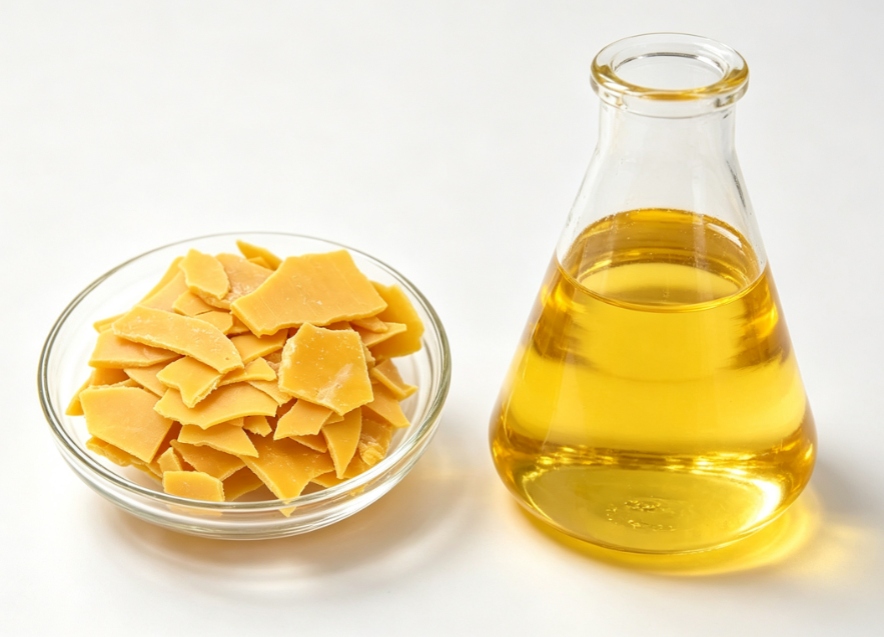
A buyer choosing sodium hydrosulfide is selecting a receiving, storage, preparation, and dosing workflow. Solid 60% NaHS flakes can suit concentrated shipment and controlled make-down, while liquid NaHS grades can fit plants equipped for direct transfer and metering. The right form matches the site process, delivered active content, safety controls, and verified supplier documentation.
One Chemical, Two Purchasing Realities
Both forms are sodium hydrosulfide (NaHS, CAS No. 16721-80-5), yet their commercial descriptions change the quotation. BOINTE lists a 60% solid NaHS product and liquid NaHS products across a 32% to 50% assay range. A 70% solid grade refers to sodium sulfide (Na2S), not sodium hydrosulfide. A qualified 나트리움 수화수황화 공급 업체 should quote the form, assay basis, packaging, and destination conditions together rather than offer a context-free unit price.
What the 60% solid NaHS offer includes
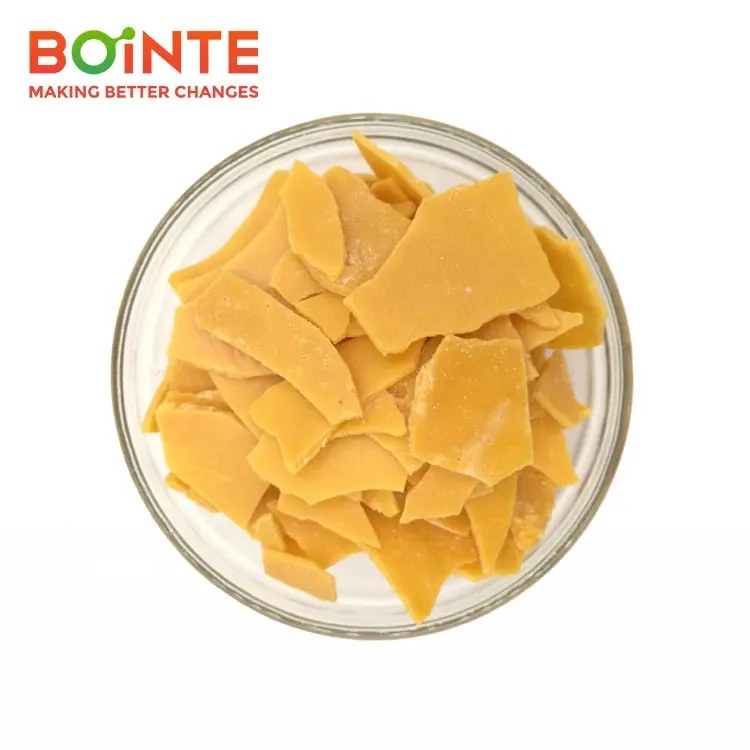
The solid offer is 60% sodium hydrosulfide in 25 kg, 900 kg, or 1,000 kg bags. Iron content is a key impurity indicator because it affects color: the solid product may appear red, yellow, or white, with higher iron generally producing a darker shade and lower iron a lighter shade. Procurement teams should compare the NaHS assay and iron content against the current COA rather than identify the product by color alone.
What the liquid offer changes
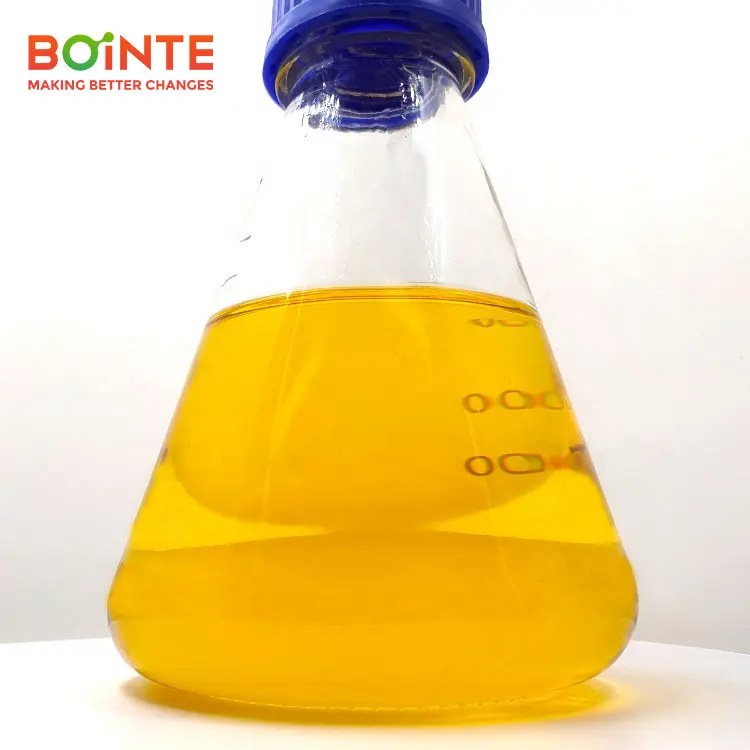
The liquid offer changes logistics more than chemical identity. BOINTE presents 32% to 50% liquid grades in drum and tank supply, with separate limits for sodium sulfide, sodium carbonate, and iron. Because current page fields differ on an intermediate concentration and one drum size, buyers should confirm the exact assay and package unit on the quotation.
Compare Each Form Against the Plant Workflow
A useful comparison starts with how material enters the process. Solid flakes require bag handling and controlled make-down before metering, whereas liquid NaHS requires compatible unloading, storage, and transfer equipment. Neither form is automatically more efficient; the decision depends on infrastructure, shipment distance, consumption, and the concentration basis used in cost calculations.
| Buyer factor | 60% solid NaHS | Liquid NaHS |
| Supplied form | Flakes in bags | Aqueous product in drums or tank supply |
| BOINTE assay description | 60% NaHS | 32% to 50% NaHS range |
| Listed packaging | 25 kg, 900 kg, or 1,000 kg bags | Drum and tank options; confirm current unit size |
| Plant preparation | Requires a controlled dissolution or make-down step | Can connect to liquid transfer and metering systems |
| Quote focus | Bag integrity, NaHS assay, iron content, color, and dissolution plan | Concentration, delivered mass, tank access, and unloading plan |
Calculate on active NaHS, not shipment weight
Delivered kilograms are not comparable when concentrations differ. Teams should calculate cost per unit of active NaHS after freight, packaging, unloading, make-down labor, storage, and expected handling losses. Use the guaranteed assay on the quotation or COA, not a generic concentration associated with the product name.
Check whether the site is truly liquid-ready
A liquid-ready site needs more than an empty tank. Review material compatibility, unloading access, containment, ventilation, pumps, metering, emergency response, and local storage rules. A solid-ready site needs deliberate bag opening, contact control, dissolution, solution storage, and feed verification.
Match the Form to the Real Application
BOINTE identifies the same broad industrial scope for solid and liquid NaHS, including copper ore beneficiation, raw-hide dehairing, sulfide-dye auxiliaries, textile processing, wastewater treatment, and viscose-fiber desulfurization. These sodium hydrosulfide uses should be stated in the inquiry, and the relevant sodium hydrosulfide application determines the preferred assay, package, unloading method, and documentation.
A quotation request becomes actionable when it includes:
- Application, target feed point, daily or monthly consumption, and required assay basis.
- Preferred solid bag or liquid delivery format, receiving limits, and destination port or plant.
- Required COA fields, SDS language, import documents, labeling, and inspection method.
- Requested Incoterm, delivery window, storage capacity, and replenishment plan.
Control Safety Before Comparing Price
Safety is a form-selection criterion. PubChem identifies sodium hydrosulfide as corrosive and reports that its solution can release hydrogen sulfide, with acids increasing the rate. Require the current SDS, a site-specific risk assessment, and confirmed ventilation, compatible materials, PPE, gas controls, and emergency procedures before receipt.
Concentration alone does not predict the safer choice. Liquid transfer may reduce manual make-down but adds unloading and tank-system exposure points; solid bags can simplify shipment but add opening and dissolution tasks. The safer option has engineered controls, trained operators, current documents, and a realistic receiving plan.
Build a Supplier Evidence Package
Supplier evidence should make the chosen form traceable from quotation to receipt. Review the current sodium hydrosulfide description alongside the formal specification, then require the quotation to identify concentration, package unit, batch documents, loading arrangement, and destination requirements. A web page supports screening, but signed commercial documents must control the order.
Resolve contradictions before the purchase order
Any mismatch in concentration, drum weight, impurity limit, or spelling should be resolved in writing. Whether the seller is a sodium hydrosulfide manufacturer or a sodium hydrosulfide distributor, the quotation, specification, COA format, SDS, packing list, and purchase order should describe the same product.
Use a form-specific acceptance check
Incoming inspection should reflect the purchased form. Solid orders need checks for bag identity, condition, lot marking, assay, and impurity fields; liquid orders need delivery identity, concentration basis, container details, seal condition, and transfer documents. Agree sampling and testing methods before shipment.
Choose the Form That Fits the Plant
Select 60% solid NaHS when the site can manage bags and controlled dissolution and values concentrated shipment; select liquid NaHS when compatible bulk or drum handling and direct metering offer an advantage. In both cases, compare active content, total delivered cost, application fit, safety controls, iron content, and consistent documents before approval.
Request a Form-Specific Quote
Share your application, target concentration, consumption, receiving equipment, packaging preference, destination, and document checklist. BOINTE can use those details when you request a sodium hydrosulfide quote, keeping the commercial offer tied to the plant’s actual workflow.
FAQ는
Is 60% solid NaHS always cheaper than liquid NaHS?
No. The comparison should use cost per unit of active NaHS plus freight, packaging, unloading, make-down, storage, and handling. A lower price per shipped tonne can be misleading when concentrations and plant requirements differ.
Which sodium hydrosulfide form is easier to dose?
Liquid NaHS may suit direct metering systems, while solid NaHS requires controlled dissolution before dosing. Ease depends on existing pumps, tanks, make-down equipment, automation, staffing, and safety controls rather than product form alone.
What concentration should a buyer specify?
The buyer should specify the concentration validated for the process and receiving system. BOINTE lists 60% solid NaHS and a 32% to 50% liquid NaHS range, but the exact offered grade belongs on the quotation and COA. A 70% solid product should be identified as sodium sulfide (Na2S), not sodium hydrosulfide (NaHS).
Can solid and liquid NaHS use the same purchase specification?
They should share core identity and compliance fields, but form-specific sections are necessary. Packaging, concentration basis, impurity limits, unloading, sampling, storage, and acceptance checks differ enough to require separate purchase specifications.
What documents should arrive before shipment?
Request the confirmed specification, COA format, current SDS, packaging statement, labeling details, transport and import documents, Incoterm, and delivery plan. Resolve any inconsistent product value before issuing the final purchase order.