

소개
Copper mining requires trustworthy reagents. This is because recovery goals, ore difficulty, and delivery stress are constantly growing. Sodium hydrosulfide, also known as sodium hydrosulphide, sodium hydrogen sulfide, or NaHS sodium hydrosulfide, has grown increasingly essential for copper ore beneficiation and mineral processing. At 보인테, we provide sodium hydrosulfide for industrial purchasers. These buyers require consistent quality, clear paperwork, and reliable export assistance for prolonged mining activities.
How Does Sodium Hydrosulfide Work in Copper Ore Beneficiation?
Sodium hydrosulfide uses in copper mining are mainly connected with flotation control and mineral separation. In many copper operations, NaHS is used as a reagent to support selective flotation. It may be used in processes where copper and molybdenum separation is required, or where sulfide chemistry helps improve the response of certain ore types.
The true benefit for a mining facility originates from process stability. A copper concentrator does not purchase sodium hydrosulfide merely as a raw material. Instead, it buys dependable active content and controllable impurity limits. It also secures sturdy packaging and delivery schedules that align with production plans. If the reagent shows up late or fluctuates excessively in grade, the impact can hit the grinding circuit, flotation cells, reagent holding zone, and procurement office simultaneously.
For this reason, mining buyers often evaluate NaHS with several practical questions. Can the grade match the dosing system? Can the packaging survive long-distance transport? Can the supplier provide the required SDS and COA? Can repeat shipments maintain similar quality? These questions are more useful than a simple price comparison.
What Product Form Fits Copper Mining Buyers?
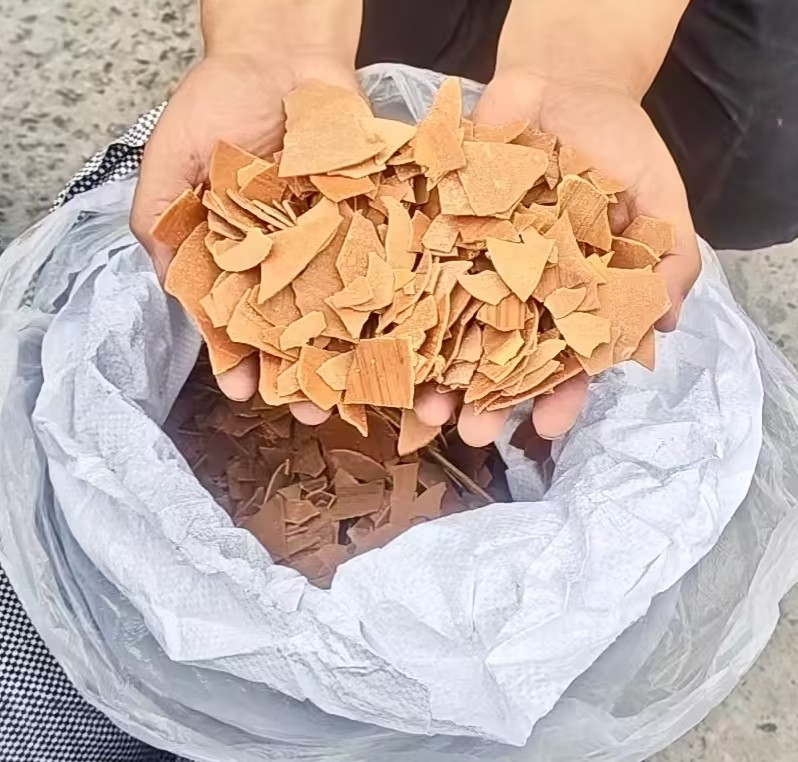
Sodium hydrosulfide is available in solid or liquid formats. The appropriate format relies on plant design, transit length, dosing technique, and holding environments. It also depends on regional chemical safety regulations. For global purchasers, solid sodium hydrosulfide is frequently appealing. This is because it is simpler to organize for export, holding, and containerized freight. Liquid sodium hydrosulfide might accommodate facilities that possess direct dosing machinery or regional bulk handling capabilities.
| Product form | Typical concentration | Common packaging | Buyer focus | Suitable purchasing scenario |
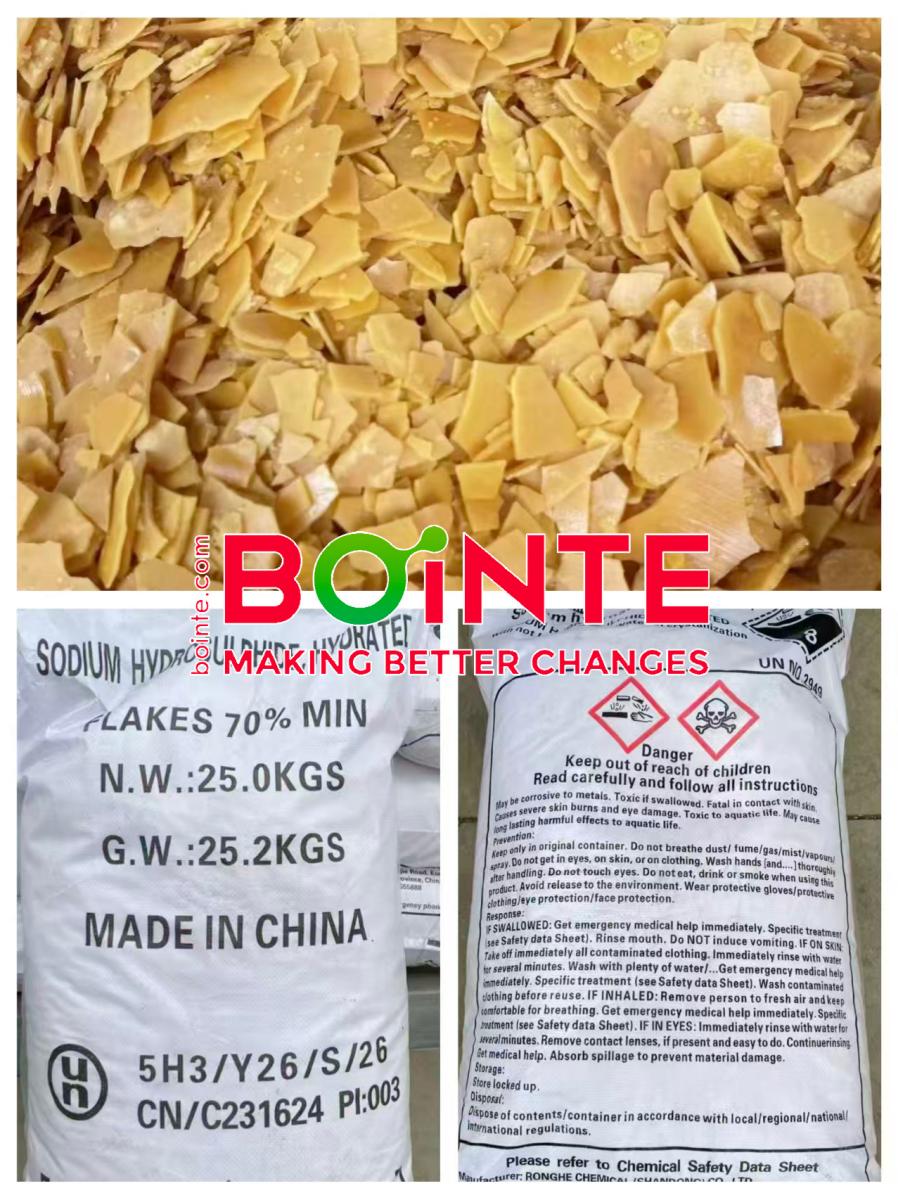
| Solid sodium hydrosulfide | 70% min | 25 kg / 900 kg / 1000 kg bag | Higher active content, export storage, batch purchasing | Mining buyers, distributors, long-distance importers |
| Liquid sodium hydrosulfide | 32% / 40% / 50% grades | 240 kg / 1200 kg drum or tank shipment | Easier dosing, plant-side handling, bulk use | Plants with liquid storage and dosing equipment |
| Distributor stock | Based on order plan | Bag, drum, or tank | Fast replenishment, local inventory, flexible resale | Regional mining reagent traders |
| Project supply | Based on plant demand | Planned shipment lots | Stable specification, documentation, delivery schedule | Copper mining projects with continuous production |
Specification control is important. For solid 70% sodium hydrosulfide, buyers usually pay attention to NaHS content, iron level, sodium sulfide content, and water-insoluble matter. For liquid products, concentration consistency matters because dosing systems depend on predictable active content. In both cases, the commercial value comes from a stable supply as much as from chemical strength.
What Should Mining Buyers Check Before Selecting a Supplier?
A sodium hydrosulfide supplier should be evaluated through both product and service capabilities. Mining buyers need material that works in the plant, but they also need a supplier that understands international chemical trade. A strong quotation should make the specification, packaging, quantity, shipment term, and document scope clear from the beginning.
The first point is concentration. Buyers should confirm whether the order is for solid 70% NaHS or liquid sodium hydrosulfide. The second point is packaging. Bags, drums, and tank shipments have different handling needs, transport costs, and destination restrictions. The third point is documentation. SDS, COA, packing details, and shipping documents should be prepared according to the destination market.
The fourth point is supply continuity. Copper mining does not operate like a one-time spot purchase. It needs repeat shipments, predictable lead times, and communication when port conditions, freight rates, or local holidays affect delivery. The fifth point is after-sales support. If the buyer needs specification confirmation, shipment tracking, or product selection advice, the supplier should respond quickly and clearly.
Why Do Distributors Play a Bigger Role in Mining Reagent Supply?
A sodium hydrosulfide distributor can assist mining sectors where purchasers favor regional inventory, smaller loads, or quicker delivery timeframes. Distributors frequently supply multiple mines, chemical facilities, leather plants, and water treatment clients within the same territory. Their significance relies on having a partner who can facilitate bulk procurement and steady restocking.
For distributors, the primary hurdle is risk management. Sodium hydrosulfide is a hazardous industrial substance. Therefore, inadequate packaging, vague labels, absent papers, or erratic delivery timing can ruin client confidence. A distributor also requires sufficient adaptability to supply diverse purchasers. Some clients might require solid flakes in bags, whereas others might ask for liquid grades in drums or tanks.
Good distributor supply is built around planning. Regular forecast sharing, clear inventory targets, and stable specification records can help reduce emergency purchasing. This is especially important in regions where mining demand grows faster than local chemical storage and logistics capacity.
How Will Copper Mining Shape Future NaHS Demand?
Copper mining will continue to shape NaHS demand because mineral processing plants need reagents that support recovery and separation efficiency. As mining projects expand in Africa, South America, and other resource regions, buyers will pay closer attention to suppliers that can combine product quality with export reliability.
The sodium hydrosulfide market will not be driven by mining alone, but mining will remain one of the most important high-value application fields. Leather, dyes, wastewater, fibers, and chemical synthesis will continue to create steady industrial demand. However, copper mining gives NaHS a stronger project-based demand pattern. Large plants require stable supply plans, while new projects often need early supplier qualification before full production begins.
For purchasing teams, this creates a clear direction. The best supplier choice is not only about one shipment. It is about repeatable quality, safer handling, practical packaging, and a supply chain that can support the mine through changing freight, market, and inventory conditions.
결론
Sodium hydrosulfide demand is rising in copper mining because buyers need better flotation support, stronger supply reliability, and safer international chemical delivery. Price still matters, but quality, stability, documentation, packaging, and repeat supply now carry greater weight in procurement decisions. At BOINTE, we support global buyers with sodium hydrosulfide products, export coordination, and practical supply communication for mining and industrial use. To discuss current pricing, packaging options, or shipment planning, visit 보인트 에너지 CO., LTD and send your inquiry for an online quotation.
FAQ는
How can I get a sodium hydrosulfide quotation for copper mining use?
An offer generally requires concentration, format, volume, destination harbor, packaging style, and anticipated delivery timeframe. Purchasers can also submit their necessary specifications or COA goal so the provider can verify the appropriate grade prior to pricing.
What documents should come with sodium hydrosulfide shipments?
Standard papers encompass COA, SDS, packing list, commercial invoice, bill of lading, and additional transit or import records demanded by the destination region. Hazardous chemical freight must be inspected thoroughly prior to booking.
Is solid or liquid sodium hydrosulfide better for mining plants?
Solid sodium hydrosulfide is often easier for export storage and long-distance shipment. Liquid sodium hydrosulfide may fit plants with liquid tanks and dosing systems. The better choice depends on handling equipment, dosage plan, and logistics cost.
Can a distributor buy sodium hydrosulfide for regional resale?
Yes. A distributor can purchase sodium hydrosulfide for regional mining, leather, dye, wastewater, or chemical customers. The key is to confirm local storage rules, packaging needs, demand forecast, and repeat replenishment schedule.