
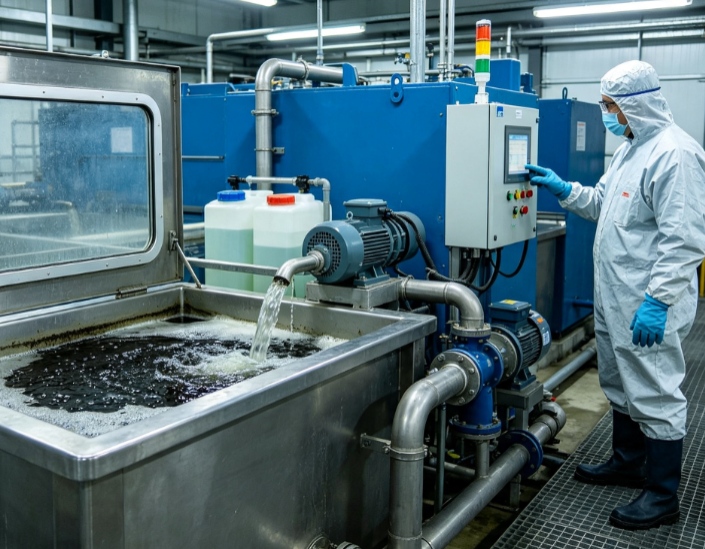
For mining, metal-finishing, and industrial wastewater teams, sulfide precipitation changes dissolved metal ions into solid particles. These particles are easy to filter. Sodium sulfide acts as a strong sulfide source for industrial wastewater treatment. However, good metal removal relies on knowing the precipitation reaction. It also requires understanding the daily operating conditions and overall treatment needs. After confirming the basic chemical process, buyers can easily assess dosing control. They can also review product specifications and supply details.
Why Sulfide Precipitation Works
The main reaction is straightforward. Dissolved metal ions bond with sulfide. This creates metal sulfides that barely dissolve in water. EPA documents explain how to turn metals into solid matter. You can then settle or separate these solids. This chemical forms just one part of a larger treatment system. That system might involve adjusting the pH and mixing the water. It often includes clarification, filtration, and managing the leftover sludge.
The chemistry behind metal precipitation
The target contaminant determines the precipitation pathway. Copper removal occurs through insoluble copper sulfide (CuS) formation and mercury treatment through mercury sulfide (HgS) precipitation. In industrial systems, factors such as dosage, pH range, residence time, and solid-liquid separation conditions should be established through site wastewater data and controlled testing.
Sodium sulfide is not a universal substitute for every wastewater chemical or unit operation. A treatment designer still needs to characterize influent metals, competing ions, pH, oxidation conditions, solids loading, and discharge requirements. A sound treatment plan starts with jar testing and ends with a monitored operating procedure, rather than a fixed dose copied from another plant.
- Confirm the target metals and their starting concentrations before selecting a dose.
- Check pH, mixing energy, reaction time, and the expected solids-handling route.
- Define how sulfide residual, odor control, and worker protection will be managed under local rules.
- Measure clarified-water quality and sludge behavior during the trial, not only the initial reaction.
Select Na2S Flake Format for Plant Handling
After confirming the treatment chemistry and operating conditions, buyers should also consider how sodium sulfide is supplied and handled in daily operations. Product format influences storage arrangements, dissolution methods, and feed system planning.
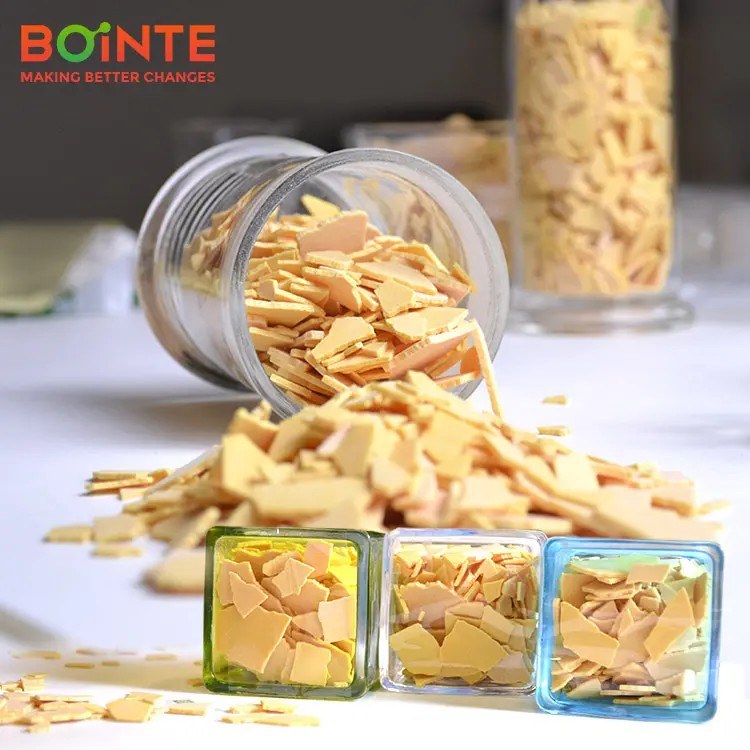
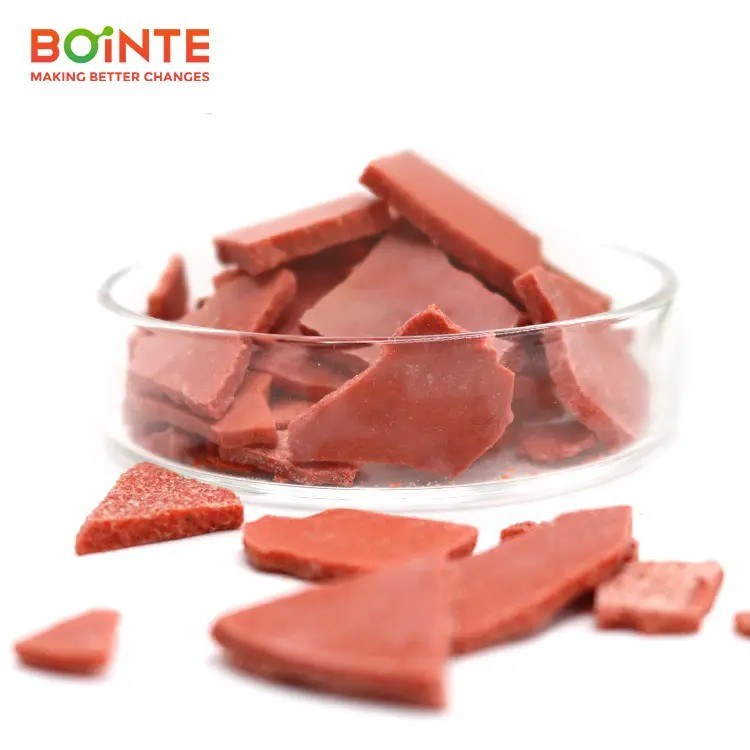
Product format affects receiving, storage, dissolution, and feed planning. BOINTE supplies sodium sulfide in 60% red and yellow flakes, both identified with CAS No. 1313-82-2 and offered in 25 kg, 900 kg, or 1,000 kg bags. These are procurement facts, not a promise that color changes wastewater performance.
A buyer comparing uses of sodium sulfide should separate chemistry from logistics. The same objective may require different unloading, dissolution, or replenishment arrangements for small bags versus bulk bags. Ask the supplier to confirm grade, packaging, documentation, and destination shipping classification before ordering.
| Format | Assay | Verpackung | Evidence-supported fit |
| Red flakes | 60% | 25 / 900 / 1,000 kg bags | CuS and HgS precipitation; fluoride wastewater treatment |
| Yellow flakes | 60% | 25 / 900 / 1,000 kg bags | CuS and HgS precipitation; fluoride wastewater treatment |
Red or Yellow? Verify the Treatment Fit
Color should be treated as an identification and purchasing detail, not as a shortcut for process design. A responsible sodium sulfide supplier should help the buyer align the exact product description with the trial protocol, SDS review, incoming inspection, and destination-country requirements.
Questions to Send With a Quote Request
A complete inquiry makes the sodium sulfide application easier to assess. Include the following operating information:
- Target metal ions, concentration range, daily flow, and current pH.
- Required package size, monthly volume, receiving equipment, and delivery port.
- Whether the trial needs red flakes, yellow flakes, or a documented comparison.
Build a Controllable Wastewater Dosing Plan
A useful trial links chemical addition to measurable water-quality outcomes. Start with representative samples, prepare a controlled sulfide feed under the site’s safety procedure, and compare settling and filtration across a small dose range. The goal is a workable operating window, not a universal removal percentage.
A dosing plan is strongest when measurement is agreed before the first batch arrives. Record influent and treated-metal results, pH, mixing and settling time, visible solids, sulfide residual, and sludge volume. This distinguishes chemistry problems from mixing, separation, or sampling problems.
Bench test before full-scale dosing
Jar testing is a low-risk way to compare dose and pH conditions before changing a production line. Use actual wastewater when possible, keep handling consistent, and document when additional sulfide no longer improves clarified water. The data can guide a pilot feed rate and define shift control checks.
Handling and compliance checks
Chemical handling controls belong in the purchase decision. Review the SDS, local hazardous-material rules, ventilation, PPE, emergency response, bag-opening method, and storage compatibility. Confirm shipping and import documents. These checks prevent a technically suitable chemical becoming operationally unsuitable.
Why B2B Buyers Need Supplier Evidence
In industrial chemical procurement, treatment performance is only one part of the decision. Buyers also need to evaluate product documentation, packaging reliability, and supply capability alongside price. BOINTE’s sodium sulfide range provides a defined flake description, stated 60% assay, CAS number, packaging choices, and a documented wastewater application scope. These details help buyers compare sodium sulfide products based on both technical requirements and procurement conditions before requesting a destination-specific offer.
A sodium sulfide supplier conversation should cover lot documentation, packaging condition, loading plan, lead time, and compliant-quotation data. This evidence helps buyers compare uses of sodium sulfide without confusing applications.
Evidence to request
- Product name, assay description, CAS number, packaging, and current SDS.
- A clear statement of which product page and application scope apply to the quote.
- Shipping documents, destination requirements, and a realistic delivery plan.
Before confirming an order, buyers should review product specifications, application details, SDS documents, and other required technical information.
Request a Project-Specific Review
Wastewater chemistry varies by process, so the next step should be a bounded technical conversation. Share the target metals, flow, pH, solids-handling equipment, package preference, and destination. You can request a sodium sulfide quote with those details so the commercial response stays connected to the treatment objective.
FAQ (häufig gestellte Fragen)
Can sodium sulfide remove copper from wastewater?
Yes, sulfide can change dissolved copper ions into solid copper sulfide particles. This happens under carefully controlled conditions. BOINTE lists CuS precipitation in its wastewater application guide. Real results depend heavily on the wastewater makeup and the pH. The dose, the mixing speed, and the solids separation also matter. Therefore, you must confirm the best operating window through realistic testing.
Is sodium sulfide suitable for mercury-containing wastewater?
Sodium sulfide works well for mercury sulfide precipitation. BOINTE includes mercury-tainted wastewater as a valid application. However, mercury projects demand very strict sampling and containment. They require strong worker protection and thorough legal reviews. Never pick a dose based on a general example of sodium sulfide uses. Instead, create a fully documented test and a safe waste-management plan.
What are the main sodium sulfide uses in water treatment?
The most common sodium sulfide uses in water treatment involve heavy-metal precipitation. It is also used in processes for treating wastewater that contains fluoride. You will find other sodium sulfide uses in manufacturing and metalworking. However, a water-treatment buyer must link the purchase specs to the specific pollutant. The specs must also match the treatment process and the final discharge rules.
Should I buy red or yellow sodium sulfide flakes?
Both BOINTE options are sold as 60% sodium sulfide flakes. They both use CAS No. 1313-82-2 and offer identical bag choices. Color by itself should never determine the treatment fit. Always ask the sodium sulfide supplier to verify the exact grade and the paperwork. Check the packaging and the trial needs for your facility and location before you order.
What information should a supplier quote include?
A helpful quote clearly shows the product form and the stated assay. It lists the package size, the total amount, and the delivery terms. It covers the destination, the paperwork, and any SDS or import rules. Always share your specific application, target metals, water flow, pH, and timeline. This lets the sodium sulfide supplier answer your real operating needs instead of giving a generic response.