

Introducción: Por qué el formato de sodio importa en la construcción moderna
La industria mundial de la construcción está navegando actualmente por un período de rápida evolución, impulsado por las dobles presiones de los plazos acelerados de los proyectos y los estrictos mandatos ambientales. A medida que se intensifica la urbanización, la demanda de hormigón de alto rendimiento que puede curarse más rápido, incluso en condiciones climáticas adversas, nunca ha sido mayor. Los aditivos químicos han pasado de mejoras opcionales a componentes esenciales en formulaciones modernas de cemento.
Entre estos, el formiato de sodio (HCOONa) ha surgido como un aditivo funcional crítico. A diferencia de los aceleradores tradicionales que pueden comprometer la integridad estructural a largo plazo a través de la corrosión, el formiato de sodio ofrece un perfil equilibrado de eficiencia y compatibilidad con los materiales. Su creciente adopción es una respuesta directa a la necesidad de la industria de soluciones rentables, bajas en carbono y de alta productividad.
¿Qué es el formato de sodio?
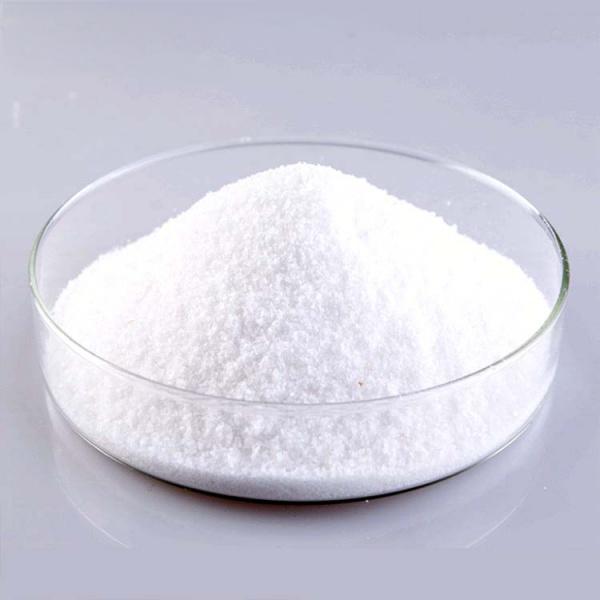
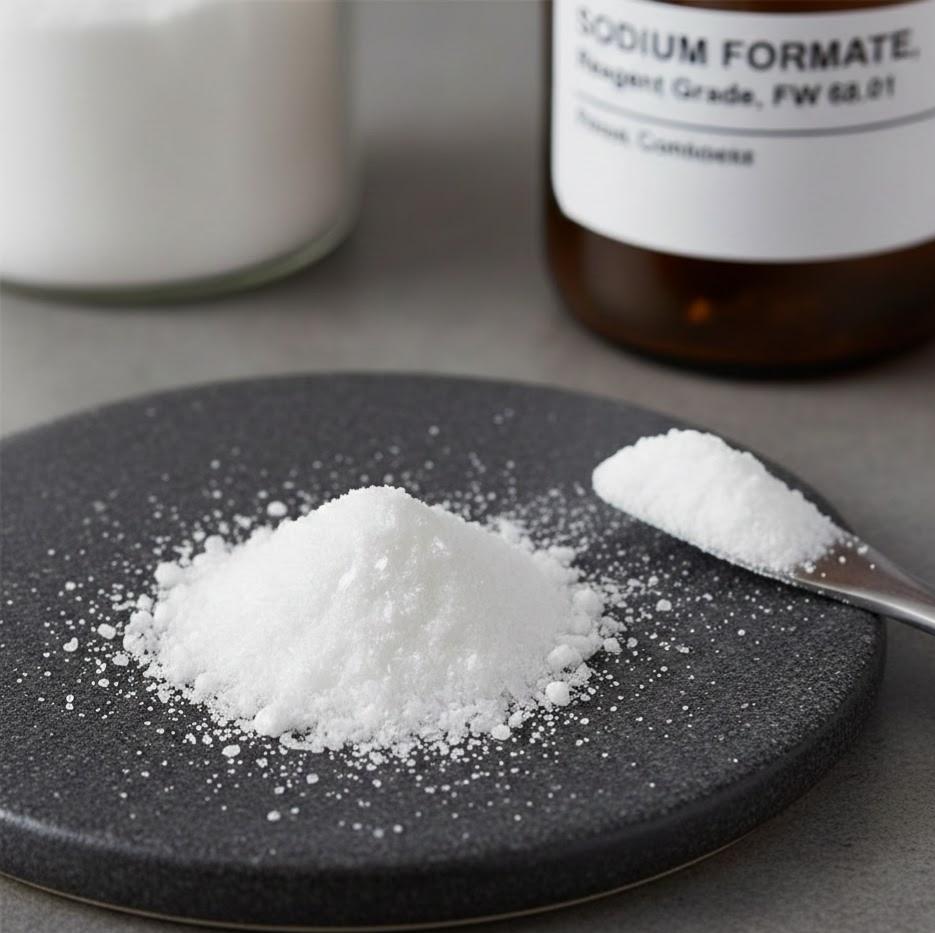
El formiato de sodio es la sal de sodio del ácido fórmico, identificada por el número CAS 141-53-7. Físicamente, típicamente aparece como un polvo cristalino blanco o sustancia granular con ligera higroscopicidad. En aplicaciones industriales, se comercializa más comúnmente en un grado de pureza del 98% (formiato de sodio 98%) para garantizar una reactividad química consistente.
Más allá de la construcción, sirve como un intermedio químico versátil. Es fundamental en la producción de ácido fórmico y ácido oxálico, y actúa como agente reductor en la síntesis de hidrosulfito de sodio. Su alto Solubilidad de formiato de sodio en agua- aproximadamente 97 g/100 ml a 20°C - hace que sea excepcionalmente fácil de integrar en mezclas líquidas o morteros de mezcla seca.
El papel del formato de sodio en los materiales de construcción
Formato de sodio como acelerador de hormigón
El uso primario de formiato de sodio en la construcción es como acelerador de endurecimiento sin cloruro. Funciona acelerando la reacción química entre el agua y el cemento, dirigida específicamente a las primeras etapas del proceso de hidratación.
- Desarrollo temprano de la fuerza:El formiato de sodio promueve la rápida formación de geles de hidrato de silicato de calcio (C-S-H), que son responsables de la resistencia de la matriz de hormigón.
- Rendimiento en frío:A temperaturas por debajo de 5°C, la hidratación del cemento se ralentiza significativamente. El formiato de sodio actúa como un acelerador “anticongelante”, bajando el punto de congelación del agua de los poros y asegurando que el desarrollo de la fuerza continúe en condiciones inferiores a cero.
Funciona como aditivo de cemento y hormigón
Como aditivo de cemento y hormigón, el formiato de sodio influye en la cinética de hidratación del silicato de tricalcio. Acorta el período de inducción de la pasta de cemento, lo que conduce a una transición más rápida de un estado plástico a un estado endurecido. Esto es particularmente útil en componentes de hormigón prefabricados, donde las formas deben ser desmontadas y reutilizadas en un plazo de 24 horas para mantener la eficiencia de producción.
| Características | Impacto en el hormigón |
| Cinética de hidratación | Reduce el tiempo de ajuste sin aumentar la demanda de agua. |
| Compatibilidad | Funciona eficazmente con cementos Portland Tipo I-V y cementos mezclados. |
| Funcionabilidad | Mantiene la fluidez (caída) mientras acelera la fase de endurecimiento. |
Beneficios clave del uso de formato de sodio en aplicaciones de hormigón
Configuración más rápida y ganancia temprana de fuerza
El beneficio más inmediato del formiato de sodio es la reducción de los ciclos de construcción. Al lograr una mayor resistencia temprana (por ejemplo, alcanzar el 70% de la resistencia del diseño en 3 días en lugar de 7), los contratistas pueden:
- Retire el encofrado antes.
- Acelerar la aplicación de cargas o acabados posteriores.
- Reducir la necesidad de calefacción externa en los períodos de invierno.
Libre de cloruro y riesgo reducido de corrosión
Los aceleradores tradicionales a menudo se basaban en cloruro de calcio. Sin embargo, los cloruros son notorios por promover la corrosión del refuerzo de acero (rebar). El formiato de sodio está libre de cloruro, lo que lo convierte en la opción preferida para estructuras de hormigón armado, como puentes y cimientos de altura, donde la durabilidad a largo plazo no es negociable.
Estabilidad de rendimiento a través de los climas
Ya sea que se utilice en el árido Oriente Medio o en las regiones congeladas del norte de Europa, el formiato de sodio proporciona un comportamiento fiable. Su Solubilidad de formiato de sodio asegura una distribución uniforme dentro de la mezcla, evitando “puntos calientes” de sobreaceleración que pueden conducir a grietas térmicas.
ESG y Ventajas de sostenibilidad
A medida que la industria se mueve hacia los estándares de “Edificio Verde”, el perfil químico de los aditivos está bajo escrutinio. El formato de sodio se alinea con las estrategias de construcción sostenible:
Biodegradabilidad: Es una sal orgánica respetuosa con el medio ambiente que se descompone más fácilmente que los aditivos inorgánicos a base de metales pesados.
Reducción del consumo energético: Al permitir que el hormigón se cure naturalmente en clima frío, reduce la huella de carbono asociada con el curado al vapor o calentadores de espacio alimentados por combustibles fósiles en el sitio.
Sinergia del tratamiento de residuos: Curiosamente, el formiato de sodio también se utiliza en el tratamiento de aguas residuales que contienen metales pesados, lo que refleja su compatibilidad con los protocolos de protección ambiental.
Casos de uso típicos de la construcción
Proyectos de Infraestructura: Las carreteras y puentes a menudo requieren reparación rápida y reapertura al tráfico. El formiato de sodio permite la reparación de morteros de alta resistencia temprana.
Hormigón prefabricado: En los entornos de fábrica, la velocidad de rotación determina la rentabilidad. El formato de sodio asegura un endurecimiento constante y rápido de los segmentos.
Estructuras marinas y residuales: Debido a que ayuda a estabilizar los tintes y puede ayudar en el tratamiento de aguas residuales, a menudo se utiliza en hormigones industriales especializados.
Morteros de mezcla seca: Su forma en polvo lo convierte en un ingrediente ideal para papillas de suelo y adhesivos para azulejos de "ajuste rápido" en bolsas.
Dosificación, manejo y consideraciones de aplicación
Mientras que la dosificación varía en función de la marca específica de cemento y la temperatura ambiente, los rangos típicos para Aplicación de formato de sodio caer entre el 0,5% y el 2,0% en peso de cemento.
- Manejo:El formiato de sodio generalmente se clasifica como no peligroso, pero los EPI estándar (guantes y máscaras) se recomiendan debido a su naturaleza en polvo fino.
- Almacenamiento:Debe almacenarse en un lugar fresco y seco. BOINTE ENERGY CO., LTD. (en inglés) enfatiza que el almacenamiento profesional de mercancías peligrosas y el envasado estandarizado son esenciales para mantener la calidad de las exportaciones químicas, evitando la absorción de humedad que podría causar embotellamiento.
- Compatibilidad:Es altamente compatible con superplastificantes a base de policarboxilato y agentes de arrastre de aire.
Comparación con otros aditivos basados en formatos
Mientras que el formiato de sodio es ampliamente utilizado, el formiato de calcio es otra alternativa común.
- Formato de sodio:Mayor solubilidad, lo que lo hace mejor para mezclas líquidas. También proporciona una ligera ventaja en la reducción del punto de congelación del agua.
- Formato de calcio:Se utiliza a menudo en morteros de mezcla seca donde se desean iones de calcio adicionales para rutas de hidratación específicas.
La elección a menudo depende del precio de mercado del formiato de sodio y los requisitos específicos para la reactividad alcalino-agregado (AAR) en la región local.
Perspectiva del mercado global para el formato de sodio de grado de construcción
La demanda de formato de sodio de grado de construcción está aumentando en Asia, Oriente Medio y África. En el sudeste asiático, por ejemplo, el auge de la fabricación y la mejora de la infraestructura ha creado una demanda masiva de productos químicos industriales fiables.
El éxito en este mercado depende de más que solo el propio producto químico; Requiere una cadena de suministro robusta. BOINTE ENERGY CO., LTD. (en inglés) Aprovecha las ventajas logísticas del puerto de Tianjin, incluyendo 214 rutas de envío internacionales y almacenamiento especializado, para garantizar que los productos químicos de alta pureza lleguen a los sitios de construcción globales sin demora. Su experiencia en la navegación por normas internacionales como REACH de la UE y SGS del sudeste asiático garantiza que el formato de sodio proporcionado cumple con los requisitos regulatorios locales del sector de la construcción.
Conclusión: Una opción práctica y sostenible para la industria de la construcción
El formato de sodio representa un sofisticado equilibrio entre rendimiento, seguridad y responsabilidad ambiental. Al proporcionar una vía libre de cloruro para el curado acelerado del hormigón y el desarrollo temprano de resistencia, resuelve los desafíos más apremiantes de la gestión moderna del sitio.
Como proveedor “orientado a soluciones”, BOINTE ENERGY CO., LTD. (en inglés) continúa integrando su experiencia en exportación de productos químicos de una década con las necesidades en evolución de los sectores de la energía y la construcción. Para desarrolladores y contratistas que buscan optimizar sus formulaciones de hormigón, el formiato de sodio no es solo un aditivo; es una inversión estratégica en la durabilidad estructural y la eficiencia del proyecto.
Preguntas frecuentes (FAQ)
¿El formiato de sodio causa “eflorescencia” (mancha blanca) en superficies de hormigón?
Cuando se usa a la dosis recomendada (generalmente < 2% del peso del cemento), el formiato de sodio no contribuye significativamente a la eflorescencia. Debido a su alta solubilidad, se integra bien en la estructura cristalina de la pasta de cemento durante la hidratación.
¿Es seguro el formiato de sodio para hormigón armado con acero de alta tensión?
- Sí. - Sí. A diferencia del cloruro de calcio, el formiato de sodio es un acelerador sin cloruro. No promueve la corrosión electroquímica de la barra de acero, lo que la hace segura para puentes, hormigón pretensado y fundaciones de altura.
¿Cómo se compara el formiato de sodio con el sulfato de sodio como aditivo de hormigón?
Mientras que los usos anhidros del sulfato de sodio incluyen actuar como un potenciador de la fuerza en la etapa tardía, el formiato de sodio es más eficaz como un acelerador para el endurecimiento temprano y la protección contra el frío. El formiato de sodio también tiene un menor riesgo de causar problemas de expansión relacionados con el sulfato en ciertos tipos de cemento.
¿Puedo usar formato de sodio en proyectos certificados “Green Building”?
- Sí. - Sí. El formiato de sodio es a menudo preferido en la construcción verde porque es biodegradable y reduce la energía necesaria para el curado térmico del hormigón en climas fríos. Se alinea bien con LEED y otros marcos de sostenibilidad.
¿Cuál es la vida útil del formato de sodio de grado de construcción?
Cuando se almacena en sus bolsas originales selladas de 25 kg en un almacén seco y ventilado, el formiato de sodio típicamente tiene una vida útil de 24 meses. El almacenamiento adecuado es crucial porque su naturaleza higroscópica puede conducir a agrupaciones si se expone a una alta humedad.