

Introduction
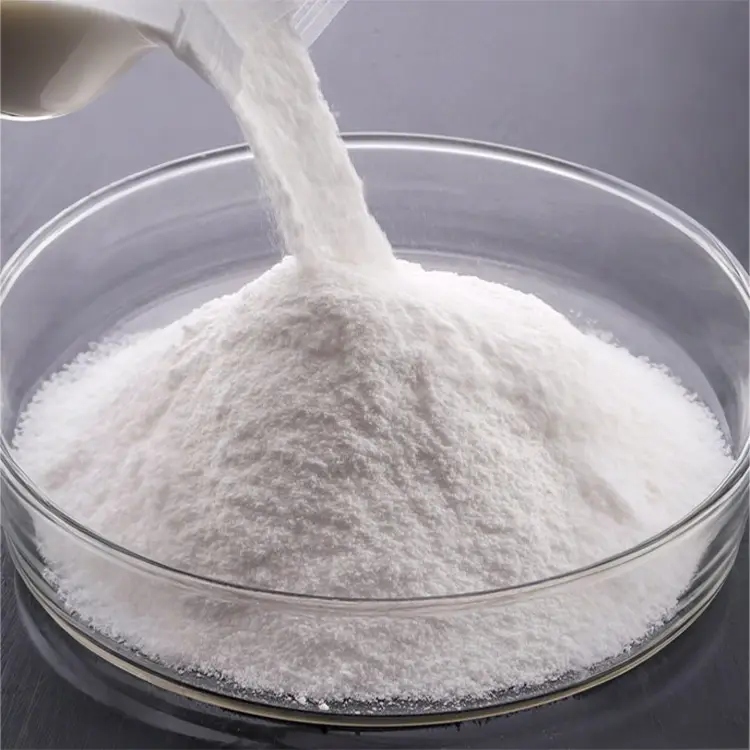
Sodium sulfate serves as a handy inorganic substance. People know it well for its steady chemical makeup and broad industrial roles. It consists of sodium, sulfur, and oxygen. The formula is Na₂SO₄. Among its several versions, sodium sulfate anhydrous, or simply anhydrous sodium sulphate, stands out for its pure quality and strong ability to take in water. This material looks like a white powdery crystal. It has no smell, causes no harm, and dissolves easily in water.
Sulfato de sodio anhidro Details: CAS NO.:7757-82-6 Package: 25kg/50kg/1000kg bag. These specs show its fit for heavy industry. Its flexibility suits many fields. These include making glass, producing paper, handling textiles, creating detergents, working in pharmaceuticals, and crafting paints. In fact, the uses of sodium sulfate in drying tasks and paint making show its key role. It works as a useful addition and boosts performance.
What is Sodium Sulfate and Its Types?
Sodium sulfate means the sodium salt of sulfuric acid. It shows up in nature as mirabilite, which is the decahydrate form, or thenardite, the anhydrous type. The version with water holds moisture inside its crystal setup. Yet, the dry version has no such water.
The gap between these kinds comes from their basic traits and practical roles. Hydrated sodium sulfate, or Na₂SO₄·10H₂O, fits spots where steady water release matters. However, sodium sulfate anhydrous lacks those water parts. Thus, it excels as a drying tool because it pulls in moisture well.
Sodium sulfate anhydrous also holds up well in hot settings. This sets it apart from other salts in factory work. It avoids quick reactions with nearby items under usual setups. As a result, it gives steady outcomes in production steps that need tight control on wetness levels.
Applications of Sodium Sulfate in Industrial Processes
Drying Agent
One main role for sodium sulfate is as a drying agent. The dry version soaks up leftover water from liquid organics or solid items. It does this without any chemical clash with them. This trait makes it vital in labs and factories. There, extra water might harm item quality or slow down reactions.
The way it works ties to the dry form turning into wet crystals. It grabs water bits from around it. When set against other drying tools like magnesium sulfate or calcium chloride, sodium sulfate anhydrous brings perks. These include cheaper cost, neutral chemistry, and simple reuse after jobs.
Sectors like pharmaceuticals, food handling, and coatings depend on it often. They use it to keep items steady during storage or mixing phases.
Paint Production
In making paint, sodium sulfate plays a big part in keeping mixes stable and improving feel. It serves as a filler. This helps manage thickness and spreads color bits evenly in the blend. Plus, it adjusts drying speed by evening out how fast solvents fade. That is a crucial point for getting even, smooth layers.
Sodium sulfate boosts paint strength too. It cuts down risks of splits or spotty colors after putting it on. Such gains make it a solid choice in both home paints and tough industrial types for hard spots.
Is Sodium Sulfate a Drying Agent?
Yes—sodium sulfate counts as a drying agent for sure. It links up with water bits quickly. This suits it for clearing small amounts of water from many items. When looking at how well desiccants work, sodium sulfate shines. It avoids corrosion and saves money. At the same time, it holds a good pull for water in normal setups.
Unlike silica gel or molecular sieves, which might need more energy to refresh or special gear to handle, sodium sulfate keeps things simple. It delivers solid results. That is a key point for big factory runs that want cheap fixes.

Benefits of Sodium Sulfate in Various Industries
The sodium sulfate benefits reach many areas because of its wide-ranging nature:
| Industry | Primary Uses | Key Benefits |
| Glass Manufacturing | Flux agent lowering melting temperature | Reduces energy consumption; enhances transparency |
| Paper Production | Bleaching enhancer | Improves whiteness; increases strength |
| Textile Dyeing | Dye uptake promoter | Enhances color uniformity; reduces waste |
| Detergent Production | Filler/builder | Improves cleaning performance; softens hard water |
| Pharmaceuticals | Laxative/external solution component | Provides safe therapeutic applications |
It acts as a flux, which can lower the melting temperature of glass raw materials, reduce energy consumption, and at the same time improve the transparency and chemical stability of glass.
When added during the pulping process, it can enhance the bleaching effect of pulp, making the paper whiter in color; it can also increase the strength and flexibility of paper.
When dyeing with dyes (especially direct dyes and reactive dyes), adding Glauber’s salt can increase the dye uptake rate of dyes on fabrics.
On top of that, green perks come from sodium sulfate. It harms nothing and reuses well in looped systems. These include detergent or glass plants. Its calm makeup cuts down pollution chances versus more active options.
Sodium Sulfate Anhydrous: A Cost-Effective Solution
From a money view, BOINTE ENERGY CO., LTD sits strong in the China (Tianjin) Pilot Free Trade Zone. This setup ensures steady flows for bulk items like sodium sulfate anhydrous around the world. The firm’s shipping links via Tianjin Port allow quick spread. It backs this with “72-hour rapid customs clearance” skills. That directly shapes price edge.
El anhydrous sodium sulfate price hinges on clean level, bag size (often 25kg–1000kg), shipping fees, and worldwide need shifts from detergent or glass fields. Still, since making ways are set worldwide—using natural mirabilite sources or lab recovery from reactions—supply stays firm.
As fields keep moving to save costs without dropping quality bars, sodium sulfate anhydrous rises as a cheap, dependable base material out there now.
Conclusión
Sodium sulfate remains a core item in today’s making sectors. This comes from its many-sided makeup. It works as a drying agent to keep spots free of water. Or it aids as a steady part to better paint mixes’ feel and end quality. Its reach goes past simple chem labs into huge factory setups.
Its wide uses—from detergents to textiles—show how this basic salt aids better work while fitting green ways. These involve reuse and small harm to nature. With ongoing new ideas from firms like BOINTE ENERGY CO., LTD, which draw on years of chemical export know-how through Tianjin Port’s smart perks, the use of sodium sulfate may grow more into fresh material areas. These could be eco paints or coming composites.
Preguntas frecuentes
What are common uses of sodium sulfate?
Sodium sulfate uses include acting as a filler in detergents, flux in glassmaking, dye promoter in textiles, bleaching aid in papermaking, and drying agent in labs.
How does sodium sulfate benefit paint production?
It stabilizes viscosity, improves pigment dispersion uniformity, shortens drying time moderately, and enhances surface smoothness—key factors for durable coatings.
Is sodium sulfate environmentally friendly?
Yes. It is non-toxic and recyclable within closed-loop systems such as detergent manufacturing or glass recycling plants—reducing waste generation significantly.
What factors affect anhydrous sodium sulfate price?
Pricing varies based on purity level (typically 99%), packaging weight options (25–1000 kg), logistics costs via ports like Tianjin Port, and global demand cycles.
Why choose BOINTE ENERGY CO., LTD for supply?
Because we have over ten years of chemical export experience leveraging Tianjin Port’s logistical advantages, ensuring consistent quality control and timely international delivery solutions.