
Introduction
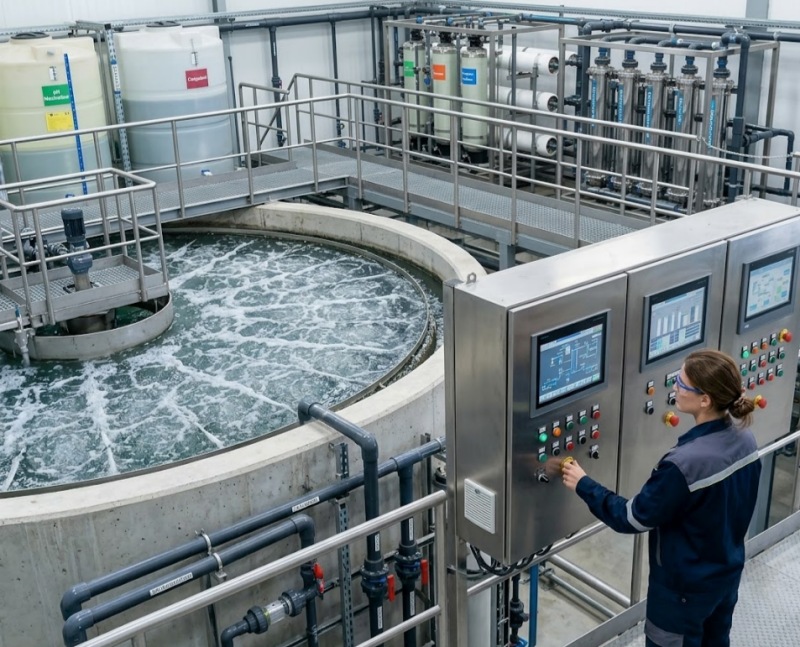
Anhydrous sodium sulfate is a key inorganic substance commonly applied in various sectors. It stands out due to its reliable chemical traits and pure form. This material plays an important part in tasks from glassmaking to water purification. In water cleaning, anhydrous sodium sulphate works as an effective drying substance. It helps eliminate extra water and keeps systems running smoothly. At BOINTE ENERGY CO., LTD, we draw on more than ten years of experience in chemical shipping. We supply dependable items like sodium sulfate anhydrous for business and eco-friendly uses. BOINTE ENERGY CO., LTD has a solid base in the China (Tianjin) Pilot Free Trade Zone. We make full use of Tianjin Port’s top-notch location benefits. With over a decade of deep knowledge in chemical exports, we have shifted from a focused chemical dealer to a full-service export business centered on energy.
What is Anhydrous Sodium Sulfate?
Anhydrous sodium sulfate (Na₂SO₄) is the water-free version of sodium sulfate. It includes two sodium particles and one sulfate particle. It looks like a white crystal solid. The substance has no smell and dissolves well in water. Its steady chemical nature fits it for different heat levels.
It serves as a flux. This role can drop the melting point of glass materials. It cuts down energy use. At the same time, it boosts the clarity and chemical stability of glass. In the paper field, it improves pulp whitening and strengthens paper. In soap making, sodium sulphate anhydrous acts as a filler. This increases product size. It also raises cleaning power. Other anhydrous sodium sulfate uses cover fabric coloring—where it aids color sticking—and drug uses like mild laxatives or edema swelling reducers.
| Glass Manufacturing | Flux | Lowers melting temperature |
| Paper Production | Bleaching enhancer | Improves whiteness |
| Detergent Industry | Filler & builder | Enhances cleaning power |
| Textile Dyeing | Dye promoter | Improves color fastness |
| Pharmaceuticals | Laxative/anti-inflammatory | Aids digestion & reduces swelling |
Melting Point of Anhydrous Sodium Sulfate
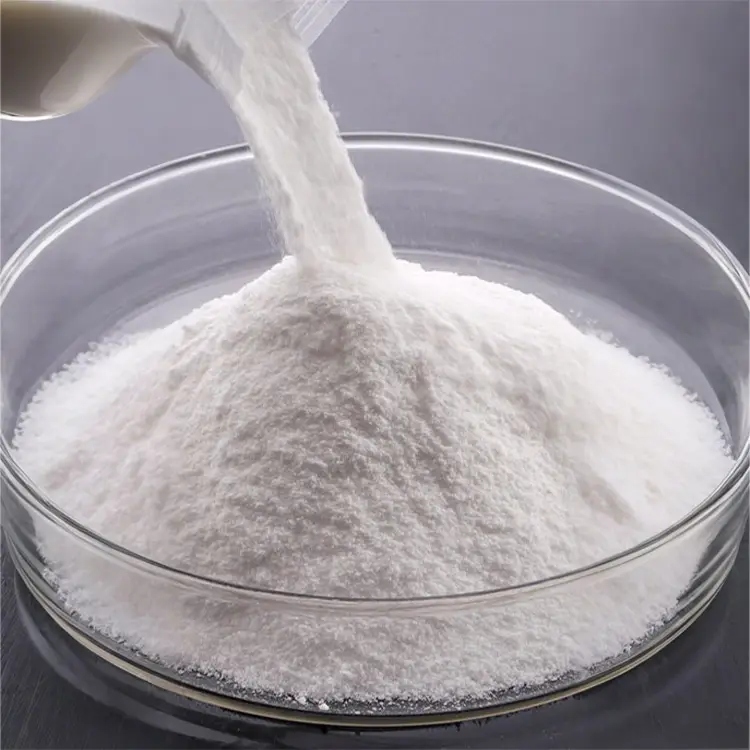
The melting point of anhydrous sodium sulfate sits at about 884°C (1623°F). This elevated melting point adds a lot to its heat resistance in factory tasks like glass creation or hot reactions. Knowing the anhydrous sodium sulfate melting point matters greatly. It shows how well it handles heat without breaking down or changing form.
In water cleaning setups, this feature makes sure that sodium sulfate anhydrous stays steady even in higher working temperatures. Thus, it performs well as part of filter materials or drying systems. These often face changing temperatures.
Anhydrous Sodium Sulfate in Water Treatment
In current water cleaning methods, anhydrous sodium sulfate mainly works as a drying substance and steadying agent. Its keen pull toward water lets it take in leftover water steam from cleaned liquids or air quite well. It can serve as a desiccant. In this way, it pulls in air dampness. It can also tweak swimming pool water quality. There, it helps steady the pH level and calcium firmness of the water.
As an anhydrous sodium sulfate drying agent, it clears out extra dampness. Without it, that could cause rust or germ growth in pipes and tanks. Plus, its neutral pH action keeps treated water at even acid levels. This proves vital for both factory cooling setups and city water lines.
On the chemical side, sodium sulphate anhydrous links with dirt by creating firm ionic ties with positive particles in dirty water. This process helps settle unwanted substances. It also makes filtering simpler.
Advantages of Using Anhydrous Sodium Sulfate in Water Treatment
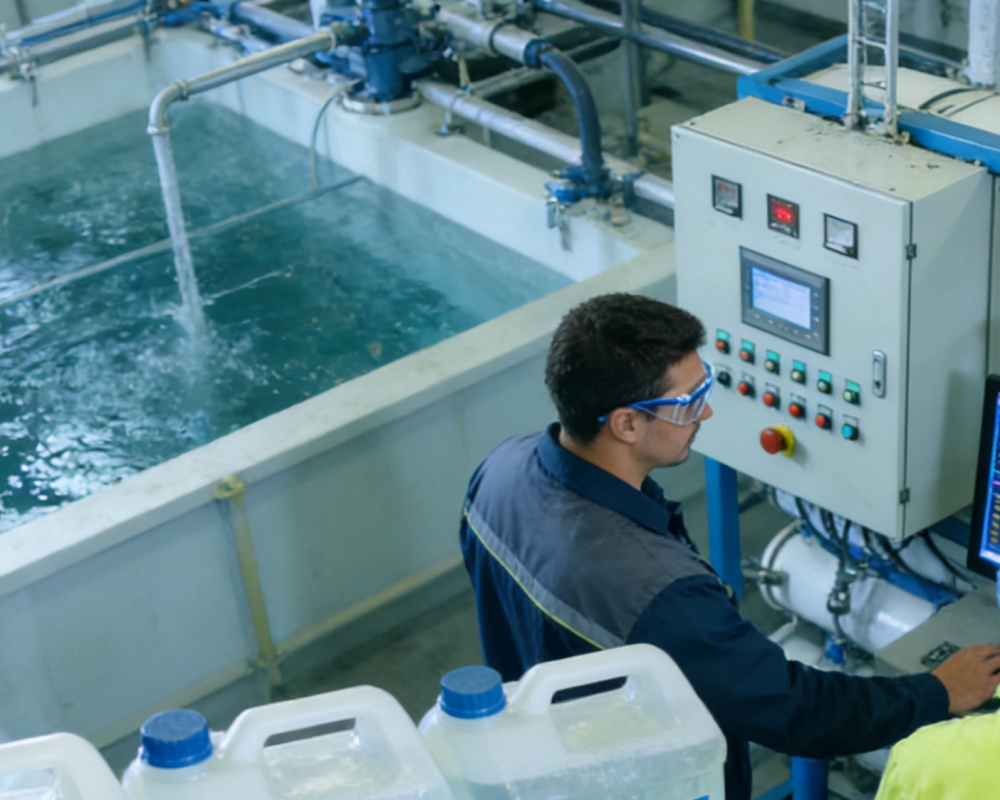
Several perks come with adding anhydrous sodium sulfate to water cleaning systems:
- Moisture Absorption:Its water-pulling quality enables quick removal of leftover dampness from cleaned liquids.
- pH Stabilization:It aids in keeping neutral settings inside cleaning units.
- Cost-Effectiveness:Thanks to its plentiful supply and cheap production cost, big setups are money-wise.
- Eco-Friendliness:As a common non-harmful mineral salt, it brings little risk to nature unlike man-made options.
- Operational Efficiency:Its heat stability guarantees steady work over different heat spans.
These gains match BOINTE ENERGY’s pledge to offer green chemical answers for business customers around the world. Over more than ten years of shipping work, we have set up a tight product check system. This ensures every shipment follows the eco and safety rules of the buying nations.
Applications Beyond Water Treatment
Outside cleaning systems, anhydrous sodium sulfate uses reach into many areas:
When mixed in during pulp work, it boosts the whitening impact on pulp. This makes paper brighter. It can also raise the toughness and bend of paper. In soaps, it works as both filler and strengthener. In fabrics, it improves dye take-up. Meanwhile, in drugs, its water-pull traits help clean the gut before operations.
Its wide-ranging nature makes sodium sulphate anhydrous essential in sectors needing trustworthy chemical basics for making or handling jobs.
Conclusion
The rising need for green chemicals shows why anhydrous sodium sulfate remains key in many fields—particularly water cleaning. With its strong heat endurance set by its 884°C melting point, solid water-pull ability, and safe-for-nature makeup, this substance keeps boosting work efficiency worldwide. At BOINTE ENERGY CO., LTD., our lasting skill promises a steady supply quality for sectors depending on solid materials like sodium sulfate anhydrous.
FAQs about Anhydrous Sodium Sulfate
What is the main function of anhydrous sodium sulfate in water treatment?
It acts as a drying agent that absorbs residual moisture from treated liquids or gases while maintaining stable pH levels within systems.
What is the melting point of anhydrous sodium sulfate?
The melting point is around 884°C (1623°F), which provides excellent heat resistance during industrial operations requiring high-temperature stability.
Is anhydrous sodium sulfate environmentally friendly?
Yes. It’s non-toxic and naturally occurring, making it safe for large-scale use without posing environmental hazards.
Can anhydrous sodium sulfate be reused after application?
Depending on contamination levels and regeneration methods such as heating or filtration, it can often be reused multiple times before replacement.
How does BOINTE ENERGY ensure quality control for exported chemicals?
BOINTE has established a stringent product compliance system to ensure that each consignment adheres to environmental and safety regulations of importing countries.