
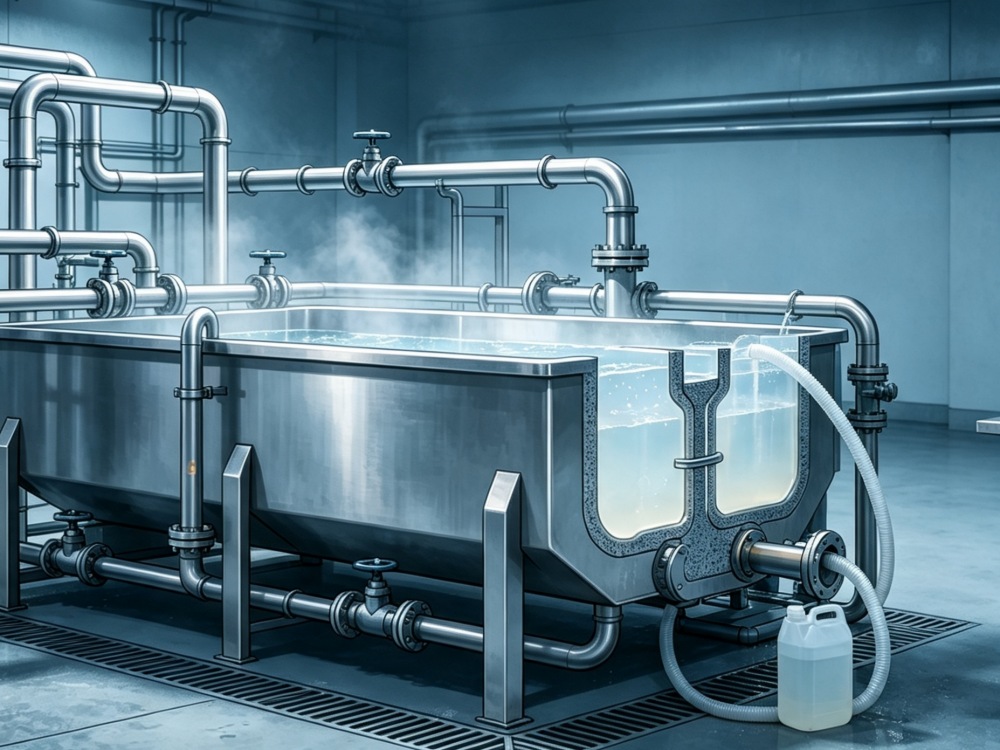
A wash tank might appear spotless. However, a stubborn greasy layer often hides around welds, valves, and dead legs. Caustic soda pearls solve this issue. They form a highly alkaline mixture. This mixture saponifies fats. It also breaks apart tough protein residues and neutralizes acidic dirt. Because of these traits, caustic soda for cleaning is very popular in managed facility systems. Still, it is not a magic solution for everything. You achieve the best outcomes by identifying the specific dirt first. Next, you must carefully balance the chemical concentration, temperature, contact duration, and fluid motion. You must also ensure material safety. This careful balance prevents unwanted rust or dangerous exposure risks.
Why Grease Behaves Differently in a Caustic Wash
Once sodium hydroxide dissolves, the water is no longer merely carrying a detergent; hydroxide ions can alter the deposit itself. Greasy films and some protein-rich soils become easier to lift and rinse. Mineral scale is a different problem. A plant that skips this distinction may spend longer circulating a stronger solution and still leave the real deposit untouched.
Saponification turns part of the grease into soap
Saponification gives the clearest answer to how does caustic soda work on oily deposits. Hydroxide reacts with triglyceride fats and oils, producing glycerol and fatty-acid salts: the same basic reaction used to make soap. Circulation then carries the changed residue away from the surface. A fresh oil film may respond readily, while an aged deposit mixed with carbon, minerals, or resin can demand a different or staged approach.
Protein and acid soils need separate expectations
Strong alkali can soften and break down some protein-rich residues, whereas acidic contamination is neutralized. That broadens the use of caustic soda in cleaning beyond grease, but it does not make the chemistry interchangeable between sites. An inorganic scale may barely respond; worse, leftover caustic can consume an acid descaler intended for the next step. Identify the soil before choosing the wash sequence.
The Recipe Lives in Four Interacting Variables
A repeatable cycle balances chemistry, temperature, time, and mechanical action. The balance explains why similar caustic soda cleaning uses behave differently in a static soak, a recirculating tank, and a spray system. More heat or movement may shorten the cycle, but each adjustment must remain within equipment, material, effluent, and worker-safety limits.
| Control variable | What it changes | If too low | If pushed too far |
| Alkalinity | Reaction with fats, proteins, and acids | Soil remains attached | Higher exposure and compatibility risk |
| Temperature | Reaction speed and soil mobility | Slow cleaning | More heat stress and faster attack on unsuitable materials |
| Contact time | Opportunity for chemistry to act | Incomplete removal | Longer downtime and unnecessary surface exposure |
| Mechanical action | Removal of loosened soil | Residue redeposits or persists | Foaming, erosion, or equipment stress may rise |
One-variable trials reveal what actually helped
A controlled trial replaces guesswork with a usable operating record. Hold the soil load, surface, flow pattern, and rinse endpoint steady, then change one variable. Note what came off, how the rinse behaved, how long the cycle took, and whether the surface or wastewater changed. Those observations explain why caustic soda is used for cleaning in that operation; a high pH alone proves nothing about the finished result.
- Identify the dominant soil and any mixed deposits before selecting the cleaner.
- Check wetted materials, seals, pumps, and instruments against the planned conditions.
- Name a measurable endpoint, such as residue removal, rinse condition, or a validated hygiene result.
- Document solution preparation, circulation, neutralization, disposal, and emergency controls in the site procedure.
The Surface Can Become the Next Thing Attacked
The same alkalinity that attacks soil can damage people and unsuitable equipment. Solid sodium hydroxide is corrosive to metals and tissue; alkaline solutions may also react with aluminum and zinc. Even stainless steel, polymers, seals, and coatings should not be treated as universally compatible across every concentration, temperature, stress, and exposure time. Check current manufacturer data, then inspect the wetted surfaces after the trial.
Pearl Form Still Has to Fit the Plant
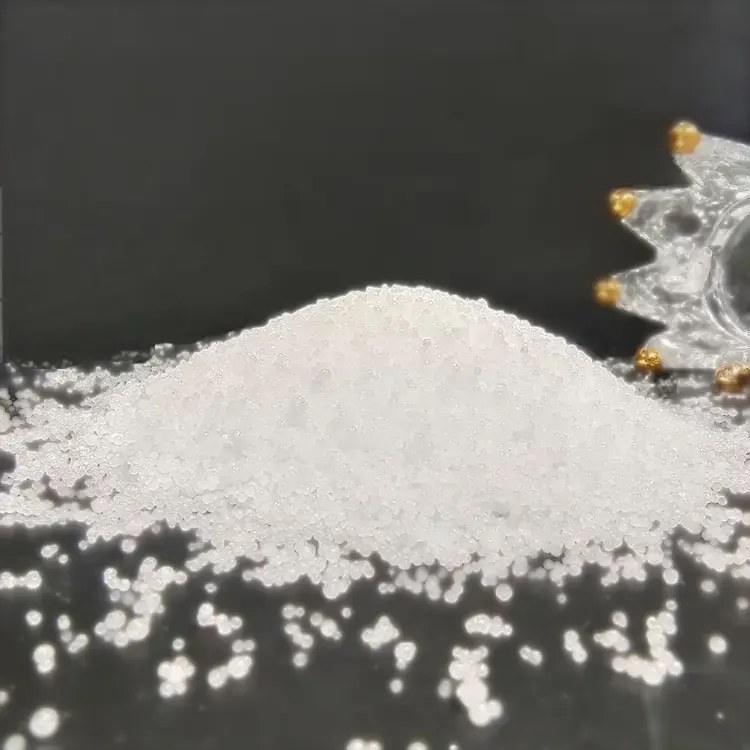
Solid pearls need dry storage, controlled transfer, and a validated dissolving system; otherwise, a suitable chemistry becomes an awkward operating choice. BOINTE supplies 99% sodium hydroxide pearls in 25 kg bags and lists soap and detergent production among its applications. For buyers assessing sodium hydroxide for industrial use, the useful next step is to match the grade and bag size with preparation equipment, the cleaning objective, and required documents.
The supplier conversation should stay grounded in the job. Share the industry, dominant soil, wetted materials, batch size, destination, documents, and packaging constraints. BOINTE can support product selection, technical coordination, and after-sales follow-up, while the plant remains responsible for validating the cleaning cycle on its own equipment.
What the Plant Should Decide
Caustic soda pearls make sense when an organic or acidic soil responds to strong alkalinity and the plant can control heat, time, movement, compatibility, and preparation. The next decision is a documented trial with a measurable endpoint, not a borrowed recipe. Mineral scale or vulnerable equipment may point to another chemistry or a staged process.
For a project-specific BOINTE supply review, provide your application, destination, required grade, package, and documentation when you contact the BOINTE team. Keep final concentration and operating parameters under your qualified process and safety owners.
FAQ (Pertanyaan umum)
Does caustic soda remove industrial grease?
Yes. Saponification can convert fats and oils into products that disperse more readily in water. Grease composition, deposit age, heat, time, and circulation still determine whether the cycle succeeds, so test it on the actual process soil.
Is caustic soda effective on mineral scale?
Not usually. Many inorganic mineral scales need another chemistry. Identify the deposit first because an alkaline stage may accomplish little and can consume an acid descaler planned for the next step.
Can caustic soda damage cleaning equipment?
Yes. Risk changes with the metal, polymer, seal, coating, concentration, temperature, and exposure time. Aluminum and zinc deserve particular caution. Check every wetted component against current manufacturer guidance before the trial.
Why does dissolving caustic soda require temperature control?
Dissolution releases heat and can raise the solution temperature quickly. That increases splash, boiling, and material risk. Use engineered mixing and the site’s written SDS-based procedure, never an improvised addition method.
What should an industrial cleaning trial record?
Record the soil, surface materials, solution preparation, temperature, time, circulation or agitation, rinse condition, cleanliness endpoint, equipment condition, wastewater handling, and any deviation. Approval should depend on repeatable results.