
A higher metal result at the wastewater outlet can send an operator straight to the dosing pump. Before increasing sodium sulfide, establish whether the problem is extra dissolved metal, weaker reagent delivery, or solids escaping the clarifier. Each needs a different response. This guide addresses industrial wastewater using sulfide precipitation for metals removal, where the next feed adjustment should follow a measured process check.
The incoming metal load sets the question
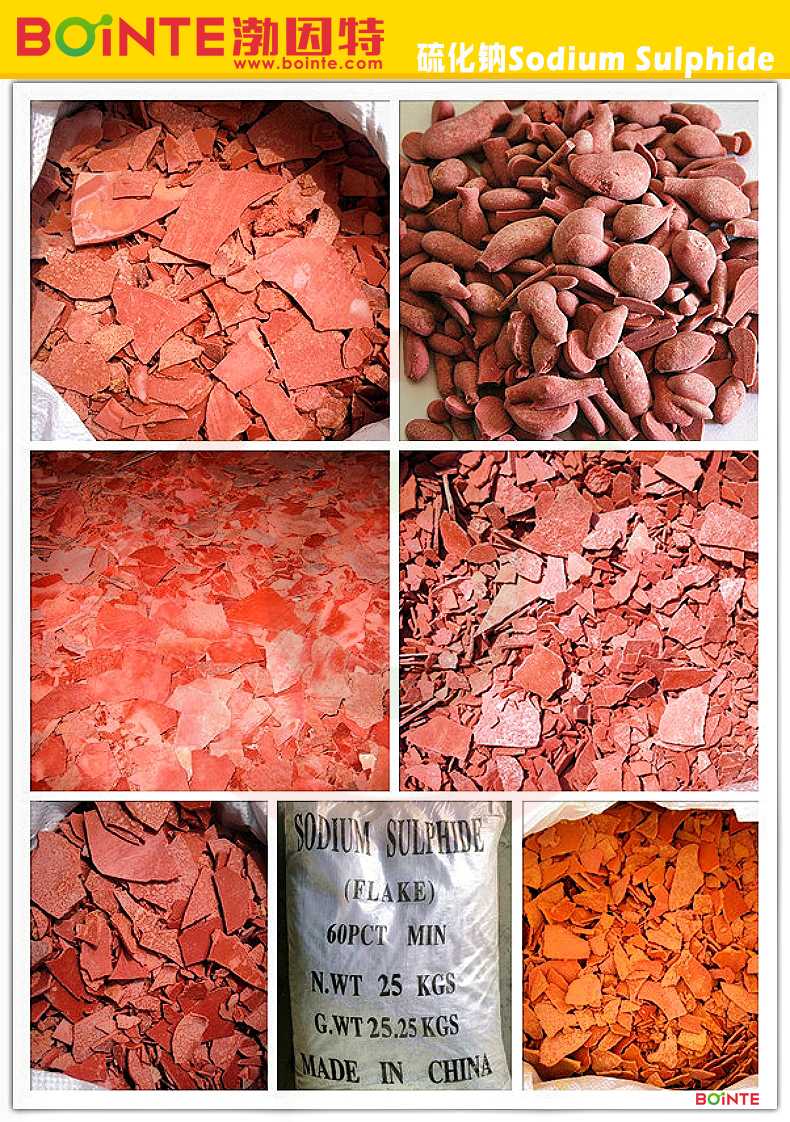
Sodium sulfide supplies sulfide that can precipitate certain dissolved metals as metal sulfides. The treatment still needs a separation step to remove those solids. A rise in outlet metals therefore does not, by itself, identify insufficient reagent.
Influent concentration and flow belong in the same investigation. As an illustrative calculation, 100 cubic metres per hour containing 10 milligrams per litre of copper carries 1 kilogram of copper per hour. Doubling the flow doubles that load even if the concentration stays constant. These figures describe incoming copper, not a recommended sodium sulfide dose.
Compare current production with the last stable operating period. Check equalisation, cleaning discharges, and changes in the metal-bearing process stream. A new chemical mixture may also alter treatment behaviour. Record which metals require control and the applicable discharge criteria before planning a trial.
The pump setting must represent actual reagent delivery
A pump dial records a setting, not verified chemical output. Check delivery using the site’s approved calibration procedure, then inspect the suction arrangement, injection point, and preparation record. A blocked line or a change in solution strength can reduce active chemical delivery while the displayed setting stays unchanged.
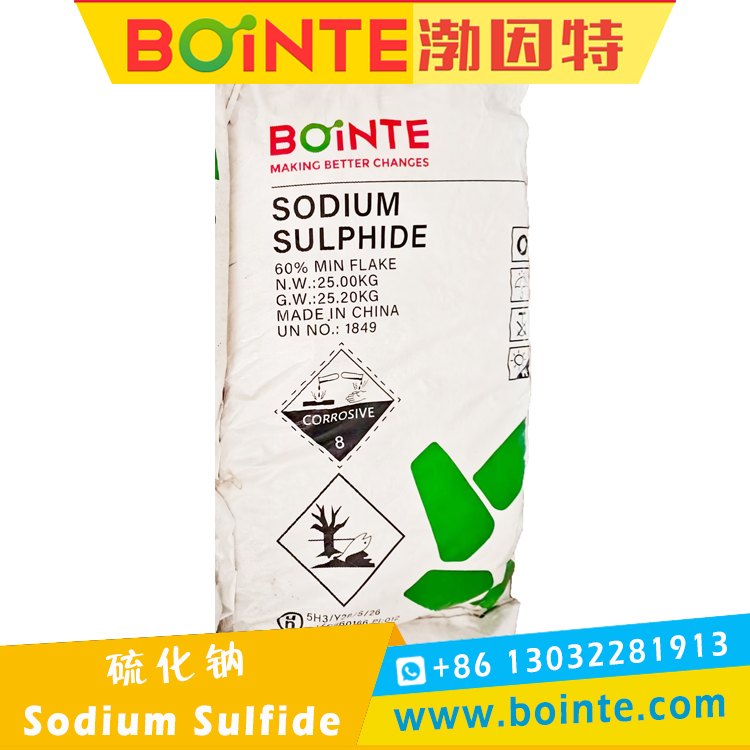
For solutions prepared from sodium sulfide flakes, record the lot assay and the final batch mass. Product mass, active Na2S mass, and solution mass are different quantities. If an illustrative solution contains 5% Na2S by mass, delivering 10 kilograms of solution per hour supplies 0.5 kilogram of Na2S per hour. This calculation is not a treatment recommendation.
Volumetric pump readings require a compatible solution-density basis before comparison with kilograms per hour. Check the preparation calculation against actual tank records. Colour alone cannot confirm either solution strength or the amount reaching the reactor.
Sample the reaction and the separation step
Matched sampling helps distinguish dissolved metal remaining in solution from metal carried out with suspended solids. Ask the laboratory to compare dissolved and total metals using the applicable methods. Record sampling locations and times so influent and effluent results reflect the process residence time.
A high total-metal result alongside lower dissolved metal can point towards solids carryover. Examine floc formation, clarifier loading, sludge withdrawal, and filtration. Increasing sulfide feed will not repair a failed solids-removal step.
Consistent sample handling matters. Follow the laboratory’s collection and preservation instructions for each analyte. Metal and sulfide samples can require different handling. Do not casually acidify a sulfide-bearing sample at the treatment tank: acid contact can release hydrogen sulfide.
Use a controlled trial to decide whether more sulfide helps
Bench testing should reproduce the relevant treatment sequence under suitable laboratory gas controls. Include the present dose as a reference and compare bounded changes approved by the process team. Keep mixing, reaction time, settling, and the separation method consistent while evaluating dose.
|
Trial observation |
Check before changing the plant feed |
|---|---|
|
Dissolved metal falls as dose rises |
Confirm repeatability and measure residual sulfide |
|
Dissolved metal barely changes |
Review wastewater chemistry, pH, reagent delivery, and analytical method |
|
Settled water contains suspended solids |
Review flocculation and solids separation |
|
Residual sulfide rises without useful metal reduction |
Reassess the trial before adding more reagent |
Measure the actual treatment endpoint rather than judging success from colour or visible precipitate. Keep records of initial and final pH, the reagent basis, contact time, dissolved metal, and residual sulfide. Change another variable in a separate trial when the dose series cannot explain the result.
A different lot or a switch to natrium sulfida serpihan merah needs the same preparation and assay checks. A product change does not establish that the wastewater requires more chemical. Compare the solutions on a stated active basis.
pH and hydrogen sulfide controls bound the adjustment
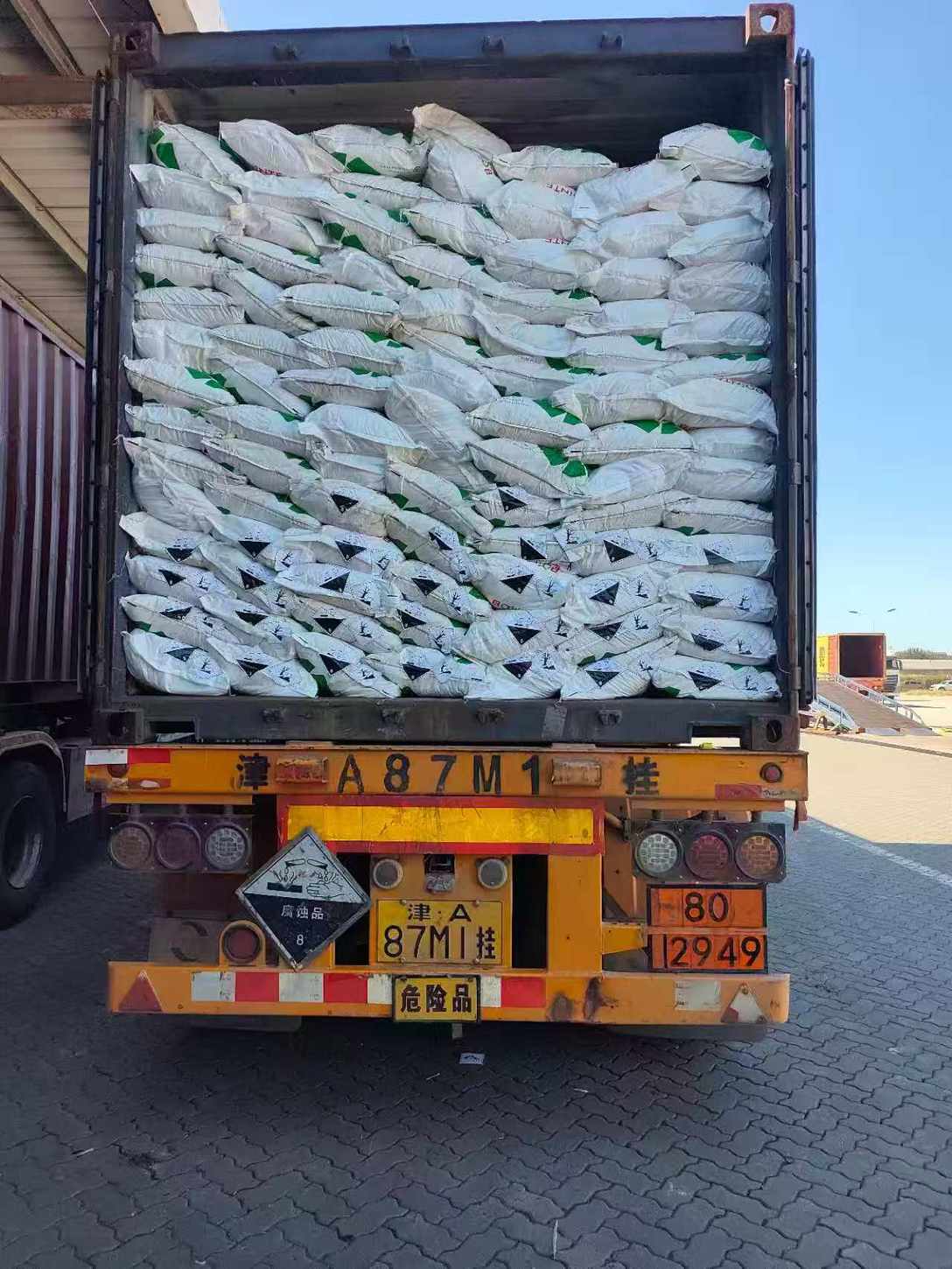
pH affects sulfide speciation and the treatment conditions. Lowering pH favours hydrogen sulfide formation, creating an inhalation hazard when gas escapes. Keep acid handling and sulfide operations under the site’s compatibility controls. A published pH value from another process cannot define a safe operating window for this tank.
NIOSH warns that the sense of smell rapidly fatigues during hydrogen sulfide exposure. Odour cannot clear a sampling point or enclosed area for work. Use the facility’s ventilation, gas monitoring, access controls, and emergency arrangements. Bench trials also require controls appropriate to potential gas release.
Liquid pH, residual sulfide, and atmospheric hydrogen sulfide answer different questions. No single reading replaces the others. Establish the permitted operating conditions and response to an abnormal result before changing the feed.
Make the adjustment traceable to a verified cause
A useful dose adjustment connects a measured metal load to verified reagent delivery and a demonstrated treatment response. Check separation performance before blaming precipitation. Confirm any revised setting under representative plant conditions and monitor the agreed metal and sulfide endpoints.
BOINTE supplies sodium sulfide for industrial applications. Share the lot reference, preparation basis, wastewater results, and trial conditions when discussing reagent performance with our team.
FAQ (Pertanyaan umum)
Is there a standard sodium sulfide dose for industrial wastewater?
No single dose covers different wastewater mixtures. Determine requirements through representative testing, the actual reagent basis, and the site’s treatment and safety limits.
Can pH alone control the sulfide feed?
pH does not measure the metal load or prove removal. A control strategy also needs suitable treatment-endpoint verification and residual sulfide management.
Should total and dissolved metal results be compared?
They can help separate a chemistry problem from solids carryover. Use the laboratory’s defined methods and interpret the results alongside the sampling location.
Can a rubber-processing dose be reused for wastewater treatment?
No. A sodium polysulfide polymerisation application involves a different reagent and reaction. Its dose, reaction time, and reported efficiency do not transfer to Na2S wastewater treatment.
Does adding more sodium sulfide always improve removal?
No. Extra reagent can leave residual sulfide without resolving poor mixing, unsuitable chemistry, or failed clarification. Establish the limiting step before increasing consumption.