
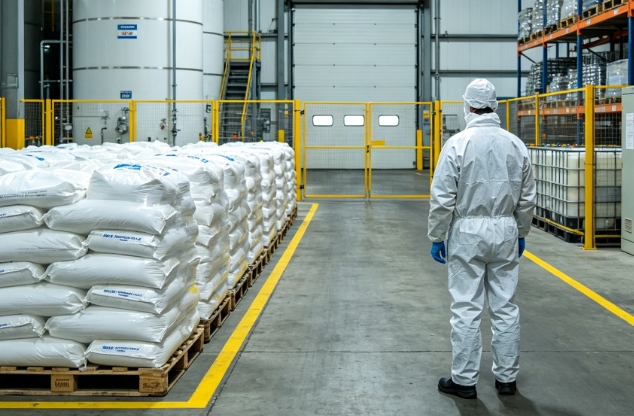
Large shipments of caustic soda pearls might lose their quality long before reaching the dosing tank. This happens when facilities treat storage and movement as minor details. The biggest dangers include daily contact with moisture and incompatible materials. Dust, broken bags, and hurried transfer tasks also cause major issues. This guide assists importers, distributors, and factory crews. It shows them how to keep 99% sodium hydroxide pearls stable and easy to identify. It also makes the receiving process much safer during bulk supply operations.
Storage Risk Begins With Moisture Control
Managing moisture is the top priority when storing sodium hydroxide pearls. Solid NaOH easily pulls water straight out of the air. Wet bags often cause the chemical to cake, crust, or dissolve on the surface. This makes accurate metering much harder later on. Receiving crews must view dry warehousing as a vital part of product quality. It is not just a simple cleaning task.
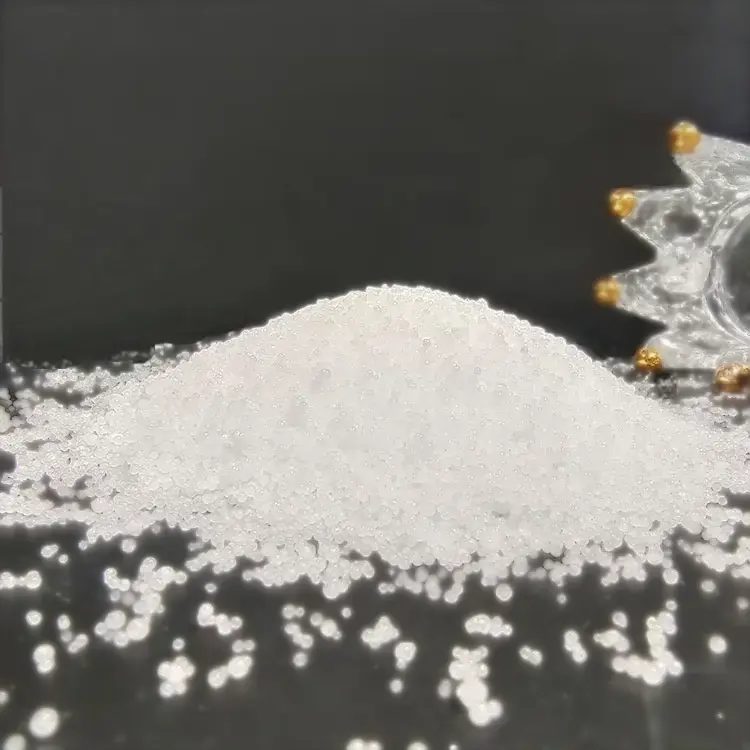
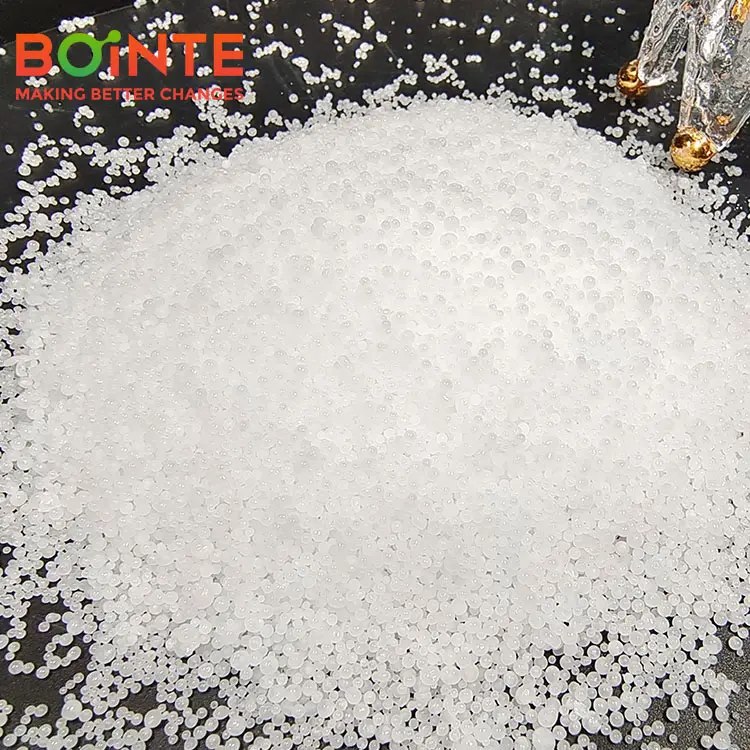
For buyers dealing with caustic soda pearls, the ideal setup is a sealed, dry, and well-ventilated space. Pallets need strong protection against rain, damp floors, and condensation. BOINTE offers sodium hydroxide pearls as a 99% product packed in 25 kg bags. Typical batch details show a white appearance and 99.05% NaOH. They also contain 0.3% sodium carbonate, 0.004% iron sesquioxide, and 0.02% sodium chloride.
Contact with water releases a massive amount of heat. Therefore, storage areas must block sudden wetting along with normal daily humidity. Solid sodium hydroxide does not burn on its own. However, mixing it with water or neutralizing it with acid creates intense heat. This heat can trigger secondary dangers. Always store the chemical far away from acids, oxidizers, and organic halogens. You must also keep it separated from reactive metals like aluminum, tin, and zinc.
Packaging and Warehouse Conditions Shape Shelf Stability
The state of the packaging offers the first clear clue about shipment safety. It shows if the cargo received proper protection during transit. Bags must arrive fully sealed and easy to read. They should have no tears, damp spots, stiff corners, or lingering chemical dust. A ruined outer bag requires immediate separation. Workers must inspect these damaged units closely before placing them into regular warehouse stock.
Receiving checks that reduce later handling problems
Receiving teams can prevent many storage problems by checking the package before the warehouse gets busy. The strongest checks are simple, repeatable, and tied to actual unloading and transfer work.
- Confirm product name, CAS number 1310-73-2, batch identity, and net bag weight.
- Look for wet pallets, punctured bags, heavy dusting, or unusual hardening.
- Keep opened or suspect bags separate from clean inventory until reviewed.
- Store bags off the floor, away from doors, drains, steam lines, and roof-leak points.
Warehouse rules for 25 kg bag inventory
Warehouse layout should support dry storage and controlled movement. Pallets should be stable, protected from impact, and arranged so older stock can be issued first. Clear aisles also lower the chance of forklift punctures and keep emergency access open.
A supplier page can help buyers align item identity before the goods arrive, and the BOINTE products catalog lists Perlas de hidróxido de sódio with CAS No. 1310-73-2, 25 kg bag packaging, and 99% type. Importers should still match delivered labels, documents, and receiving records before release.
Handling Rules for Corrosive Solid NaOH
Handling rules must reflect the fact that sodium hydroxide is corrosive to eyes, skin, and the respiratory system. Dust, fragments, and concentrated solution formed during accidental wetting can all create exposure risks. Workers should avoid direct contact and keep eyewash and quick drench capability available where the material is opened.
Dry transfer habits protect people and product
Dry transfer work should minimize dust and avoid uncontrolled contact with water. Teams should open bags carefully, use clean dry tools, and close partially used bags when operations allow. If dilution is required, follow the plant safety procedure because heat release can be intense.
Material separation prevents predictable incidents
Segregation keeps known reactions from becoming warehouse incidents. Acids, flammable liquids, incompatible organics, and certain metals should not share casual storage or transfer space with caustic soda pearls. The table below turns those hazards into receiving and warehouse controls.
| Control point | Why it matters | Practical action |
| Dry storage | NaOH absorbs moisture and can cake or dissolve. | Keep sealed bags in a cool, dry, ventilated area. |
| PPE and washing | Contact can burn skin and eyes. | Use eye and skin protection; keep eyewash access ready. |
| Incompatibles | Water, acids, metals, and some organics can react. | Separate from acids, aluminum, tin, zinc, and water sources. |
| Document match | Wrong identity weakens storage control. | Match labels, COA, SDS, and receiving records before release. |
Bulk Supply Planning Connects Safety With Continuity
Bulk supply planning works best when storage, documents, and delivery timing are considered together. BOINTE supports international buyers as a sodium hydroxide safe supplier with chemical export experience, Tianjin Port access, product selection support, and quality-control coordination. That role matters when buyers need predictable documentation, dry packaging, and practical communication before goods move.
Supply continuity should not push safety checks to the side. BOINTE supplies 99% sodium hydroxide pearls in 25 kg bags, and the chemical export background supports international market coverage and logistics coordination. Importers need a supplier that understands both the product and the handling constraints around corrosive chemicals.
Quotation preparation should include storage realities when a buyer has special receiving limits. Useful details include destination climate, unloading method, pallet rules, warehouse ventilation, expected storage duration, and whether bags will be opened for batch dosing or kept sealed for resale.
Practical Summary for Importers and Plant Teams
Safe storage of caustic soda pearls comes down to dry packaging, correct identification, chemical segregation, trained handling, and emergency readiness. Buyers should treat these controls as part of bulk supply quality because moisture damage, bag failure, and exposure incidents can disrupt production as quickly as a specification problem.
For a new order, share your destination, storage conditions, document requirements, and package expectations before shipment planning begins. You can send your storage and delivery requirements so the discussion stays tied to the way your team will receive and use the material.
FAQ
How should caustic soda pearls be stored before use?
Caustic soda pearls should be stored sealed in a cool, dry, ventilated warehouse away from moisture and incompatible materials. Keep bags off wet floors and away from doors, drains, and roof-leak areas.
Why do sodium hydroxide pearls harden during storage?
Sodium hydroxide pearls can harden when they absorb moisture from air or contact damp packaging. Surface dissolution and recrystallization can make bags crusted, compacted, and harder to dose.
What PPE is normally needed for caustic soda handling?
Workers normally need eye protection, chemical-resistant hand and body protection, and dust controls suited to the task. The exact PPE should follow the SDS, exposure assessment, and local rules.
Can caustic soda pearls be stored near acids or metals?
Caustic soda pearls should not be casually stored near acids or reactive metals such as aluminum, tin, and zinc. Separation helps avoid heat release, corrosion, and reaction hazards.
What should buyers confirm before bulk shipment?
Buyers should confirm product identity, NaOH percentage, package size, batch documentation, SDS availability, pallet expectations, and destination storage limits before shipment planning is finalized.