
A sulfur-dye bath can drift even when the recipe and product lot have not changed. If color development becomes uneven or the bath no longer behaves as expected, a prepared sodium sulfide solution that has stood exposed to air is one possible factor. It is not the only one.
The useful response is to separate solution aging from changes in water, dye preparation, temperature, and process control before adding more chemical.
What sodium sulfide does in a sulfur-dye process
Sulfur dyes are commonly prepared in a reduced, soluble form before they are applied to cellulosic fibers. Sodium sulfide can serve as a reducing agent in this preparation, helping convert the dye into a form that can enter the fiber. Subsequent oxidation develops the less-soluble colored form.
The sequence matters: reduction belongs in the dye preparation and application stage; oxidation is part of color development after application.
This distinction helps diagnose a weak bath. A fabric that develops shade poorly may reflect insufficient or inconsistent reduction, but it may also result from dye dispersion, water chemistry, temperature, circulation, or an oxidation stage that is out of balance.
Adding sodium sulfide without identifying which stage changed can leave the original problem unresolved and create excess sulfide in the process water.
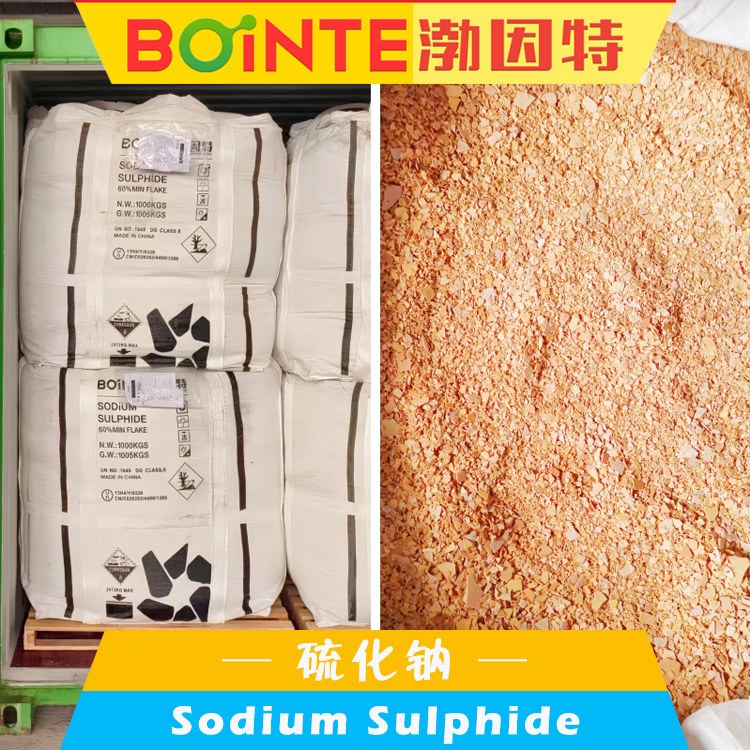
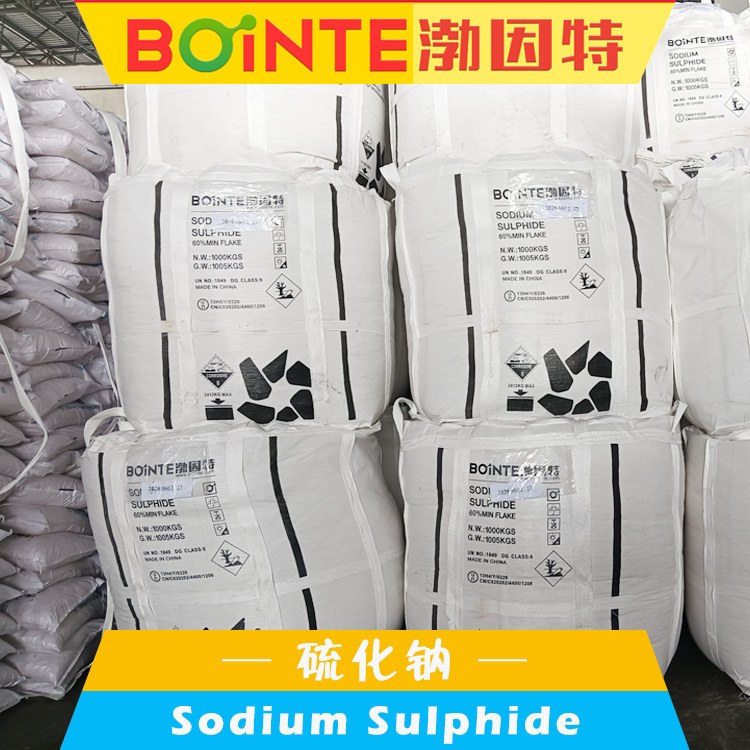
The company lists sodium sulfide yellow flakes among its industrial products and identifies dye intermediates among sodium sulfide applications. Product identity alone, however, does not establish the right bath recipe. The dye maker’s instructions and the plant’s validated process conditions should govern use.
Why a prepared solution can change before use
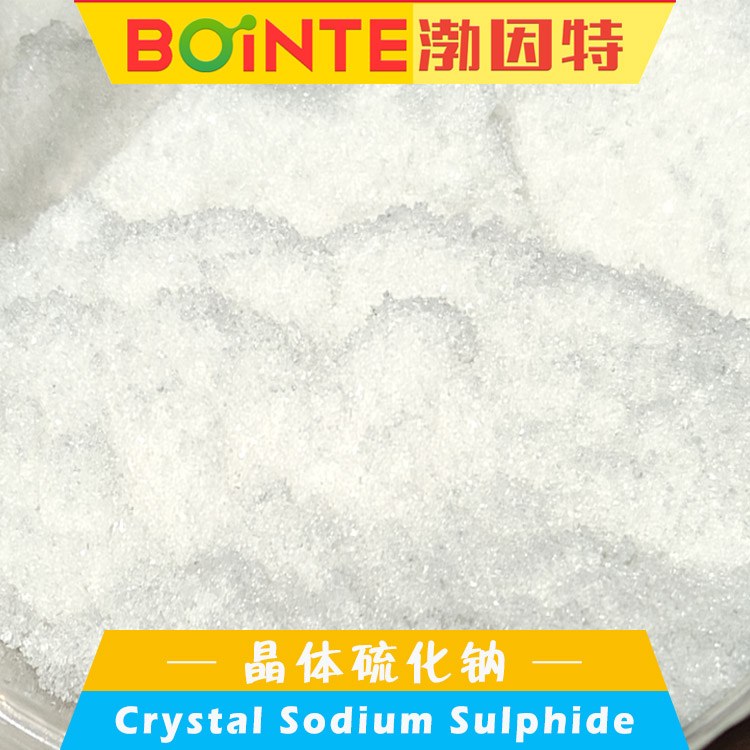
Sodium sulfide oxidation can change a prepared sodium sulfide solution before it reaches the dye bath. Dissolved sulfide can react with oxygen. A solution left in an open or poorly sealed vessel, repeatedly transferred, or held with substantial air contact may therefore differ from freshly prepared liquor.
The rate and practical impact depend on solution composition, exposure, temperature, vessel geometry, and time. A single elapsed-time rule cannot describe every plant.
Oxidation is a plausible cause when performance shifts after solution preparation or storage, especially if the make-up procedure, vessel cover, transfer route, or waiting period also changed. It should still be treated as a hypothesis to test.
Do not infer sulfide loss from color alone: dye concentration, contamination, suspended matter, and lighting can also change appearance.
A diagnostic sequence for dye-house teams
Start with the point where the process first departs from its normal result. Compare a freshly prepared bath with the stored solution using the plant’s approved analytical method. Where available, check the relevant sulfide concentration or reducing condition rather than relying on odor or visual inspection.
Use the same sampling location and procedure for each comparison, and record the time since make-up and the vessel conditions.
BOINTE identifies sodium sulfide among its industrial chemical products. For a plant investigation, retain the delivered product documents alongside the batch record.
Next, review the process variables that can imitate solution aging. Confirm the product identity and lot, water source, dye dispersion, make-up sequence, bath temperature, circulation, and time between preparation and use. Check whether cleaning or acid-containing operations could have introduced incompatible residues.
Keep samples and records for the affected and a normal batch so that a change in the chemical solution is not confused with a change elsewhere in the line.
If a controlled comparison points to solution aging, review how the plant prepares and holds the liquor. Limiting unnecessary air contact and avoiding extended, undocumented holding may improve repeatability, but any change should follow the site’s process validation and chemical-handling rules.
Do not compensate automatically by increasing the sodium sulfide charge. A larger addition can alter the reduction conditions and increase the sulfide load that later treatment must manage.
Separate bath reduction from oxidation on the fiber
Among sodium sulfide applications, sulfur dyeing makes the order of reduction and oxidation especially relevant. The word oxidation appears in two different parts of sulfur dyeing. In the make-up vessel, unwanted oxidation can consume reducing capacity before the bath is used.
On the fiber, controlled oxidation helps develop the dye’s final shade. Treating these as the same issue can lead operators to change the wrong step.
When shade development is poor, compare observations at several stages: the prepared dye liquor, the material during application, and the color after the specified oxidation and wash-off. If the liquor’s reducing condition has shifted before application, investigate make-up and holding.
If the liquor remains within the plant’s validated range but the final shade varies, review application and post-treatment controls. The diagnosis should follow the first stage where results diverge.
Safety and wastewater implications
Sodium sulfide is a hazardous alkaline chemical. Contact with acids can release toxic hydrogen sulfide gas, so keep it segregated from acids and follow the current safety data sheet and site risk assessment. Use the site’s required ventilation, personal protective equipment, gas monitoring, and emergency procedures.
Odor is not a reliable exposure alarm.
The spent bath and rinse stream also need attention. Excess sulfide should not be assumed harmless because the visible dyeing step is complete. Treatment operators should characterize the wastewater and use the facility’s approved treatment controls before discharge. Production and wastewater teams should share batch changes that affect sulfide loading.
Keep solution condition inside process control
Prepared-solution oxidation is worth investigating when dye-bath performance changes with holding or air exposure, but it is only one possible cause. Compare fresh and held samples with a consistent method, check the other process variables, and distinguish reduction before application from oxidation during color development.
That sequence gives the dye house a sound basis for correcting the process without relying on a universal extra dose.
Sık Sorulan Sorular
Does sodium sulfide solution lose reducing strength when exposed to air?
Sulfide can react with oxygen, so air exposure is a plausible contributor to a change in prepared liquor. The actual rate and process effect depend on solution and holding conditions; verify them with an approved plant method.
Should operators add more sodium sulfide when a dye bath performs poorly?
Not before checking the cause. Water, dye preparation, temperature, circulation, and post-application oxidation can also affect shade. An uncontrolled increase may create a different process problem.
Is oxidation always undesirable in sulfur dyeing?
No. Unwanted oxidation of prepared liquor before use may reduce its intended function, while controlled oxidation after application helps develop the dye color.
Can solution color show whether sulfide has oxidized?
Color by itself is not a reliable measurement. Use a consistent sampling procedure and the plant’s approved analytical or process-control method.
What safety issue deserves particular attention?
Acid contact can release toxic hydrogen sulfide. Segregation, ventilation, gas monitoring, PPE, and emergency actions should follow the current SDS and the site’s risk assessment.