A certificate of analysis must assist in releasing a shipment with confidence on the part of the buyer. It must be able to link the bag, the lot, the test and the agreement regarding specifications. With regards to sodium sulfide, the best possible reading order will be: identity, Na₂S, iron, insolubles, pH and traceability. Even a complete certificate of analysis may lack something very important if it lacks information about the test and the lot.
Start with Identity and Lot Traceability
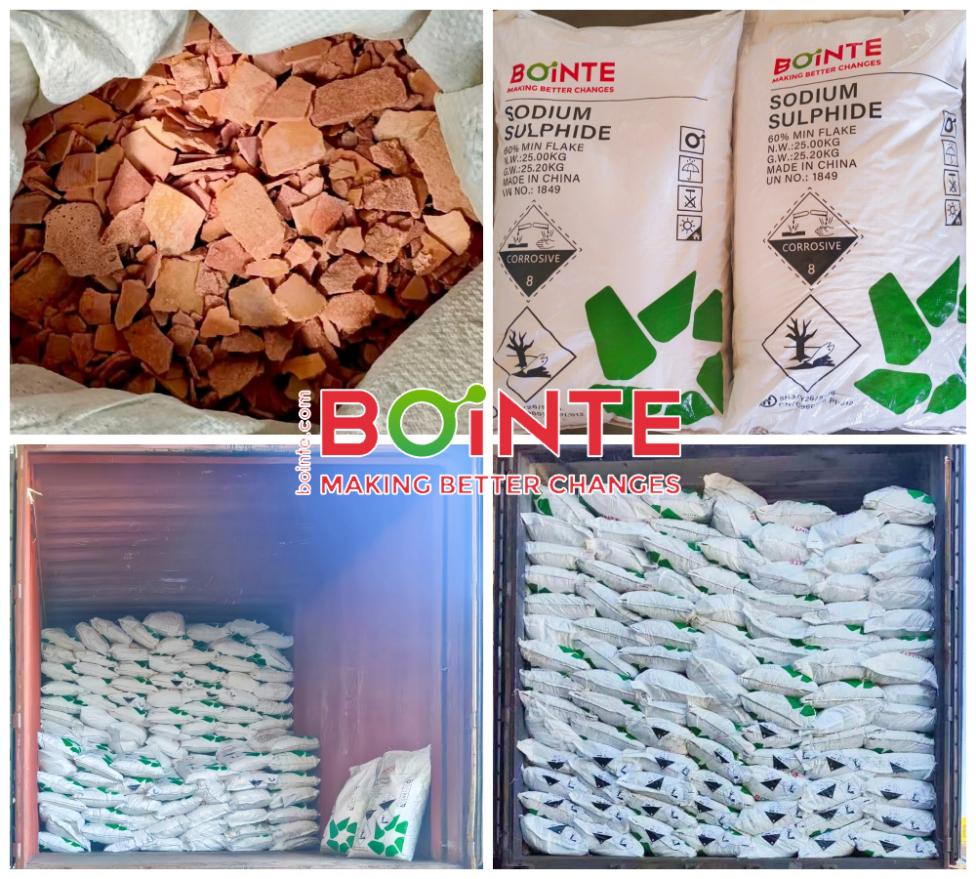
Before going into the figures, ensure that the information is relevant to the material that you have. The product name, type of material, lot number, date of manufacture/packaging, and description of the packaging should correspond to the information on the freight. In case your freight is in different packages, ensure that the lot identification information appears on all the documents/pallet information.
This first step sounds basic because it is basic. A correct result attached to the wrong lot is still the wrong receiving record. For a wholesale buyer, traceability is part of product quality, especially when the material will be distributed to more than one industrial customer.
Read the Na₂S Content with Its Basis
The project specification for BOINTE identifies sodium sulfide at 70% content. A buyer should still ask how the value is expressed. Is 70% a minimum? Is it a typical result? Is the result reported on an as-is basis, or under another calculation? Those details determine whether two supplier offers can be compared directly.
A good COA will have the output near the unit of measurement, method or basis used and also the range of acceptability. In case the certificate contains just a big percentage without any further explanation, it is best if one asks for the context first before certifying the lot. This is also the case when evaluating a tianjin leather grade Na₂S request versus that of mineral processing.
Use Iron and Insolubles to Understand Process Risk
Iron is relevant when the buyer is monitoring color or downstream contamination. Insolubles matter when the material must dissolve or react with limited residue. The sodium sulfide COA product reference should be read beside the buyer’s own acceptance limits, not treated as a substitute for them.
Place the results from two quotations in the same table. Do not compare the headline Na₂S number while ignoring different iron or insolubles limits. A lower price can represent a different commercial grade if the impurity specification, testing method or allowable range is different.
Read a pH Result Only with Its Test Conditions
The pH value is the attribute of the solution that is already prepared. Variables that may affect the values may be sample weight, water volume, temperature, mixing time, atmospheric contact, and meter. It is incorrect to compare the results of pH 12 and pH 13 as their certificates have the same number of COA.
It is necessary to provide enough information in the line about the pH to understand the way it was measured. Though the client does not need an entire laboratory essay, he/she needs to know the formula of the preparation. Thus, one will avoid the situation when two different teams do the same test on the same product.
Turn the COA into a Receiving Check
The receiving sheet can be very short. The following should be included on the sheet: lot number from the bag, number of bags, packaging condition, COA release date, Na2S, Iron, insoluble matter, and pH test procedure. A retained sample should be taken as required by the buyer’s quality control standards. In case any test exceeds the acceptable range, a note should be made of the hold and query to the
Sodium sulfide is handled as a class 8.2 alkaline corrosive hazardous good in the project requirements. That means the document pack and the physical receiving checks should travel together. Labels, closures, pallet condition, storage arrangements and the required transport documents belong in the same practical workflow.
| COA line | What it answers | What to confirm |
|---|---|---|
| Product and lot | Does this paper belong to this cargo? | Bag label, lot code and package form |
| Na₂S content | What is the commercial assay? | Minimum, typical or guaranteed basis |
| Iron | Could color or contamination be affected? | Result, unit and agreed limit |
| Insolubles | Could residue affect the process? | Method and maximum |
| pH | How did the prepared solution behave? | Concentration, temperature and method |
Why COA Questions Belong Before Quotation
BOINTE’s chemical-export operation is built around product selection, quality control and cross-border documentation. The company began chemical import and export operations in 2007, has served customers in more than 20 countries and regions, and operates from the Tianjin logistics hub. Those facts do not replace the buyer’s specification, but they make an early documentation conversation practical.
A buyer can ask for the required COA fields, the destination documents and the intended application before the final offer is issued. For a wider comparison, the red flake sodium sulfide product reference and the industrial sodium sulfide product catalog give the purchasing team a clear starting point.
A COA should leave the warehouse team with fewer questions. If it creates more, write those questions down before the shipment is released.
Chemical exports commenced for the firm in 2007 and have included mining, leather, printing and dyeing, pharmaceutical excipients, and wastewater chemicals. This diversity makes the application question pertinent: one product may be placed into very different receiving systems by the same product name.
The document pack becomes important following the lab work. Information for BOINTE’s project mentions the packaging standardization, documentation regulations, and dangerous goods handling for export chemicals. The purchaser needs to verify the destination regulations and specific batch anyway.
The COA Should Make the Decision Easier
An effective COA ties together the product, batch number, testing method, impurity limit, method of pH determination, and receipt. Follow the above sequence in reading the information and comparing the quotations according to the same sequence and leave open any unknown methods or limits for the vendor to answer.
If you need to align a sodium sulfide COA with a purchase specification, contact us with the end use, destination market and fields your quality team needs to approve.
Preguntas frecuentes
Is 70% Na₂S enough information to approve a batch?
No. Confirm the basis of the assay, iron, insolubles, pH conditions, lot identity and the agreed acceptance range.
Why does a COA need a test method?
The method explains how the result was produced and makes comparison between suppliers more meaningful.
Should pH be treated as one fixed pass number?
Only when the solution concentration, temperature and measurement method are stated. Otherwise the number lacks context.
What should a buyer do if the iron result is missing?
Keep the lot open and request the missing result or an agreed specification before release for a sensitive application.
Can the same COA serve every industry?
The document can be shared, but the acceptance limits and process checks should follow the actual end use.