

Introducción
International trade of sodium hydrosulfide has evolved from being driven by pricing to being guided by risk management. The mining industry, water treatment, and chemical production rely heavily on an uninterrupted supply of the reagents for production efficiency, regardless of minor cost considerations. Any malfunction in the supply chain affects production and income streams.
This shift is reshaping how the Mercado de hidrosulfuro de sodio is evaluated across industries, especially in copper flotation and wastewater treatment sectors where uninterrupted chemical input is essential.
Demand Structure Driven by Industrial Continuity Requirements
Mining and Copper Flotation as Core Consumption Base
The treatment of copper ore is the largest and most consistent application. The use of sodium hydrosulfide in flotation is key in separating sulfides and recovering metals. There have been increasing contracts for the procurement of sodium hydrosulfide by mining companies in South America, Africa, and Southeast Asia.
In copper flotation systems, even minor reagent inconsistency can reduce recovery rates and increase operational cost per ton. This makes procurement decisions highly dependent on supplier reliability rather than price fluctuations in the sodium hydrogen sulfide market.
Water Treatment and Environmental Compliance Demand
Industrial wastewater treatment plants require continuous dosing of sodium hydrosulfide for sulfide removal and heavy metal precipitation. Unlike batch industries, water treatment facilities operate 24/7, which increases dependency on uninterrupted reagent flow.
Regulatory pressure in Europe, the Middle East, and Asia is also tightening discharge standards, which further increases baseline demand stability.
Leather, Textile, and Dye Manufacturing Applications
Leather dehairing, sulfide dye synthesis, and textile finishing processes rely on sodium hydrosulfide for consistent reaction performance. Although these industries are more cyclical, they still require predictable chemical quality to maintain production efficiency.
Supply Chain Risk Has Become the Real Pricing Benchmark
Hazardous Chemical Logistics Complexity
Sodium hydrosulfide is classified as hazardous cargo under international maritime regulations. Transportation requires strict packaging control, corrosion-resistant containers, and compliance with IMDG and regional chemical transport codes.
Delays are common due to:
- Vessel scheduling limitations for hazardous cargo
- Port inspection procedures
- Weather-related storage restrictions
- Documentation verification cycles
These factors make logistics reliability more important than unit price in procurement decisions.
Port Congestion and Regional Bottlenecks
Global shipping routes frequently experience congestion in major hubs such as Asia–Europe and Asia–Africa corridors. For bulk chemical buyers, a 10–20 day delay can directly impact mining output or wastewater treatment continuity.
This is one of the main reasons buyers evaluate suppliers based on delivery predictability, not just product cost.
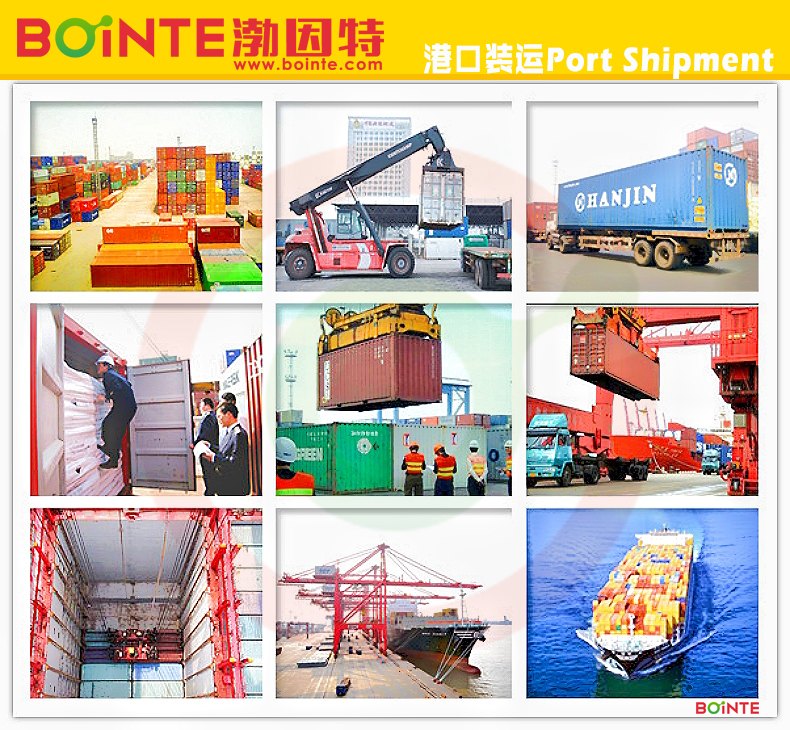
Quality Stability as a Hidden Cost Driver in Procurement
Concentration Variability Across Supply Sources
Sodium hydrosulfide is typically supplied in multiple concentration grades such as 32%, 42%, 50%, and 70%. Inconsistent concentration leads to:
- Unstable flotation performance in mining
- Overconsumption in wastewater treatment
- Reaction inefficiency in chemical synthesis
Impurity Control and Process Efficiency
Iron content and sodium sulfide impurities directly affect downstream chemical reactions. Even small variations can result in:
- Reduced metal recovery efficiency
- Increased chemical consumption rate
- Equipment scaling and maintenance issues
Quality instability is therefore a direct operational cost risk.
Industrial Buyer Behavior Shift: From Price Optimization to Supply Security
Procurement Priorities in Modern Chemical Supply Chains
| Evaluation Factor | Traditional Model | Current Market Model |
| Price sensitivity | Alto | Medium |
| Delivery reliability | Medium | Very High |
| Hazardous logistics capability | Medium | Very High |
| Quality consistency | Alto | Very High |
| Emergency supply response | Bajo | Alto |
The table clearly shows that supply reliability has become the dominant decision factor in the sodium hydrosulfide supplier selection process.
Mining Sector Demand: The Stability Anchor of the Market
Copper mining operations represent the most supply-sensitive segment in the sodium hydrosulfide market. Production lines cannot pause without significant financial losses, which makes reagent continuity essential.
Key characteristics of mining demand:
- Continuous consumption model (24/7 operation)
- Large-volume procurement cycles
- Long-term contract dependency
- High sensitivity to reagent purity and stability
This creates strong demand for suppliers with inventory-backed logistics systems.
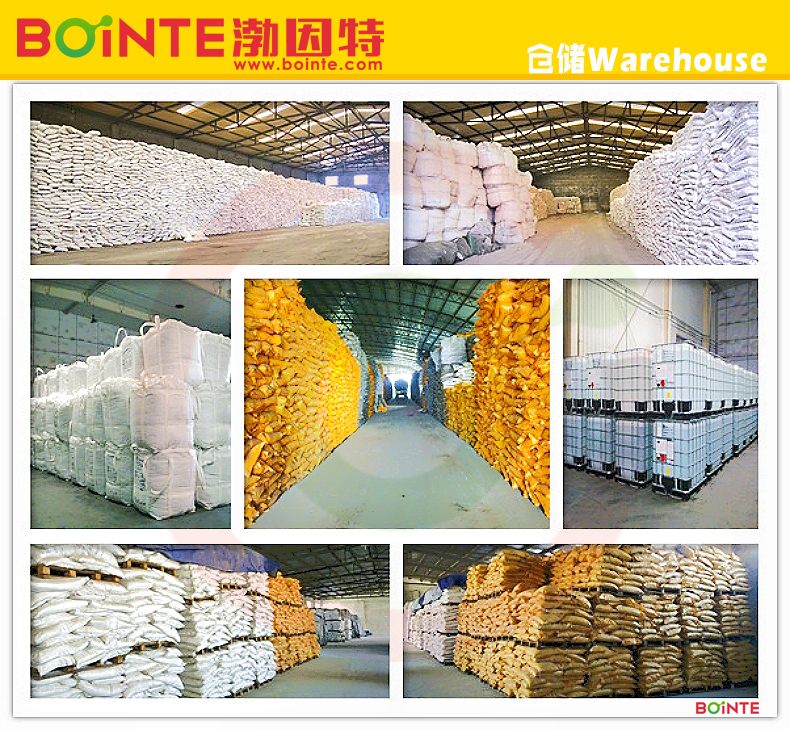
Supply Chain Architecture for Stable Delivery Assurance
Multi-Port Logistics Network Strategy
To reduce single-port dependency risks, leading suppliers operate across multiple export hubs. A diversified structure enables rerouting during congestion or disruption events, improving delivery continuity for global buyers.
Inventory Buffer System Near Export Ports
Strategic stock positioning near major ports allows:
- Faster dispatch cycles (small-batch replenishment)
- Reduced customer inventory pressure
- Emergency order fulfillment capability
This model is particularly important for mining and industrial water treatment clients.
Compliance-Driven Export Management
In international trade, compliance is not optional. Suppliers must align with:
- EU REACH chemical regulations
- US EPA import requirements
- Southeast Asia SGS inspection standards
- IMDG hazardous goods classification rules
BOINTE maintains structured compliance systems across these frameworks, ensuring stable cross-border operations for chemical exports .
BOINTE Supply Capability in Global Chemical Logistics
We operate within a long-established chemical export network supported by Tianjin Port logistics infrastructure. Over years of industrial supply experience, we have built integrated systems covering procurement, compliance, warehousing, and hazardous goods transportation.
Our supply framework focuses on three stability pillars:
- Consistent product concentration control across multiple NaHS grades
- Multi-port shipping coordination for global delivery resilience
- Regional inventory planning for mining and water treatment clients
We supply industrial users across mining, dyeing, leather, and wastewater treatment sectors, with a strong focus on copper flotation applications and continuous industrial consumption models .
If your operation requires stable supply planning, you can request technical consultation or quotation support directly through our supply team.
Market Outlook: Supply Stability Will Define Future Competition
Structural Growth in Mining and Environmental Sectors
Copper demand growth and stricter environmental regulations are reinforcing long-term consumption stability. This ensures continuous baseline demand for sodium hydrosulfide across industrial sectors.
Regional Shift in Supply Chain Dependence
Import-dependent regions such as North America and parts of Africa are increasingly relying on external suppliers due to limited local production capacity, further emphasizing logistics reliability.
Supplier Selection Will Be Risk-Based, Not Price-Based
Future procurement decisions will prioritize:
- Supply continuity under disruption scenarios
- Multi-route logistics capability
- Technical support for application optimization
- Emergency response availability
Conclusion: Supply Security Defines Real Market Value
The evolution of the sodium hydrogen sulfide market shows a clear transition from cost competition to operational risk management. For industrial users, production continuity is more valuable than marginal pricing advantages.
In this environment, the role of a proveedor de hidrosulfuro de sodio is no longer limited to product delivery. It extends to supply chain assurance, logistics resilience, and quality stability across global industrial systems.
If you are evaluating supply stability in the sodium hydrosulfide market, BOINTE provides consistent production, multi-port logistics, and compliant hazardous chemical delivery. Contact BOINTE today to request a quotation, check stock availability, or optimize your supply chain planning with our technical support team.
Preguntas frecuentes
What factors determine sodium hydrosulfide pricing in international trade?
Pricing is influenced by raw material costs, concentration grade, logistics complexity, packaging type, and hazardous cargo handling requirements rather than only production cost.
How can buyers reduce supply disruption risk?
Buyers typically adopt multi-supplier strategies, maintain safety stock, and select suppliers with multi-port logistics networks and regional warehousing capability.
What should buyers evaluate when selecting a supplier?
Key factors include compliance capability, logistics reliability, inventory availability, quality stability, and emergency supply response time.